
Unprecedented military escalation between Tehran and Tel Aviv
The Middle East witnessed a dangerous military escalation in recent hours, with Tehran and Tel Aviv exchanging direct strikes in a development reflecting the depth of regional tensions. In the latest developments concerning Israeli strikes in Iran, Iranian authorities announced they had intercepted an aerial attack, while the Israeli military confirmed carrying out precise operations targeting sensitive military infrastructure inside Iranian territory.
Iran's Revolutionary Guard announces it hit an Israeli fighter jet
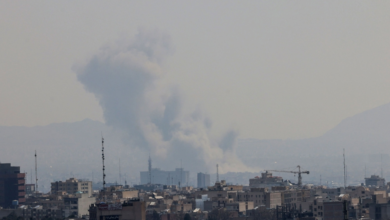
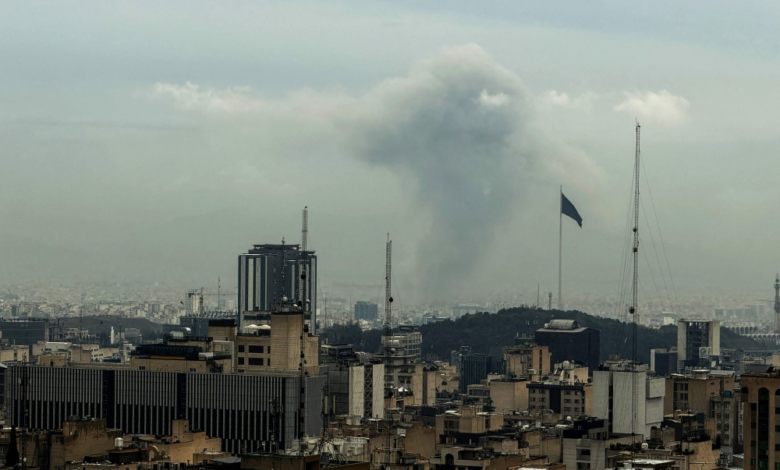
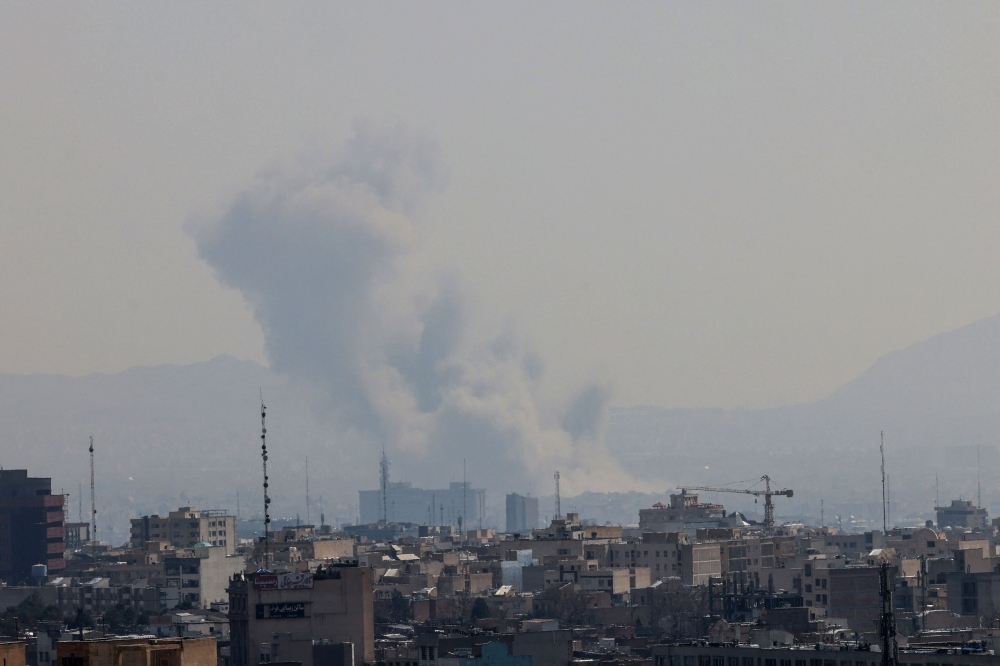
Early Saturday morning, Iran's Islamic Revolutionary Guard Corps (IRGC) announced that its air defenses had shot down an Israeli F-16 fighter jet flying over central Iran. An official statement published on the IRGC's Sepah News website stated that the enemy aircraft belonging to the Israeli regime was hit at 3:45 a.m. Tehran time. Simultaneously, Iranian media outlets circulated images showing plumes of smoke rising over Tehran and other areas, suggesting the possibility of another aircraft being hit, without specifying its identity or affiliation, whether Israeli or American.
In contrast, the Israeli military had previously acknowledged that one of its aircraft was targeted. An army spokesperson stated that a surface-to-air missile was fired at an Israeli aircraft during what he described as "operational activity" in Iranian airspace. Despite confirming the missile launch, the Israeli military emphasized that the aircraft sustained no damage and returned safely to its base, without disclosing the type of aircraft used in the operation.
Details of Israeli strikes on ballistic missile production sites
Meanwhile, in a parallel escalation, the Israeli military officially announced on Saturday morning that it had launched a series of intensive airstrikes overnight targeting the Iranian capital, Tehran, and its surrounding areas. These Israeli strikes in Iran focused primarily on ballistic missile production sites belonging to the Iranian Revolutionary Guard, marking the twenty-second day of the broader military escalation in the Middle East.
The Israeli military statement explained that the air force had carried out a wide-ranging series of airstrikes targeting dozens of military sites. The statement added that precision strikes targeted facilities used to produce vital components for the development of ballistic missiles, missiles that Israel and its allies accuse Tehran of using to threaten regional security and supplying to its proxies in the region.
General context and historical background of the Iranian-Israeli conflict
This latest escalation cannot be understood in isolation from the broader context and historical background of the protracted conflict between Iran and Israel. For decades, the two sides have engaged in what is known as a “shadow war,” which has included reciprocal cyberattacks, operations targeting Iranian nuclear facilities and military leaders, as well as attacks on commercial vessels in territorial and international waters. Israel considers Iran’s nuclear program and ballistic missile development its greatest existential threat, while Iran supports armed factions in the region within what it calls the “axis of resistance.” This conflict has recently shifted from covert operations to direct and open military confrontations, representing a dangerous strategic shift in the rules of engagement between the two countries.
The importance of the event and its expected regional and international impact
This military development carries significant weight and potential repercussions on several levels. Domestically, the leadership in both countries seeks to demonstrate its deterrent capabilities and reassure its home front amidst unprecedented political and security pressures. Regionally, the expansion of direct strikes threatens to escalate tensions across the entire Middle East, potentially impacting the security of neighboring states and strategic maritime traffic. Internationally, these tensions are causing considerable concern among major powers, given their potential impact on global energy markets and oil supplies, as well as fears of the region sliding into a wider military confrontation that could necessitate international intervention to protect strategic interests in the region.