Israeli strikes on Iran disrupt missile production and escalate regional tensions

Security developments: Israeli strikes on Iran
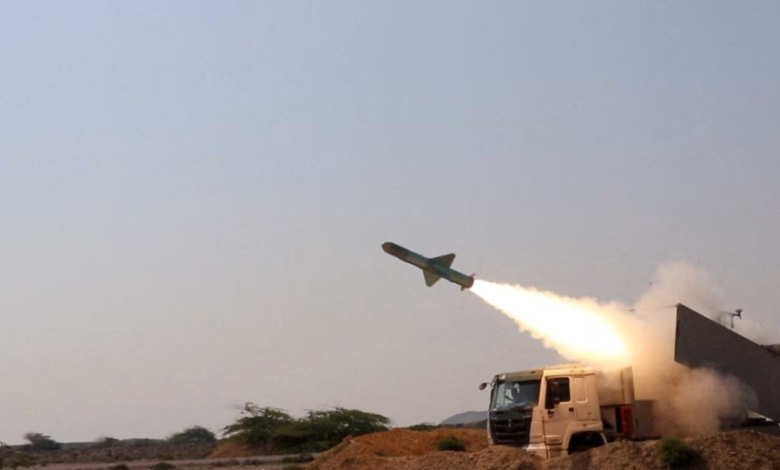
In a significant security and military development reflecting the escalating tensions in the Middle East, a senior Israeli official revealed that recent military strikes targeting sites inside Iran have been highly successful in disrupting the supply lines of essential components needed for the production of ballistic and guided missiles. These statements, reported by Al-Arabiya, confirm the continuation of Israel's strategy aimed at curtailing Iranian military capabilities. In a related development, Iranian state media had previously reported that Iranian air defense systems were activated to counter aerial attacks and hostile targets in the skies over Tehran, indicating a significant security and military breach.
The historical context of the shadow war between Israel and Iran
Historically, these strikes are not isolated events, but rather the latest chapter in a long-running "shadow war" between Israel and Iran. Over the past years, Israel has focused its intelligence and military operations on targeting the infrastructure of Iran's nuclear program, as well as drone assembly plants and precision missile development facilities. This strategy aims to prevent Tehran from acquiring a sophisticated arsenal that could threaten Israeli national security, or from transferring such weapons to Iran's allies and affiliated armed groups in the region. This explains the intense focus on disrupting military supply chains.
Targeting Qatar Energy's gas facilities
On another front, in a dangerous development that widens the scope of the conflict and its economic repercussions, the state-owned Qatar Energy announced that its key facilities were targeted by new missile attacks on Thursday. The company confirmed in an official statement that these attacks targeted vital liquefied natural gas (LNG) facilities, resulting in massive fires and significant damage to infrastructure. The statement explained that “early Thursday morning, a number of LNG facilities were attacked by missiles, causing fires and further significant damage,” which represents a direct threat to the region’s energy security.
Regional and international impacts of the escalation
This dual escalation carries significant implications at both the regional and international levels. Militarily, disrupting Iranian missile production will inevitably affect Tehran's ability to supply its allies with strategic weapons, potentially altering the balance of power in regional conflicts. Economically and internationally, targeting Qatar Energy's gas facilities sends a worrying message to global energy markets. Qatar is one of the world's largest exporters of liquefied natural gas, and any disruption to its supplies could lead to sharp fluctuations in global energy prices, especially given the current geopolitical crises affecting European and Asian markets.
The future of tensions in the Middle East
In conclusion, this complex situation presents the international community with unprecedented challenges. The convergence of attacks on Iranian military capabilities and energy infrastructure threatens to plunge the region into a full-blown confrontation that could prove difficult to contain. Reliance remains on international and regional diplomatic efforts to de-escalate the situation, while the parties involved continue to demonstrate their military might and launch preemptive and retaliatory strikes that are reshaping the security and economic landscape of the entire Middle East.