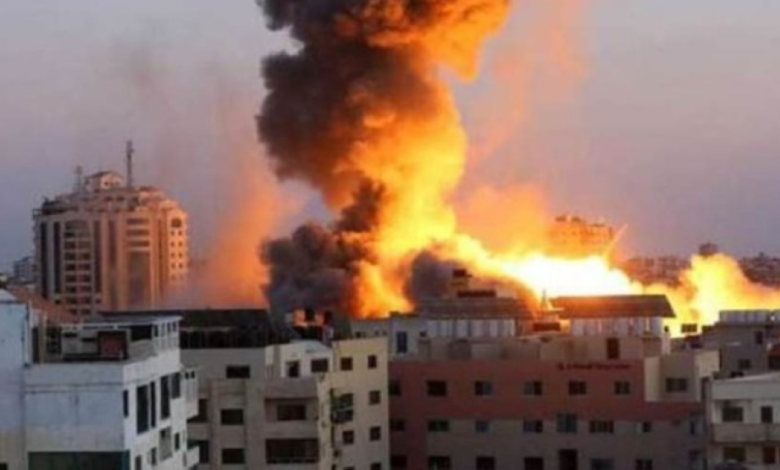

تطورات أمنية خطيرة: ضربات في إيران
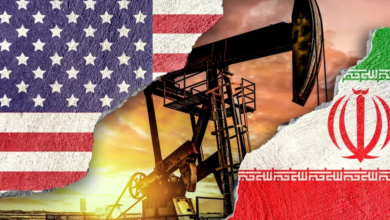
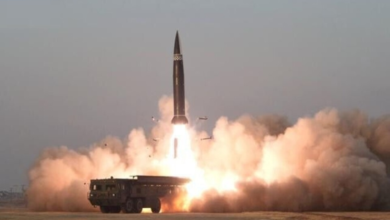
شهدت الساحة الإيرانية تطوراً أمنياً وعسكرياً بالغ الخطورة، حيث أعلنت مصادر رسمية عن مقتل خمسة أشخاص إثر ضربات جوية وُصفت بأنها أمريكية وإسرائيلية، استهدفت مواقع حساسة للصناعات البتروكيميائية في جنوب غرب البلاد. هذا التصعيد يفتح باباً جديداً من التوترات في منطقة الشرق الأوسط التي تعاني أساساً من صراعات معقدة.
تفاصيل الهجوم على المنشآت البتروكيميائية
بحسب التصريحات التي أدلى بها مسؤول إيراني كبير، تركز الهجوم بشكل رئيسي على شركات حيوية تقع داخل المنطقة الاقتصادية الخاصة للبتروكيميائيات في مدينة “ماهشهر” التابعة لمحافظة خوزستان. تُعد هذه المنطقة الشريان الاقتصادي الأبرز لإيران في مجال البتروكيميائيات، واستهدافها يمثل ضربة مباشرة للبنية التحتية الاقتصادية. ولم يقتصر الأمر على الجنوب، بل امتدت التوترات لتشمل العاصمة، حيث أفادت وسائل إعلام إيرانية بوقوع انفجارات عنيفة هزت المربعات الصناعية والأمنية في شرق طهران.
تحليق المقاتلات واتساع رقعة الاستهداف
تزامناً مع الانفجارات في طهران وماهشهر، سُجل تحليق مكثف للمقاتلات الحربية في أجواء مدن استراتيجية أخرى، أبرزها شيراز، وبوشهر التي تضم محطة طاقة نووية حيوية، بالإضافة إلى مناطق مختلفة من محافظة أصفهان التي تُعرف باحتضانها لمنشآت عسكرية ونووية حساسة. هذا الانتشار الواسع للعمليات يشير إلى هجوم منسق يهدف إلى شل قدرات متعددة في وقت واحد، ويثير تساؤلات حول مدى اختراق الأجواء الإيرانية.
السياق العام والخلفية التاريخية للحدث
تأتي هذه الضربات في سياق “حرب الظل” المستمرة منذ سنوات بين إيران من جهة، وإسرائيل والولايات المتحدة من جهة أخرى. تاريخياً، تعرضت المنشآت الإيرانية، سواء النووية أو العسكرية أو الصناعية، لسلسلة من الهجمات السيبرانية وعمليات التخريب والاغتيالات التي طالت علماء وقادة عسكريين. وتتزايد وتيرة هذه الأحداث عادة مع تصاعد التوترات الإقليمية، خاصة في ظل الأزمات الحالية التي تعصف بالشرق الأوسط، ومحاولات القوى الغربية تحجيم النفوذ الإيراني وبرنامجها النووي والصاروخي.
أهمية الحدث وتأثيره المتوقع محلياً ودولياً
على الصعيد المحلي، يشكل استهداف قطاع البتروكيميائيات ضربة موجعة للاقتصاد الإيراني الذي يعاني بالفعل تحت وطأة العقوبات الدولية القاسية. هذا القطاع يُعد مصدراً رئيسياً للعملة الصعبة، وأي تعطيل له سيؤثر بشكل مباشر على الداخل الإيراني.
إقليمياً ودولياً، يُنذر هذا التطور بتصعيد خطير قد يجر المنطقة إلى مواجهة مفتوحة. كما أن استهداف مناطق قريبة من ممرات الطاقة العالمية يثير مخاوف الأسواق العالمية، مما قد يؤدي إلى تقلبات حادة في أسعار النفط والطاقة. إن تكرار مثل هذه الضربات يعيد رسم قواعد الاشتباك في المنطقة، ويضع المجتمع الدولي أمام تحديات أمنية واقتصادية غير مسبوقة.