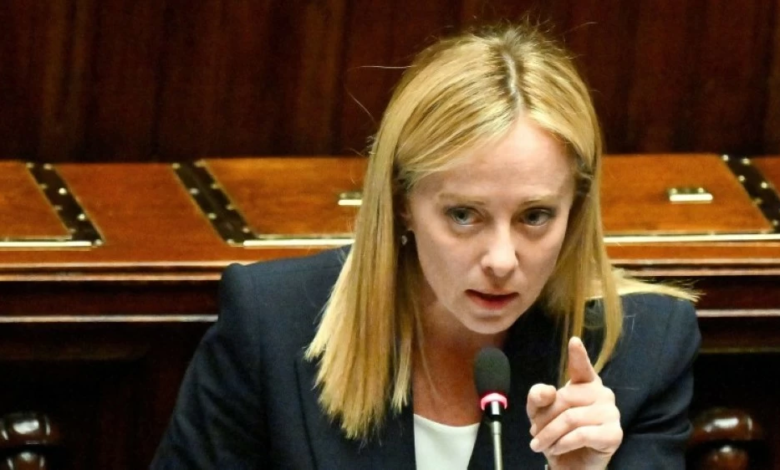

في خطوة تعكس توجهاً أوروبياً جديداً نحو تعزيز الشراكة مع القارة السمراء، أعلنت رئيسة الوزراء الإيطالية، جورجا ميلوني، عن مبادرة اقتصادية هامة تهدف إلى تخفيف الأعباء المالية عن الدول الأفريقية. وكشفت ميلوني خلال ختام القمة الإيطالية-الأفريقية الثانية التي عقدت في العاصمة الإثيوبية أديس أبابا، أن روما وشركاءها الأفارقة وضعوا قضية الديون على رأس أولويات المحادثات، مقدمين حلولاً مبتكرة تربط بين الالتزامات المالية والتحديات البيئية.
تفاصيل المبادرة الإيطالية: تعليق الديون مقابل الكوارث
أوضحت ميلوني أن المقترح الإيطالي يتضمن إدراج بنود خاصة في عقود الإقراض تسمح للدول المقترضة بـ «تعليق سداد الديون» بشكل مؤقت في حال تعرضها لأحداث مناخية متطرفة، مثل الفيضانات العارمة أو موجات الجفاف القاسية. وتأتي هذه الخطوة استجابة للواقع المرير الذي تعيشه العديد من الدول الأفريقية التي تجد نفسها مضطرة للاختيار بين سداد فوائد الديون أو تمويل عمليات الإغاثة وإعادة الإعمار بعد الكوارث الطبيعية.
وأضافت رئيسة الوزراء: «ركزنا اليوم مرة أخرى على قضية محورية بالنسبة لأفريقيا، وهي الديون. لقد أطلقنا مبادرة واسعة النطاق لتحويل الديون لمشاريع تنموية مشتركة، ونضيف إلى ذلك بنوداً لتعليق السداد للدول المتضررة من الظواهر المناخية المتطرفة».
السياق الاقتصادي والبيئي: فخ الديون والمناخ
تكتسب هذه المبادرة أهمية قصوى عند النظر إلى السياق العام للاقتصاد الأفريقي. فوفقاً لتقارير المؤسسات المالية الدولية، تعاني العديد من الدول الأفريقية من أزمة مديونية خانقة تلتهم جزءاً كبيراً من ناتجها المحلي الإجمالي، مما يعيق قدرتها على الاستثمار في البنية التحتية أو التعليم والصحة. وتتفاقم هذه الأزمة مع التغير المناخي؛ فعلى الرغم من أن أفريقيا تساهم بأقل من 4% من الانبعاثات الكربونية العالمية، إلا أنها القارة الأكثر تضرراً من تداعيات الاحتباس الحراري.
وتعد آلية «مبادلة الديون بالتنمية» أو تعليقها وقت الأزمات، التي أشارت إليها ميلوني، واحدة من الأدوات المالية التي طالبت بها دول الجنوب العالمي في محافل دولية سابقة، مثل مؤتمرات المناخ (COP) واجتماعات البنك الدولي، لضمان عدالة مناخية تتيح للدول النامية مساحة مالية للتنفس.
الأبعاد الاستراتيجية: خطة ماتي والعلاقات الدولية
لا يمكن فصل هذا الإعلان عن الاستراتيجية الإيطالية الأوسع المعروفة باسم «خطة ماتي» لأفريقيا. تسعى روما من خلال هذه التحركات إلى تحويل إيطاليا لمركز لتدفقات الطاقة من أفريقيا إلى أوروبا، وفي الوقت نفسه معالجة الأسباب الجذرية للهجرة غير الشرعية من خلال دعم التنمية الاقتصادية في دول المصدر.
ومن المتوقع أن يكون لهذه الخطوة صدى إيجابي واسع، حيث قد تشجع دولاً دائنة أخرى في مجموعة السبع (G7) ونادي باريس على تبني سياسات مماثلة، مما يساهم في إعادة هيكلة النظام المالي العالمي ليكون أكثر مرونة في مواجهة الأزمات المركبة التي تعصف بالاقتصادات الناشئة.