
In a dramatic escalation reflecting the scale of geopolitical tensions in the Middle East, former US President Donald Trump continued his fiery rhetoric, threatening Iran with a devastating military attack aimed at crippling its infrastructure and destroying essential services. Trump vowed to destroy all of Iran's civilian infrastructure, threatening to blow up vital bridges and power plants within just four hours unless an agreement is reached that satisfies the ambitions of the US administration. He also indicated that the current ceasefire proposal on the negotiating table is not sufficient.
The historical context of US-Iranian tensions
These statements come within a long history of hostility and tension between Washington and Tehran, which reached its peak during the previous Trump administration when the United States unilaterally withdrew from the nuclear agreement (the Joint Comprehensive Plan of Action) in 2018. Since then, the US administration has pursued a policy of “maximum pressure,” which has included crippling economic sanctions targeting Iran’s oil and banking sectors. This legacy of escalation makes the current threats an extension of a hardline policy aimed at forcing Tehran to make major political and military concessions.
Details of the military plan and the direct threat
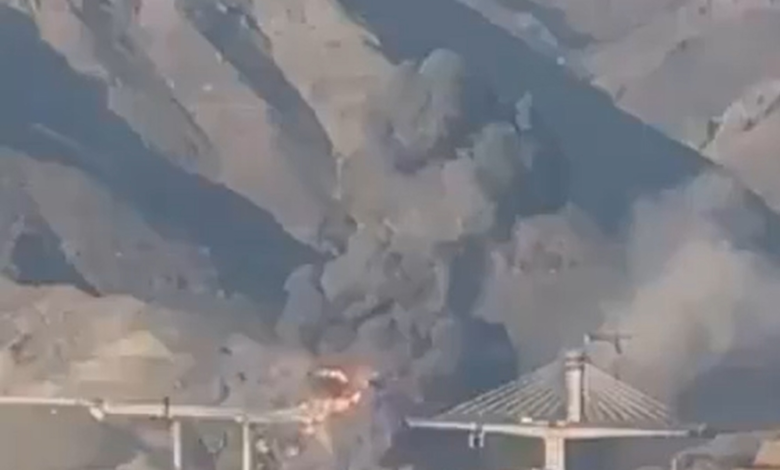
In a blunt statement on Monday, the US president declared: “We have a plan, thanks to the power of our armed forces, to destroy all of Iran’s bridges by midnight tomorrow and render all of Iran’s power plants inoperable.” He added during a press conference to underline his position: “All of this can be done within four hours if we choose to do it.” This direct threat reflects a military deterrence strategy that relies on the rapid projection of destructive power.
The mediators' proposal and Tehran's position
On the diplomatic front, US media reported on Monday that Pakistan, Turkey, and Egypt, acting as intermediaries between Tehran and Washington, had put forward a ceasefire proposal. Trump had previously described the proposal as a significant step, but later asserted that it was not good enough to meet US demands, adding that the mediators were "negotiating now, and we'll see what happens.".
In response, Tehran was quick to reply to these threats. The Iranian news agency ISNA quoted Iranian military spokesman Mohammad Akrami Nia as saying that Tehran would continue the war as long as political leaders deemed it appropriate. This statement reflects Iran's doctrine of not yielding to overt threats and relying on a strategy of strategic patience and counter-deterrence.
International repercussions and violation of international law
At the international and humanitarian level, these threats have raised serious concerns. The president of the International Committee of the Red Cross, Mirjana Spoljarek, condemned on Monday the “deliberate targeting” of civilian infrastructure in the Middle East. She emphasized that waging war without restraint and targeting civilian resources is a clear violation of international humanitarian law and the Geneva Conventions, which prohibit targeting facilities essential for the survival of the civilian population, such as power plants and water networks.
Expected impact at the regional and international levels
are expected to cast Trump's threats against Iran a long shadow over global markets, particularly energy markets, as any hint of military action in the Arabian Gulf and the Strait of Hormuz could lead to sharp fluctuations in oil prices. Regionally, these statements exacerbate polarization and military tensions, pushing the entire Middle East to the brink of open conflict that could draw in multiple international and regional actors, posing an unprecedented threat to international peace and security.