A Saudi scout leader hosts a lost pilgrim in his home in a humanitarian act

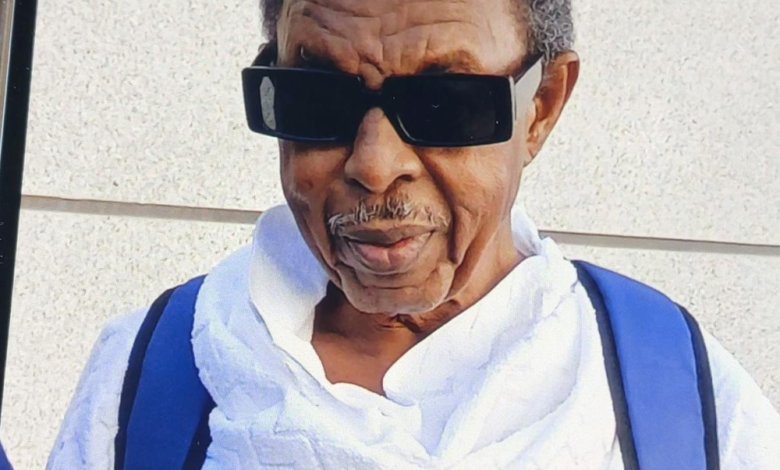
In a touching display of humanity embodying the highest ideals of nobility and generosity inherent in Saudi society, Scout Leader Dr. Ismail Watar demonstrated an act of selfless giving within the precincts of the Holy Mosque in Mecca during the blessed month of Ramadan. He transcended his usual professional duties to set a unique example of honoring pilgrims by rescuing an elderly pilgrim who had become separated from his family. Instead of simply going through the routine procedures, he took the pilgrim into his own home, thus ending his hours of fear and confusion.
Saudi Scouts: A history of service to the Two Holy Mosques
This incident is not an isolated event, but rather an extension of the long and distinguished history of Saudi scouting, which has dedicated itself for decades to serving pilgrims. The public service camps organized by the Saudi Arabian Scouts Association in Mecca and Medina are considered a global model of volunteer work, where young Saudis eagerly offer assistance and guidance, driven by religious conviction and a sense of national duty, reflecting the Kingdom's positive image in caring for those visiting the Holy Mosque.
Details of the Ramadan evening and the generous hospitality
The story began when Dr. Watar noticed signs of confusion and exhaustion on the face of an elderly pilgrim amidst the throngs of people in the Grand Mosque in Mecca. Despite having finished his official shift at the Lost and Found Center and being ready to leave, his sense of humanity prevented him from leaving the man alone. After the elderly man revealed that he had lost his family and believed he was staying in the Al-Khalidiyah neighborhood, the scout leader decided to accompany him in his own car on a grueling search that lasted until the early hours of the morning. They searched the streets of Mecca in vain for the pilgrim's residence.
Al-Khalidiyah surprise and the end of suffering
In a dramatic turn of events, after hours of searching, the pilgrim remembered that his actual accommodation was in the Al-Khalidiyah neighborhood of Medina, not in Mecca, which explained why he couldn't find it in the holy city. It was then that Dr. Ismail's chivalry shone through; he refused to abandon the pilgrim and took him to his home, offering him shelter, food, and comfort, creating a family atmosphere that dispelled his loneliness.
The following morning, the efforts were successful after the missing person report was found, and contact was made with the pilgrim's two daughters (a doctor and an engineer), who had endured hours of anxious worry. The reunion was a deeply moving moment, filled with tears of joy and heartfelt prayers for this scout leader and for the Kingdom of Saudi Arabia. Dr. Watar didn't stop there; he also assigned a scout to accompany the pilgrim to complete the Tawaf and Sa'i rituals, reaffirming that serving the guests of God is an unparalleled honor and a national duty passed down through generations.