
Strong winds and heavy snowfall lashing Japan's northwest coast today have partially paralyzed air traffic, leading to the cancellation of dozens of flights, particularly in areas that include some of the country's most famous ski resorts. This weather disruption comes at the height of the winter season, posing significant logistical challenges to the travel and tourism sector.
Details of flight cancellations and passenger impact
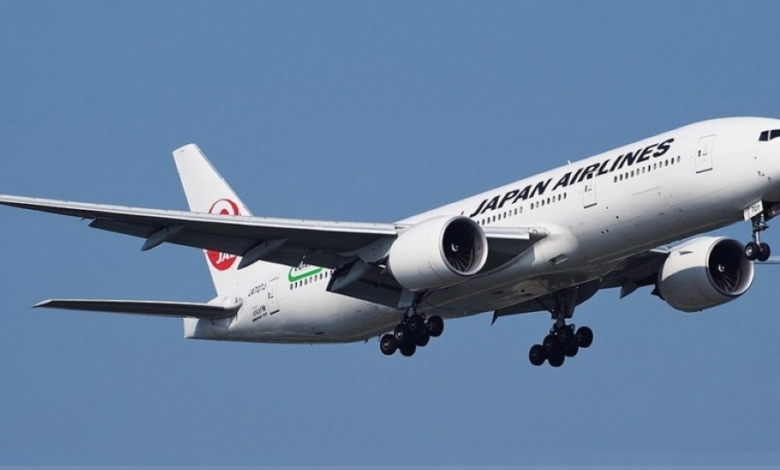
According to data released by airlines, ANA Holdings canceled 56 flights, affecting the travel plans of approximately 3,900 passengers who intended to travel across its network. Similarly, Japan Airlines (JAL) was not immune to the effects of the severe weather, having to cancel 37 flights, directly impacting the travel schedules of 2,213 passengers.
The majority of these cancellations were concentrated at New Chitose Airport, the main air gateway to Hokkaido, located near Sapporo in northern Japan. The airport recorded the highest number of cancellations, with 49 of the 56 canceled flights operated by ANA alone, reflecting the severity of the storm in that particular region.
Climate background: Why is Japan affected by these storms?
These weather disturbances are part of Japan's typical but harsh winter climate. Areas bordering the Sea of Japan, particularly Hokkaido and the northern prefectures, are subjected to cold air masses originating from Siberia. As these dry, frigid winds pass over the relatively warm waters of the Sea of Japan, they become saturated with moisture and transform into dense snow clouds that release their load upon impact with the Japanese mountains. This geographical phenomenon makes these regions, known as "Yukiguni" or "Snow Country," one of the snowiest areas in the world.
Economic and tourism impact
The timing of these storms is particularly significant and has a tangible economic impact, as Hokkaido is a major global destination for winter sports enthusiasts. The region is renowned for its ski resorts, which attract tourists from all over the world thanks to the exceptional quality of its powder snow. Therefore, any disruption to air traffic at New Chitose Airport affects not only local residents but also the tourism and hotel sectors, which rely heavily on the influx of visitors at this time of year.
Official warnings and continued weather conditions
The Japan Meteorological Agency issued a severe warning, indicating that heavy snow would continue to blanket northern and western Japan, particularly along the Sea of Japan coast. The agency identified the period from January 21 to 25 as the peak of this weather system, urging citizens and travelers to exercise caution and stay updated by airlines to avoid being stranded at airports.