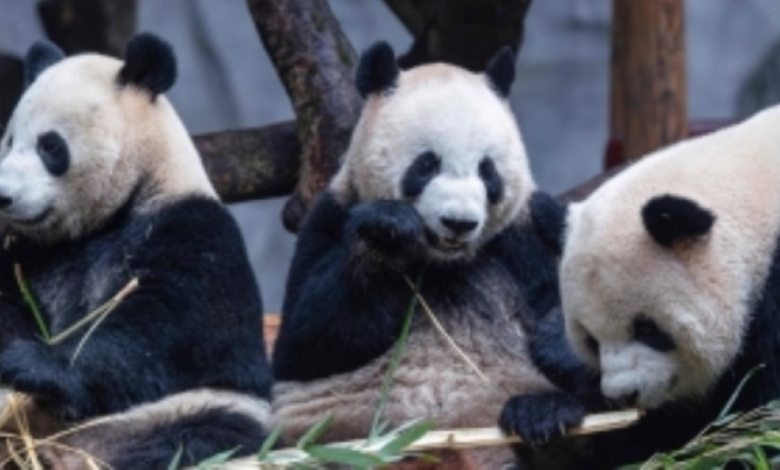
Japan bids farewell to pandas Xiao Xiao and Li Li: the end of an era of panda diplomacy

Tokyo's Ueno Zoo witnessed a moving scene as thousands of fans and visitors gathered to bid a final farewell to giant panda twins Xiao Xiao and Li Li. This large gathering comes ahead of the bears' scheduled return to their native China this week, an event with profound cultural and political significance that extends far beyond the mere relocation of rare animals.
The end of an era in Ueno Park
The departure of the twin pandas, Xiao Xiao and Li Li, marks a pivotal moment in the history of Ueno Zoo. Reports indicate that their passing may leave Japan, or at least its oldest zoo, without pandas for the first time in over half a century. Visitors expressed their deep sadness, with many shedding tears as they waved goodbye to the animals they had grown up with, amid concerns that the chances of finding replacements in the near future are dwindling.
The history of "panda diplomacy" between China and Japan
To understand the significance of this event, one must go back to 1972, when China gifted its first pair of pandas (Kang Kang and Lan Lan) to Japan. This was not merely a gift; it was a symbol of the normalization of diplomatic relations between the two countries after years of estrangement and hostility. Since then, pandas have become a symbol of Chinese soft power and a bridge for cultural exchange, in what has become known globally as "panda diplomacy.".
Why are pandas returning to China?
Despite their immense popularity in Japan, pandas are legally owned by China. According to international wildlife conservation agreements, most pandas in zoos worldwide are on loan for specific periods, and contracts typically stipulate that cubs born abroad must return to China upon reaching sexual maturity (between two and four years of age) to participate in breeding programs and prevent the species' extinction.
Cultural impact and an uncertain future
Pandas have been an integral part of Tokyo's Ueno district's tourist identity, boosting the local economy through souvenir sales, restaurants, and tourism. With the departure of Xiao Xiao and Li Li, and the lack of any immediate official announcements of new arrivals, there is a growing concern that the emptiness in the panda enclosures reflects a cooling of current diplomatic relations, making today's farewell not just a goodbye to beloved animals, but perhaps the end of a golden era of vibrant cultural exchange.