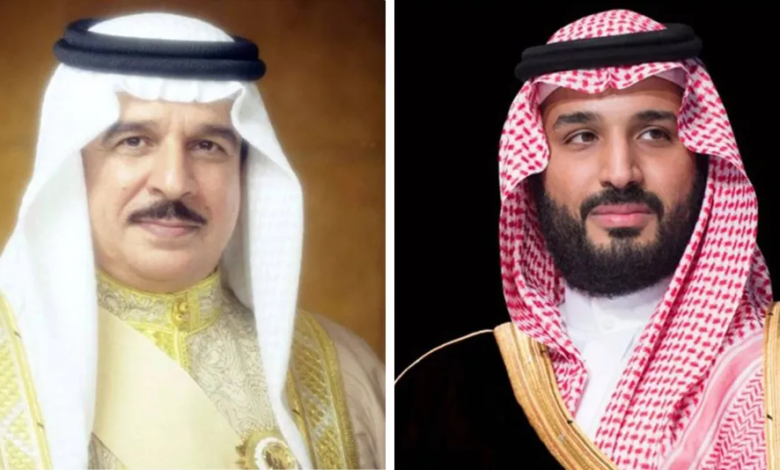

تلقى صاحب السمو الملكي الأمير محمد بن سلمان بن عبدالعزيز آل سعود، ولي العهد رئيس مجلس الوزراء، رسالة خطية من أخيه صاحب الجلالة الملك حمد بن عيسى آل خليفة، ملك مملكة البحرين، تتصل بالعلاقات الثنائية الأخوية المتينة والوطيدة التي تربط بين البلدين والشعبين الشقيقين، وسبل تعزيزها وتطويرها في كافة المجالات.
عمق العلاقات السعودية البحرينية
تأتي هذه الرسالة في إطار التواصل المستمر والتشاور الدائم بين القيادتين الحكيمتين، وهو ما يعكس عمق العلاقات التاريخية المتجذرة بين المملكة العربية السعودية ومملكة البحرين. وتتميز هذه العلاقات بخصوصية فريدة تستند إلى روابط الدم والقربى والجوار، بالإضافة إلى المصير المشترك الذي يجمع البلدين تحت مظلة مجلس التعاون لدول الخليج العربية. وتعد العلاقات السعودية البحرينية نموذجاً يحتذى به في العلاقات بين الدول، حيث تتسم بالتطابق في الرؤى والمواقف تجاه مختلف القضايا الإقليمية والدولية.
مجلس التنسيق السعودي البحريني
من الجدير بالذكر أن البلدين يعملان بشكل دؤوب من خلال “مجلس التنسيق السعودي البحريني”، الذي يهدف إلى رفع مستوى التعاون في مختلف المجالات السياسية، والأمنية، والاقتصادية، والاستثمارية، والثقافية. ويسعى المجلس إلى تحقيق التكامل بين رؤية المملكة 2030 والرؤية الاقتصادية للبحرين 2030، مما يفتح آفاقاً واسعة للنمو الاقتصادي وخلق فرص استثمارية واعدة تعود بالنفع على شعبي البلدين.
أهمية التنسيق الأمني والسياسي
في ظل التحديات التي تشهدها المنطقة والعالم، يكتسب هذا التواصل الدائم بين ولي العهد السعودي وملك البحرين أهمية استراتيجية بالغة. فالتنسيق الأمني والسياسي بين الرياض والمنامة يعد ركيزة أساسية لاستقرار منطقة الخليج العربي. وتلعب المملكة العربية السعودية دوراً محورياً في دعم أمن واستقرار البحرين، وبالمثل، تقف البحرين دائماً في صف المملكة في الدفاع عن مصالحها وأمنها، مما يؤكد مفهوم “الأمن الجماعي” لدول مجلس التعاون.
الروابط الاقتصادية والاجتماعية
لا تقتصر العلاقات على الجانب السياسي فحسب، بل تمتد لتشمل شراكة اقتصادية قوية، حيث يُعد جسر الملك فهد شرياناً حيوياً يربط البلدين، مساهماً في تعزيز التبادل التجاري وحركة السياحة. وتعمل الجهات المعنية في البلدين حالياً على دراسة مشاريع ربط جديدة، مثل جسر الملك حمد ومشروع السكك الحديدية، لزيادة الفعالية اللوجستية وتعزيز الترابط الاجتماعي والاقتصادي، مما يرسخ مكانة البلدين كقوة اقتصادية موحدة في المنطقة.