Japan elections: Takaichi poised to consolidate power with popular support and Trump

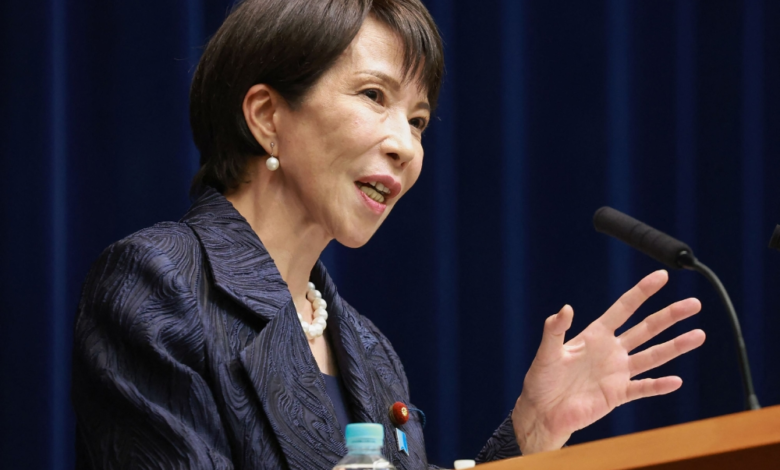
Japanese voters head to the polls on Sunday for a snap parliamentary election seen as a pivotal moment in Japan's modern political history. Called by Prime Minister Sanae Takaichi , the election aims to solidify the Liberal Democratic Party's dominance and secure a clear popular mandate for her ambitious economic and defense policies.
Takaichi, who made history as the first woman to head the government in Japan, announced on January 19 the dissolution of parliament, using her rising popularity in opinion polls to strengthen her leadership position within the party and the state.
A political gamble and a test of popularity
Takaichi transformed this election into a direct referendum on her personality and platform, asking the crowds of voters whether she was qualified to lead the country, leaving the decision to the people. The 46-year-old leader is banking on a strong performance to boost the share of the Liberal Democratic Party (the nationalist right), which has dominated the Japanese political landscape for decades since its founding in 1955, with only brief interruptions.
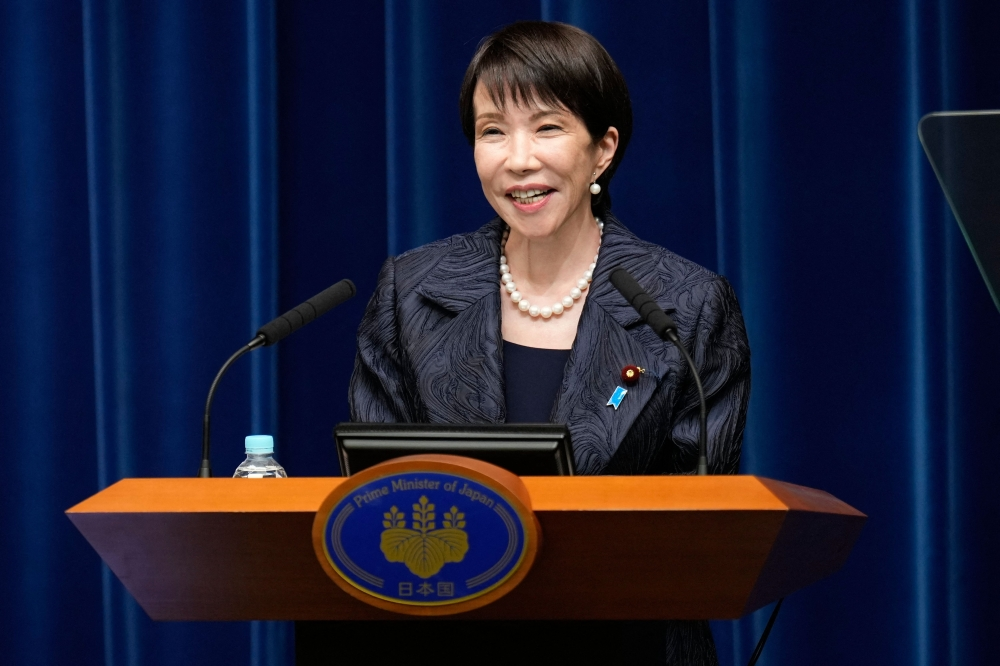
Despite a slight decline in recent weeks, her government still enjoys approval ratings close to 70%, a record high compared to its predecessors, reflecting the Japanese public's desire for political stability amid surrounding geopolitical tensions.
Predictions of a sweeping victory for the ruling party and a fragmented opposition
All indicators and opinion polls suggest that the Liberal Democratic Party will easily surpass the 233-seat threshold required for a simple majority. More optimistic estimates suggest that the ruling coalition, which also includes the Japan Innovation Party, could secure more than 300 of the 465 seats, giving it a supermajority that would allow it to pass legislation smoothly.
In contrast, the opposition camp suffers from fragmentation and structural weakness. The “New Centrist Reform Alliance,” which includes the Constitutional Democratic Party and Komeito, faces the risk of losing half its current seats. Analysts attribute this to the opposition’s inability to offer voters a convincing alternative in light of the current economic and security challenges.
Economy and inflation: a key concern for voters
Domestically, the economy, and specifically inflation, dominated the election campaigns. After decades of economic deflation, Japan is facing a global wave of inflation that has affected citizens' purchasing power, with inflation remaining above 2% for nearly three years.
In a move to win over voters and ease the cost of living, Takaichi pledged to exempt food items from the 8% consumption tax. Experts, including political science professor Hiroshi Shiratori, believe that a landslide victory will give Takaichi the green light to proceed with her economic policies known as "New Abenomics," which focus on fiscal stimulus and growth.
Geopolitical dimensions: China and the alliance with America
The significance of these elections extends beyond domestic affairs to encompass the regional balance of power in East Asia. Takaichi has adopted a hardline approach toward China and sparked diplomatic controversy by hinting at the possibility of military intervention should Taiwan be attacked—a stance consistent with Japan's evolving security doctrine, which is gradually moving away from absolute pacifism.
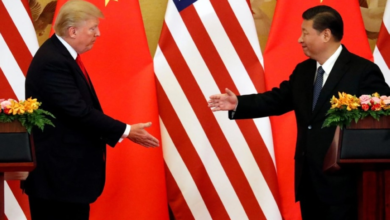
Takaichi bolstered her international standing by securing explicit support from US President Donald Trump, who described her on Truth Social as a “strong, influential, and wise leader,” expressing his anticipation of welcoming her to the White House on March 19. This support underscores the strength of the US-Japan alliance as a cornerstone of security in the Indo-Pacific region and indicates that Washington views Takaichi as a reliable strategic partner in addressing the region’s escalating challenges.