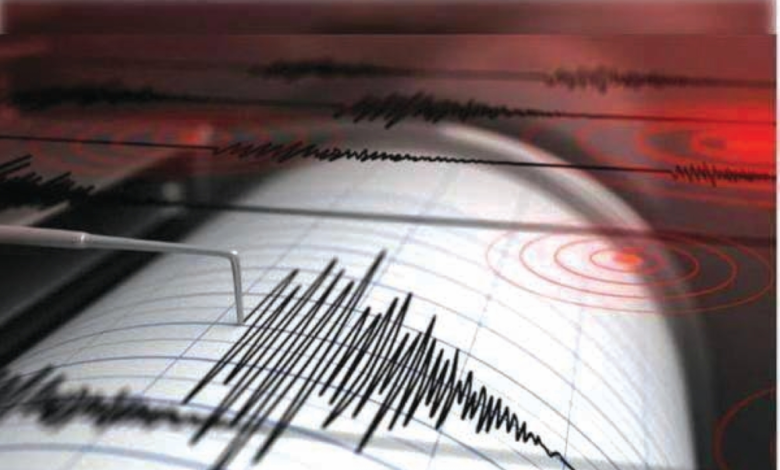

شهدت السواحل الجنوبية لليابان، وقوع هزة أرضية بلغت قوتها 5.5 درجة على مقياس ريختر، مما أثار حالة من الترقب والمتابعة الدقيقة من قبل السلطات المختصة، دون أن يتم الإعلان عن أي تحذيرات فورية بشأن احتمالية حدوث موجات مد عاتية (تسونامي).
وأفادت وكالة الأرصاد الجوية اليابانية، وهي الجهة الرسمية المسؤولة عن رصد النشاط الزلزالي في البلاد، بأن مركز الزلزال تم تحديده في المحيط الهادئ، وتحديداً في المنطقة الواقعة شرق جزيرة أوكيناوا. وأوضحت البيانات الأولية أن الهزة وقعت على عمق ضحل نسبياً يبلغ 10 كيلومترات تحت سطح البحر، وهو ما يجعل الشعور بالهزة أكثر وضوحاً في المناطق القريبة من المركز، إلا أن التقديرات الأولية تشير إلى عدم وجود خطر داهم.
تفاصيل النشاط الزلزالي والموقف الرسمي
أكدت السلطات اليابانية أنه لم ترد، حتى اللحظة، أي تقارير تفيد بوقوع خسائر بشرية أو أضرار مادية جسيمة في البنية التحتية للمناطق الساحلية القريبة. وتعمل فرق الطوارئ وإدارة الكوارث بشكل روتيني على مسح المناطق المتأثرة للتأكد من سلامة المنشآت الحيوية وشبكات النقل.
ويأتي هذا الحدث في سياق النشاط الجيولوجي الطبيعي للمنطقة، حيث لم تصدر وكالة الأرصاد أي إنذارات بإخلاء المناطق الساحلية، مما يشير إلى أن الزلزال لم يولد طاقة كافية لإزاحة كميات من المياه تتسبب في تسونامي.
اليابان وحزام النار.. سياق جغرافي وتاريخي
من الضروري وضع هذا الحدث في سياقه الجغرافي الصحيح؛ فاليابان تقع فوق ما يُعرف بـ “حزام النار” في المحيط الهادئ، وهي منطقة تمتد على شكل حدوة حصان وتتميز بنشاط زلزالي وبركاني كثيف. تلتقي في هذه المنطقة عدة صفائح تكتونية، مما يجعل اليابان واحدة من أكثر دول العالم عرضة للزلازل، حيث تسجل البلاد آلاف الهزات الأرضية سنوياً، تتراوح بين هزات غير محسوسة وأخرى قوية.
تاريخياً، طورت اليابان نظاماً متقدماً للغاية للتعامل مع هذه الكوارث الطبيعية. فبعد الزلازل المدمرة التي شهدتها البلاد في العقود الماضية، تم تحديث قوانين البناء بشكل صارم لتصبح المباني والجسور قادرة على امتصاص الصدمات والتمايل بدلاً من الانهيار. هذا الاستعداد الهندسي هو السبب الرئيسي وراء نجاة اليابان غالباً من زلازل بقوة 5 أو 6 درجات دون أضرار تذكر، في حين قد تسبب نفس القوة دماراً هائلاً في دول أخرى تفتقر لهذه التجهيزات.
أهمية الرصد المستمر وتأثير الحدث
على الرغم من أن زلزالاً بقوة 5.5 درجة يعتبر متوسط الشدة وفقاً للمعايير اليابانية، إلا أن أهميته تكمن في موقعه وعمقه. الزلازل الضحلة (مثل هذا الزلزال بعمق 10 كم) تتطلب مراقبة دقيقة لاحتمالية حدوث هزات ارتدادية (Aftershocks) في الأيام التالية. ويبقى التأثير المتوقع لهذا الزلزال محلياً ومحدوداً، ولا يتوقع أن يكون له تداعيات إقليمية أو دولية، سوى تذكير دائم بأهمية أنظمة الإنذار المبكر التي تمتلكها اليابان والتي تعتبر نموذجاً يحتذى به عالمياً في إدارة الكوارث الطبيعية.