
In a significant development that casts a shadow over Japan's efforts to bolster its energy security, Tokyo Electric Power Company (TEPCO) announced the shutdown of the Kashiwazaki-Kariwa nuclear power plant, the world's largest in terms of generating capacity, just hours after attempting to restart it. This abrupt shutdown resulted from the detection of a technical malfunction in the equipment, which triggered automatic safety protocols.
Details of the incident and safety procedures
Japanese sources explained that the decision to halt operations was an immediate precautionary measure to ensure the safety of the facility and surrounding areas. Although the operator has not reported any radioactive leak or direct environmental risk, the incident highlights once again the technical challenges of restarting aging reactors that have been inactive for extended periods. Technical teams are currently examining the systems to determine the root cause of the problem, while regulatory bodies closely monitor the situation.
Kashiwazaki Kariwa Nuclear Power Plant: The Nuclear Giant
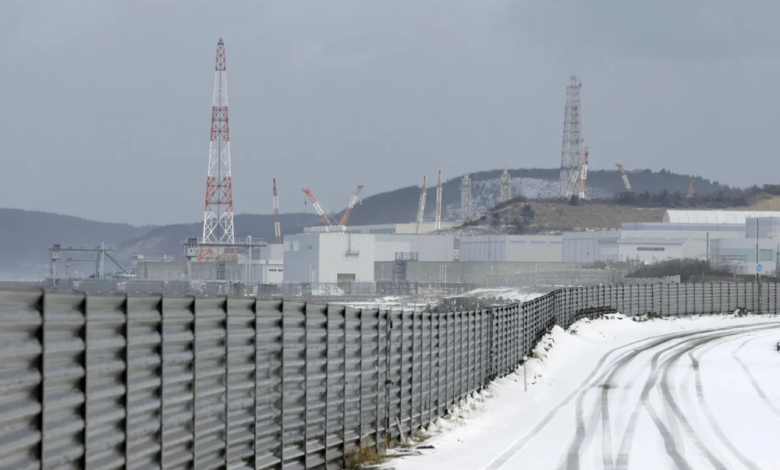
The Kashiwazaki-Kariwa Nuclear Power Plant, located in Niigata Prefecture on the Sea of Japan coast, sprawls across a vast area and houses seven nuclear reactors with a total capacity exceeding 8,200 megawatts. This plant is a vital source of electricity for the greater Tokyo area. It has faced a complex history of challenges, from the 2007 earthquake that caused structural damage to the nationwide shutdown of Japan's nuclear industry following the Fukushima Daiichi disaster in 2011.
Historical context and the Japanese energy crisis
Since the Fukushima disaster, Japan has adopted extremely stringent safety standards, leading to the shutdown of most of its nuclear reactors. However, Japan's heavy reliance on imported fossil fuels (natural gas and coal) for electricity generation has placed enormous pressure on the national economy, especially given the volatility of global energy prices. The Japanese government is striving to restart reactors that meet the new safety requirements in order to reduce carbon emissions and stabilize the energy supply.
Expected impacts locally and internationally
This setback has implications beyond the technical aspects; it represents a blow to TEPCO's efforts to regain the trust of the public and regulatory bodies after years of scrutiny. Domestically, delaying the plant's full restart could lead to continued strain on the electricity grid during peak summer and winter consumption seasons. Internationally, energy markets are closely monitoring these developments, as Japan's return to nuclear power means a decrease in its demand for liquefied natural gas (LNG), which impacts global prices. The question remains whether Japan can balance its pressing energy needs with legitimate concerns about nuclear safety.