
Introduction: Escalating tensions in the Arabian Gulf
The Arabian Gulf region is witnessing rapid developments amid escalating geopolitical tensions, with strategic reports and analyses indicating that Iran is expanding the scope of its “energy war” in the region. The Arabian Gulf is a vital artery of the global economy, and any threat to its maritime security directly impacts global energy markets. The persistent threats to target or disrupt oil supplies represent a dangerous escalation that jeopardizes global energy security and demands unprecedented international attention.
Historical context: The roots of the shipping crisis and the Tanker War
To understand the true dimensions of this escalation, one must return to the historical context of tensions in the Gulf. The “energy war” is not a recent phenomenon; its roots extend back to the 1980s during the Iran-Iraq War, specifically the so-called “Tanker War,” in which commercial vessels and oil tankers were targeted to cripple the economies of countries supporting opposing sides. Since then, Tehran has used the Strait of Hormuz—through which approximately one-fifth of the world’s oil production passes—as a tool of political and economic pressure in the face of international sanctions and Western pressure. Incidents of tanker seizures and threats to close the strait have recurred at various points in history, making the region a perpetual flashpoint of tension.
Strategic importance and impact of escalation locally and regionally
At the regional level, the escalation of the energy war poses a direct threat to the Gulf Cooperation Council (GCC) states, whose economies are heavily reliant on oil and gas exports. Any disruption to shipping would mean a disruption to supply chains, forcing countries in the region to seek alternative routes and increase spending on maritime security. This escalation also increases investment uncertainty in the region, impacting the ambitious economic development plans adopted by the Gulf states. Regionally, this situation fuels the arms race and pushes for the formation of new security alliances to protect territorial and international waters and ensure market stability.
International repercussions: Global energy security is at risk
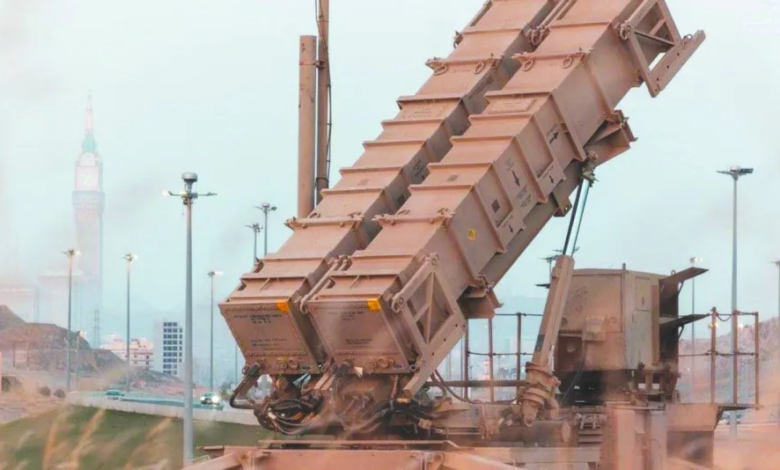
Internationally, the impact of the “energy war” is not limited to the Middle East; it extends to the very heart of the global economy. Any threat to navigation in the Strait of Hormuz or the Gulf of Oman immediately leads to a surge in crude oil and natural gas prices, exacerbating global inflation and putting pressure on the economies of energy-importing nations, particularly in Europe and Asia. Consequently, major powers, most notably the United States through its Fifth Fleet, have reinforced their military presence to ensure freedom of navigation. International maritime alliances have also been formed to guarantee the secure flow of energy, reflecting the paramount importance the international community places on preventing any party from monopolizing or threatening this vital waterway.
Summary: The future of Gulf security amid tensions
In conclusion, Iran’s continued expansion of the “energy war” in the Gulf presents the international community with complex security and economic challenges. The situation demands concerted diplomatic and international efforts to ensure freedom of navigation and prevent further oil shocks to the global economy. The stability of the Arabian Gulf is not merely a regional matter; it is a cornerstone of the stability of the entire global economic system, thus requiring the international community to take decisive steps to guarantee the security of energy routes.