Japan shuts down world's largest nuclear power plant hours after restarting

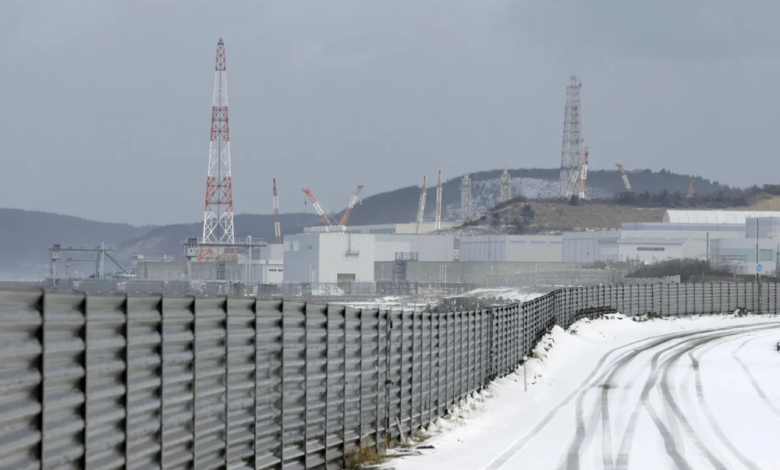
Tokyo Electric Power Company (TEPCO), operator of the world's largest nuclear power plant, announced the suspension of operations at the Kashiwazaki-Kariwa plant in Niigata Prefecture, west-central Japan, just hours after restarting one of its reactors. This unexpected development presents a new obstacle to Japan's efforts to revive its nuclear sector after years of stagnation.
Details of the incident and the technical reasons
TEPCO spokesperson Takashi Kobayashi explained that the shutdown was triggered by an alarm in the monitoring system during reactor operation, prompting an immediate precautionary suspension. The company confirmed that the reactor is completely stable and that no radiation leaks or adverse environmental impacts have been detected. Investigations are underway to determine the precise cause of the alarm, but no date has been set for resuming operations.
The station was originally scheduled to restart last Tuesday, but a previous technical problem related to the sirens led to a postponement, before the company announced that the problem had been solved and operations had resumed on Wednesday evening, only to face a new obstacle on Thursday.
The importance of the station and the historical context
The Kashiwazaki-Kariwa plant holds immense strategic importance, being the world's largest in terms of total power generation capacity and housing seven reactors. This colossal plant, like all nuclear reactors in Japan, was taken offline following the Fukushima Daiichi disaster in March 2011, triggered by a massive tsunami – the worst nuclear accident since Chernobyl.
Since then, Japanese nuclear power plants have been subject to very strict safety standards imposed by the Nuclear Regulation Authority, making the restart process very slow amid intensive scrutiny.
Energy challenges and government direction
This setback comes at a time when Japan, a country poor in natural resources, is striving to reduce its heavy reliance on imported fossil fuels (gas and coal), which burden its trade balance. The Japanese government aims to achieve carbon neutrality by 2050 and meet the enormously increasing demand for electricity, driven by the expansion of data centers and artificial intelligence technologies.
The political leadership, including Prime Minister Sanae Takaichi, has expressed strong support for the use of nuclear power for civilian purposes as a key pillar of national energy security, despite ongoing public opposition.
Public opinion divided and persistent concerns
The issue of nuclear power continues to deeply divide Japanese society. Despite the Niigata prefecture governor's approval last month of restarting operations, local polls show that nearly 60% of residents oppose the move, compared to only 37% in favor. This opposition was demonstrated by dozens of citizens, mostly elderly, who protested in front of the plant despite the cold weather, reflecting persistent and deep-seated fears of a repeat of the Fukushima tragedy.