
مقدمة: تقييم الإدارة الأمريكية للهدنة مع إيران
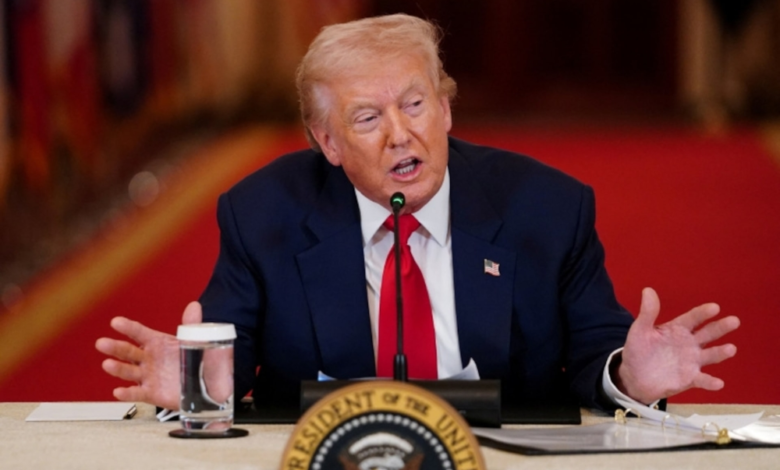
رحب نائب الرئيس الأمريكي، جي دي فانس، بالاتفاق الأخير الذي تم التوصل إليه لتهدئة التوترات، واصفاً إياه بأنه “هدنة هشة” مع إيران. ودعا فانس طهران إلى استغلال هذه الفرصة للعودة إلى طاولة المفاوضات بـ “حسن نية” بهدف التوصل إلى اتفاق شامل وطويل الأمد. وتأتي هذه التصريحات في ظل مرحلة حرجة تمر بها العلاقات الأمريكية الإيرانية، حيث تسعى الإدارة الأمريكية بقيادة دونالد ترامب إلى إعادة صياغة قواعد الاشتباك في الشرق الأوسط وفرض واقع سياسي جديد.
السياق التاريخي للعلاقات الأمريكية الإيرانية
لفهم طبيعة هذه الهدنة، يجب النظر إلى السياق التاريخي المعقد بين واشنطن وطهران. منذ عقود، تتسم العلاقات بالتوتر الشديد، والذي بلغ ذروته مع انسحاب الولايات المتحدة في عام 2018، خلال الولاية الأولى للرئيس دونالد ترامب، من الاتفاق النووي الإيراني المبرم عام 2015. تبنت إدارة ترامب حينها استراتيجية “الضغوط القصوى” التي شملت عقوبات اقتصادية قاسية. واليوم، تعود هذه الديناميكية للواجهة، حيث تستخدم واشنطن التهديد العسكري المباشر جنباً إلى جنب مع الضغط الاقتصادي لإجبار طهران على تقديم تنازلات جوهرية والجلوس على طاولة الحوار.
تفاصيل الهدنة والتحذيرات المتبادلة
جاءت تصريحات فانس بعد وقت قصير من إعلان اتفاق بين واشنطن وطهران على هدنة مؤقتة تستمر لمدة أسبوعين. هذا الإعلان جاء في اللحظات الأخيرة قبل انتهاء مهلة حاسمة حددتها الولايات المتحدة لإيران، والتي تضمنت تهديدات صريحة بشن ضربات عسكرية واسعة النطاق قادرة على تدمير البنية التحتية الإيرانية بالكامل، أو كما وُصف بـ “القضاء على حضارة بكاملها”. في المقابل، لم تقف طهران مكتوفة الأيدي، بل حذرت بوضوح من أن أي صراع مفتوح لن ينتهي إلا عبر التفاوض على بنود رسمية وملزمة للطرفين، مما يعكس حالة الاستقطاب الحادة.
رسالة فانس القوية وحسن النية المطلوب
خلال زيارته الحالية إلى العاصمة المجرية بودابست، وجه فانس رسالة حازمة للقيادة الإيرانية. وأكد أنه إذا أظهر الإيرانيون استعداداً حقيقياً للعمل بـ “حسن نية”، فإن التوصل إلى اتفاق دبلوماسي يظل أمراً ممكناً. لكنه حذر بشدة من مغبة التلاعب، قائلاً: “إذا لم يأت الإيرانيون إلى طاولة المفاوضات، فسوف يتبين لهم أن رئيس الولايات المتحدة دونالد ترامب ليس شخصاً يمكن العبث معه. إنه غير صبور ويتطلع لإحراز تقدم سريع”. وأضاف فانس أن واشنطن لا تزال تمتلك نفوذاً عسكرياً ودبلوماسياً واضحاً، والأهم من ذلك، نفوذاً اقتصادياً هائلاً يمكن استخدامه كأداة ردع قوية ضد أي محاولات إيرانية للغش أو خرق الهدنة الهشة.
التأثير الإقليمي والدولي للاتفاق
تحمل هذه التطورات أهمية كبرى على المستويين الإقليمي والدولي. إقليمياً، تراقب دول الشرق الأوسط، وخاصة دول الخليج العربي، هذه الهدنة بحذر شديد، حيث أن أي تصعيد عسكري قد يؤدي إلى زعزعة استقرار المنطقة بالكامل والتأثير على خطوط الملاحة الدولية. دولياً، ينعكس التوتر بشكل مباشر على أسواق الطاقة العالمية وأسعار النفط. نجاح هذه الهدنة وتحولها إلى اتفاق طويل الأمد قد يمنح الاقتصاد العالمي فرصة للاستقرار بعيداً عن شبح الحروب المفتوحة.
السياق السياسي لزيارة فانس إلى المجر
على صعيد آخر، لا يمكن فصل تصريحات فانس عن سياق جولته الأوروبية. فقد بدأ نائب الرئيس الأمريكي زيارته إلى بودابست لتقديم الدعم السياسي لرئيس الوزراء القومي المجري فيكتور أوربان. يواجه أوربان حالياً تحديات سياسية غير مسبوقة تهدد حكمه المستمر منذ 16 عاماً، وذلك بالتزامن مع الانتخابات البرلمانية الحاسمة. يعكس هذا الدعم التوجهات الأيديولوجية والسياسية المشتركة بين إدارة ترامب والحكومات المحافظة في أوروبا، مما يعزز التحالفات الدولية للإدارة الأمريكية في مواجهة التحديات العالمية.