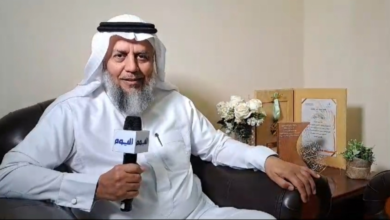

أعلنت الجمعية الفلكية بجدة، على لسان رئيسها المهندس ماجد أبوزاهرة، عن حدث فلكي مرتقب تشهده سماء الكرة الأرضية يوم الثلاثاء الموافق 17 فبراير 2026، يتمثل في عبور كويكب صغير مكتشف حديثاً يُعرف باسم 2026 CR2. ويأتي هذا الإعلان لطمأنة الجمهور وتوضيح الحقائق العلمية المتعلقة بمثل هذه الظواهر الكونية التي تتكرر بشكل دوري.
تفاصيل عبور الكويكب ومسافته عن الأرض
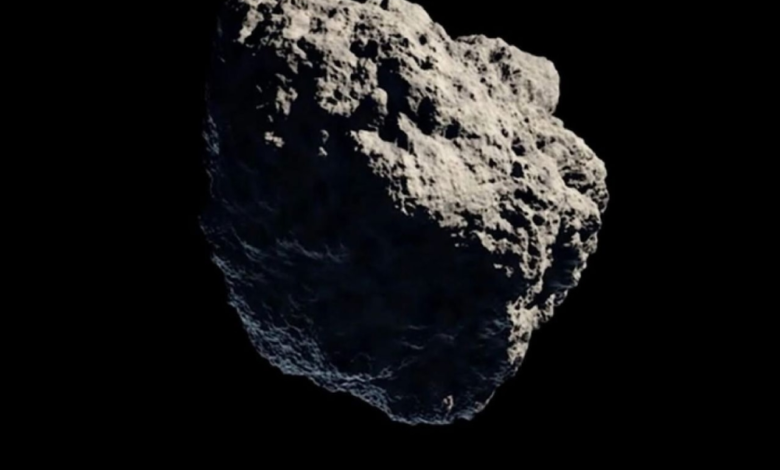
وفقاً للبيانات الصادرة عن الجمعية، فإن الكويكب يتحرك بسرعة عالية نسبياً ضمن فئة الكويكبات القريبة من الأرض. ومن المتوقع أن يصل الجرم السماوي إلى أقرب نقطة له من كوكبنا على مسافة تُقدر بنحو 136,500 كيلومتر. ولتقريب الصورة للأذهان، فإن هذه المسافة تعادل أقل من نصف متوسط المسافة الفاصلة بين الأرض والقمر، والتي تبلغ حوالي 385 ألف كيلومتر. ورغم أن هذا الاقتراب يُصنف فلكياً على أنه "وثيق"، إلا أن المسار المحسوب للكويكب يؤكد أنه آمن تماماً ولا يشكل أي تهديد للاصطدام بالأرض.
هل يشكل الكويكب خطراً في حال دخوله الغلاف الجوي؟
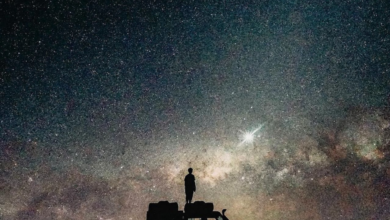
أوضح المهندس أبوزاهرة أن قطر الكويكب يبلغ نحو 3 أمتار فقط، وهو حجم صغير جداً وفق المعايير الفلكية. وأشار إلى أنه حتى في ظل سيناريو افتراضي لاصطدام هذا الجرم بالغلاف الجوي للأرض، فإن النتيجة لن تكون كارثية. فبسبب صغر حجمه وسرعته، سيتحول الكويكب بمجرد احتكاكه بطبقات الجو العليا إلى كرة نارية ساطعة تتلاشى وتتفتت بالكامل قبل وصولها إلى السطح. وتُعد هذه الظاهرة طبيعية وتحدث عدة مرات سنوياً مع صخور فضائية مماثلة، دون أن يشعر بها معظم سكان الأرض.
أهمية رصد الأجرام السماوية الصغيرة
تكتسب عملية رصد ومتابعة الكويكبات الصغيرة مثل 2026 CR2 أهمية علمية بالغة تتجاوز مجرد مراقبة السماء. فهذه الأجرام تُمثل تحدياً كبيراً لتقنيات الرصد الحالية نظراً لصغر أقطارها وسرعتها الفائقة، حيث لا يتم اكتشاف معظمها إلا عند اقترابها الشديد من الأرض. ويُعد نجاح المراصد في تحديد مسار هذا الكويكب دليلاً على تطور قدرات الرصد الفلكي العالمية، واختباراً عملياً لجاهزية المجتمع العلمي للتعامل مع أي تهديدات مستقبلية قد تأتي من أجرام أكبر حجماً.
الكويكبات كبسولات زمنية من تاريخ النظام الشمسي
أكدت فلكية جدة أن القيمة العلمية لهذه الكويكبات تكمن في كونها "كبسولات زمنية" أو بقايا أصلية من حقبة تشكل النظام الشمسي قبل مليارات السنين. فدراسة مكوناتها ومساراتها تمنح العلماء فرصة نادرة للعودة بالزمن إلى الوراء وفهم الظروف الأولية التي أدت إلى نشأة الكواكب، بما في ذلك كوكب الأرض. ونظراً لضيق النافذة الزمنية المتاحة لرصد هذا الكويكب، والتي لا تتجاوز بضعة أيام، فإن العلماء يسابقون الزمن لجمع أكبر قدر من البيانات لتحليلها والاستفادة منها في الأبحاث الفلكية المستقبلية.