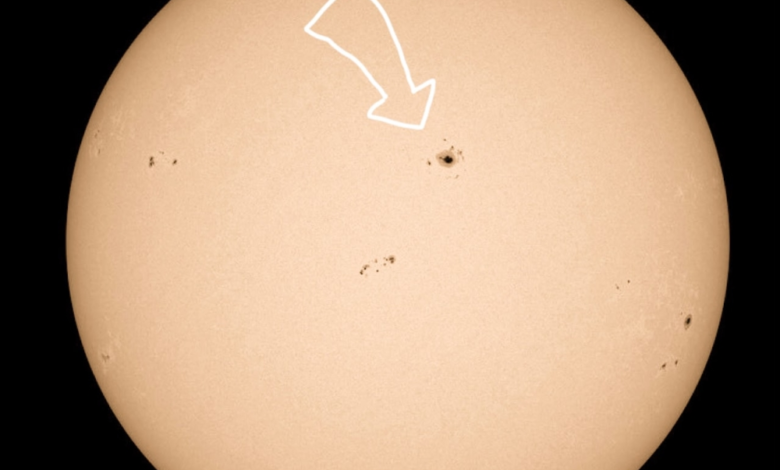

أعلنت الجمعية الفلكية بجدة عن رصد أقمارها الصناعية المتخصصة لـ توهج شمسي متوسط القوة، انطلق من البقعة الشمسية النشطة التي تحمل الرمز “AR3697” (مذكورة في المصدر باسم 4455). هذا الحدث الفلكي، الذي تم تصنيفه ضمن فئة M3.3، يثير احتمالية أن يكون مصحوباً بانبعاث كتلي إكليلي (CME) قد يتجه نحو كوكب الأرض، مما قد يؤدي إلى عاصفة مغناطيسية ضعيفة خلال الأيام القليلة المقبلة.
فهم ظواهر النشاط الشمسي
تعتبر الشمس نجماً نشطاً بشكل دائم، وتمر بدورات نشاط تبلغ ذروتها كل 11 عاماً تقريباً. خلال هذه الفترات، يزداد ظهور البقع الشمسية، وهي مناطق أبرد مؤقتاً على سطح الشمس تتميز بمجالات مغناطيسية قوية ومعقدة. عندما تتشابك خطوط هذه المجالات المغناطيسية وتنفجر فجأة، تطلق كميات هائلة من الطاقة على شكل توهجات شمسية وانبعاثات كتلية إكليلية. تُصنف التوهجات حسب قوتها إلى فئات (A, B, C, M, X)، حيث تعد الفئة M متوسطة القوة، بينما X هي الأقوى. الانبعاث الكتلي الإكليلي هو عبارة عن سحابة ضخمة من البلازما والمجال المغناطيسي تُقذف من الشمس، وعندما تتجه نحو الأرض، يمكن أن تتفاعل مع غلافنا المغناطيسي مسببةً ما يعرف بالعواصف الجيومغناطيسية.
تأثيرات العاصفة المغناطيسية المحتملة على الأرض
أوضح رئيس الجمعية الفلكية بجدة، المهندس ماجد أبوزاهرة، أن وصول هذا الانبعاث إلى الأرض، إذا تم تأكيد مساره، قد يؤدي إلى عاصفة جيومغناطيسية من المستوى G1. يعتبر هذا المستوى هو الأدنى على مقياس شدة العواصف المغناطيسية، وتأثيراته عادة ما تكون طفيفة ومحصورة في مناطق محددة. قد تشمل هذه التأثيرات اضطرابات بسيطة في شبكات الطاقة عند خطوط العرض العليا، وتأثيرات طفيفة على عمليات الأقمار الصناعية، بالإضافة إلى إمكانية حدوث تشويش متقطع في أنظمة الاتصالات اللاسلكية والملاحة عالية التردد. التأثير الأكثر جمالاً لهذه العواصف هو ظاهرة الشفق القطبي (الأورورا)، حيث تزداد فرصة رؤيته في المناطق القريبة من الدوائر القطبية الشمالية والجنوبية.
لماذا لا يتأثر العالم العربي بهذا التوهج الشمسي المتوسط؟
أكد أبوزاهرة أن الدول العربية، نظراً لموقعها الجغرافي عند خطوط العرض المنخفضة والمتوسطة، لا يُتوقع أن تتأثر بشكل مباشر بهذا النشاط الشمسي. الدرع المغناطيسي للأرض قوي جداً في هذه المناطق، وهو قادر على حرف معظم الجسيمات المشحونة القادمة من الشمس. لذلك، فإن مستوى العاصفة المحتمل (G1) لا يُعد كافياً لإحداث تأثيرات ملحوظة على البنية التحتية التكنولوجية في المنطقة العربية، كما أنه لن يسمح بظهور الشفق القطبي في سمائها. وتواصل المراصد ومراكز الطقس الفضائي حول العالم تحليل البيانات الواردة من الأقمار الصناعية لتحديد سرعة واتجاه الانبعاث الكتلي الإكليلي بدقة أكبر، وتقييم تأثيره المحتمل على البيئة الفضائية المحيطة بالأرض عند وصوله المتوقع.