
خطة تشغيلية متكاملة لضمان راحة الحجاج
أعلنت أمانة محافظة جدة، ممثلة بوزارة الشؤون البلدية والقروية والإسكان، عن اكتمال جاهزية منظومتها البلدية المتكاملة لاستقبال وخدمة ضيوف الرحمن خلال موسم حج عام 1445هـ. تأتي هذه الاستعدادات المكثفة في إطار الجهود الوطنية الشاملة لضمان توفير أرقى الخدمات وتسهيل رحلة الحجاج منذ لحظة وصولهم عبر منافذ جدة الرئيسية وحتى مغادرتهم إلى المشاعر المقدسة.
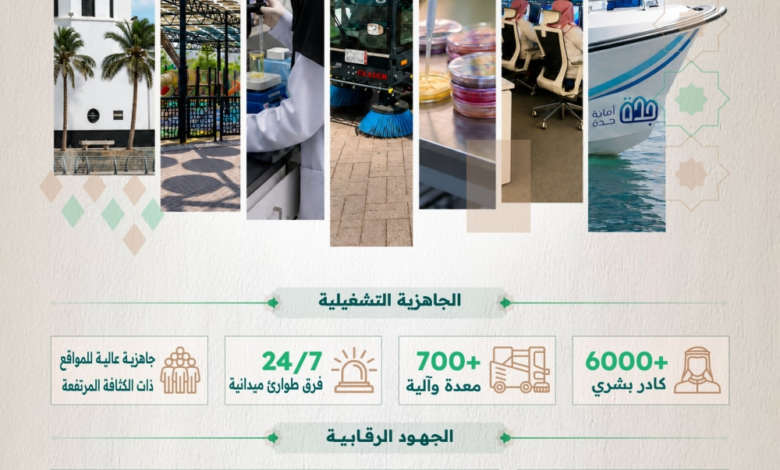
وضمن خطتها التشغيلية، حشدت الأمانة طاقاتها البشرية والآلية، حيث سخّرت أكثر من 6 آلاف كادر بشري مدرب، وما يزيد على 700 من المعدات والآليات الحديثة. كما تم تشكيل فرق طوارئ تعمل على مدار الساعة لتقديم الدعم الفوري للأعمال الميدانية، وضمان سرعة الاستجابة لأي بلاغات، بما يكفل استمرارية الخدمات البلدية بكفاءة عالية. وشملت الجهود تهيئة وتجهيز المواقع الحيوية والطرق الرئيسية المؤدية إلى مكة المكرمة، بالإضافة إلى تجهيز محيط ميقاتي يلملم والجحفة ضمن نطاق محافظتي الليث ورابغ، لتكون في أتم استعداد لاستقبال الحجيج.
جدة.. البوابة التاريخية للحرمين الشريفين
تكتسب استعدادات جدة أهمية خاصة نظرًا لموقعها الاستراتيجي كبوابة رئيسية للحرمين الشريفين. فعلى مر العصور، كانت جدة المعبر الأساسي للحجاج القادمين من مختلف أنحاء العالم، خاصة عبر مينائها البحري ومطارها الدولي الذي يعد من أكثر المطارات ازدحامًا خلال موسم الحج. هذا الدور التاريخي يضع على عاتق الجهات الخدمية في المحافظة مسؤولية كبيرة لضمان انسيابية الحركة وتوفير بيئة آمنة ومريحة لملايين الحجاج الذين يعبرونها سنويًا. وتعد هذه الجهود انعكاسًا للخبرة التراكمية الطويلة للمملكة في إدارة الحشود وتنظيم مواسم الحج، والتي تتطور عامًا بعد عام بفضل التخطيط الدقيق وتوظيف أحدث التقنيات.
رقابة صحية وغذائية مشددة
في الجانب الرقابي، كثفت أمانة جدة جولاتها الميدانية على المنشآت الغذائية والتجارية والصحية لضمان التزامها بأعلى معايير السلامة. شملت الجولات الرقابية أكثر من 2850 منشأة، من بينها المطاعم، الأسواق، المراكز التجارية، الفنادق، والشقق المفروشة. وقد أسفرت هذه الجولات عن تسجيل مستويات امتثال عالية، مما يعكس حرص الأمانة على صحة وسلامة ضيوف الرحمن. ولتعزيز التواصل الفعال، أكدت الأمانة على جاهزية قنواتها الرقمية، مثل تطبيق “بلدي” والرقم الموحد 940، لتلقي البلاغات والشكاوى ومعالجتها بأسرع وقت ممكن.
تأثير وطني ودولي يترجم رؤية 2030
لا تقتصر أهمية هذه الاستعدادات على المستوى المحلي، بل تمتد لتشمل أبعادًا إقليمية ودولية. فنجاح إدارة موسم الحج في جدة يعزز من سمعة المملكة العربية السعودية كدولة قادرة على تنظيم وإدارة أكبر التجمعات البشرية في العالم بكفاءة واقتدار. وتندرج هذه الجهود ضمن منظومة وطنية متكاملة تشمل مكة المكرمة، المدينة المنورة، والمشاعر المقدسة، وتتوافق مع مستهدفات رؤية المملكة 2030 التي تهدف إلى إثراء التجربة الدينية للحجاج والمعتمرين وتقديم خدمات استثنائية لهم. إن توفير رحلة حج آمنة وميسرة يعكس التزام المملكة الراسخ بخدمة الإسلام والمسلمين في شتى بقاع الأرض.