Consensus in Jeddah: Support for Palestine and rejection of unilateral Israeli measures

The city of Jeddah witnessed intense diplomatic activity culminating in a broad international and Islamic consensus affirming the centrality of the Palestinian cause and the necessity of concerted international efforts to support the legitimate rights of the Palestinian people. This consensus sent a clear message categorically rejecting all unilateral Israeli measures that would undermine the prospects for peace or alter the historical and legal status quo in the occupied territories.
A firm rejection of unilateral actions and settlement activity
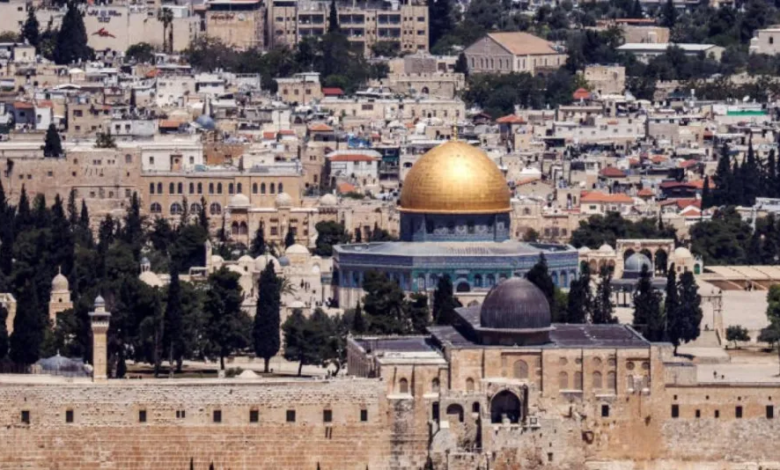
The diplomatic efforts in Jeddah focused on condemning the continued settlement expansion, attempts to displace Palestinians, and the ongoing violations of Islamic and Christian holy sites in Jerusalem. The participants affirmed that these practices not only violate international law but also represent a major obstacle to any political solution to the conflict, emphasizing the need to respect the historical status quo of the Al-Aqsa Mosque and the Noble Sanctuary.
General context and pivotal Saudi role
This stance is not new to Jeddah, a city that has long been a hub for joint Islamic and Arab action and the headquarters of the Organization of Islamic Cooperation. This consensus stems from the historical and pioneering role played by the Kingdom of Saudi Arabia in supporting Arab and Islamic causes, foremost among them the Palestinian cause. These positions are based on firm principles calling for the achievement of a just and comprehensive peace, which brings to mind the Arab Peace Initiative launched by the Kingdom, which remains the fundamental framework and the optimal solution for ending the conflict based on the principle of land for peace.
The importance of the event and its regional and international impact
This consensus in Jeddah acquires exceptional importance given the complex geopolitical circumstances facing the region and the world. Regionally, this stance strengthens Arab and Islamic unity and thwarts any attempts to marginalize the Palestinian cause amidst the successive global crises. Internationally, this unified position from Jeddah places the international community, and the Security Council in particular, before its legal and moral responsibilities to intervene effectively to halt the escalation and provide international protection for the Palestinian people.
In conclusion, what Jeddah witnessed represents a new confirmation that security and military solutions will not bring stability to the region, and that the only way forward is to return to a serious political path that leads to the establishment of an independent Palestinian state on the 1967 borders with East Jerusalem as its capital, in accordance with the relevant international legitimacy resolutions.