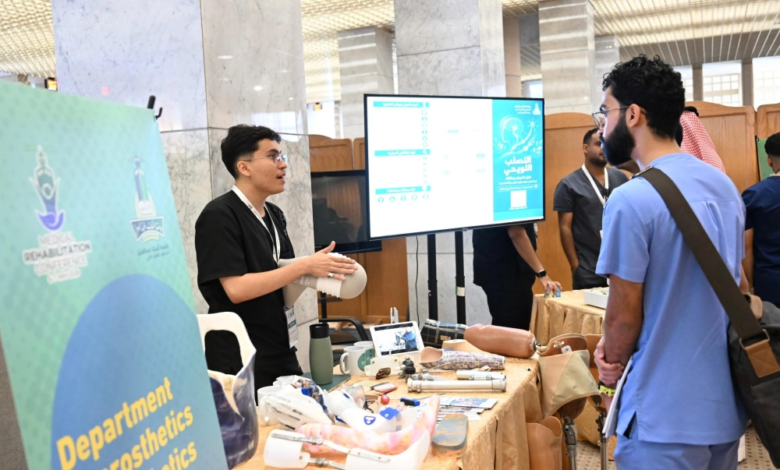

في خطوة تعكس التزام المملكة العربية السعودية بتطوير قطاع الرعاية الصحية، استضافت مدينة جدة “مؤتمر التأهيل الطبي التكاملي” الذي نظمته جامعة الملك عبد العزيز، ممثلة في كلية علوم التأهيل الطبي. وشهد الحدث، الذي أقيم على مدار يومين، حضوراً لافتاً تجاوز 500 مشارك من الخبراء والباحثين والممارسين الصحيين من داخل المملكة وخارجها، ليتحول إلى منصة حيوية لمناقشة أحدث الابتكارات التكنولوجية التي تعيد تشكيل مستقبل العلاج والتأهيل.
السياق العام: تكنولوجيا الرعاية الصحية ورؤية 2030
يأتي هذا المؤتمر في وقت حاسم يشهد فيه القطاع الصحي السعودي تحولاً جذرياً، مدفوعاً بأهداف رؤية المملكة 2030 التي تضع تحسين جودة الحياة والارتقاء بالخدمات الصحية في مقدمة أولوياتها. وتُعد الاستفادة من التقنيات المتقدمة مثل الذكاء الاصطناعي والطباعة ثلاثية الأبعاد ركيزة أساسية في هذا التحول. فلطالما ارتبط التأهيل الطبي بالطرق التقليدية، لكن اليوم، تفتح هذه التقنيات آفاقاً جديدة لتقديم رعاية صحية مخصصة وعالية الدقة، مما يسرّع من وتيرة التعافي ويحسن النتائج العلاجية للمرضى بشكل غير مسبوق.
ثورة الذكاء الاصطناعي والطباعة 3D في التأهيل
ركزت جلسات المؤتمر العلمية بشكل مكثف على التطبيقات العملية لهذه التقنيات. فالطباعة ثلاثية الأبعاد (3D Printing) لم تعد مجرد مفهوم مستقبلي، بل أصبحت واقعاً ملموساً في صناعة الأطراف الصناعية والأجهزة التعويضية المصممة خصيصاً لتناسب كل مريض بدقة متناهية، مما يوفر راحة أكبر ووظائف أفضل. كما تُستخدم في إنشاء نماذج تشريحية دقيقة تساعد الجراحين على التخطيط للعمليات المعقدة وتدريب الأطباء الجدد.
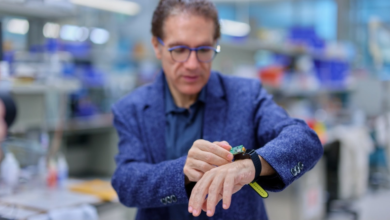
على صعيد آخر، يلعب الذكاء الاصطناعي (AI) دوراً محورياً في تحليل البيانات الضخمة للمرضى للتنبؤ بمسارات التعافي وتصميم خطط علاجية شخصية. كما تساهم المستشعرات القابلة للارتداء، المدعومة بالذكاء الاصطناعي، في مراقبة حركة الجسم ووضعية العمود الفقري بشكل مستمر، وتزويد المعالجين ببيانات دقيقة لتقييم التقدم وتعديل البرامج العلاجية بفعالية.
أهمية المؤتمر وتأثيره المتوقع
أوضحت الدكتورة أفنان الخطيب، عميدة كلية علوم التأهيل الطبي، أن المؤتمر قدم 21 محاضرة علمية و30 ملصقاً بحثياً، معتمداً 15 ساعة تدريبية من الهيئة السعودية للتخصصات الصحية. هذا الزخم العلمي لا يقتصر تأثيره على المستوى المحلي، بل يمتد ليعزز مكانة المملكة كمركز إقليمي للابتكار في الرعاية الصحية. ومن المتوقع أن تساهم مخرجات المؤتمر في:
- محلياً: تسريع تبني التقنيات الحديثة في المستشفيات ومراكز التأهيل السعودية، ورفع كفاءة الممارسين الصحيين.
- إقليمياً: إلهام دول المنطقة لتبني نماذج مماثلة في تحديث أنظمتها الصحية.
- دولياً: المساهمة في الأبحاث العالمية وتبادل الخبرات، وربط الكفاءات المحلية بالاتجاهات الدولية في مجال التأهيل الطبي.
منصة متكاملة لتبادل الخبرات
لم يقتصر المؤتمر على الجانب النظري، بل سعى ليكون منصة متكاملة لتبادل الخبرات بين الأكاديميين والباحثين والطلاب والممارسين في مختلف التخصصات، بما في ذلك العلاج الطبيعي، والعلاج الوظيفي، وعلاج أمراض التخاطب والسمع، والأطراف الصناعية، وجراحة العظام، وطب الأعصاب. وشكل هذا التنوع فرصة فريدة لمد الجسور بين البحث العلمي والتطبيق السريري، مما يضمن وصول أحدث الابتكارات إلى المرضى الذين هم في أمس الحاجة إليها.