The Jeddah meeting calls for binding international pressure on Israel for peace

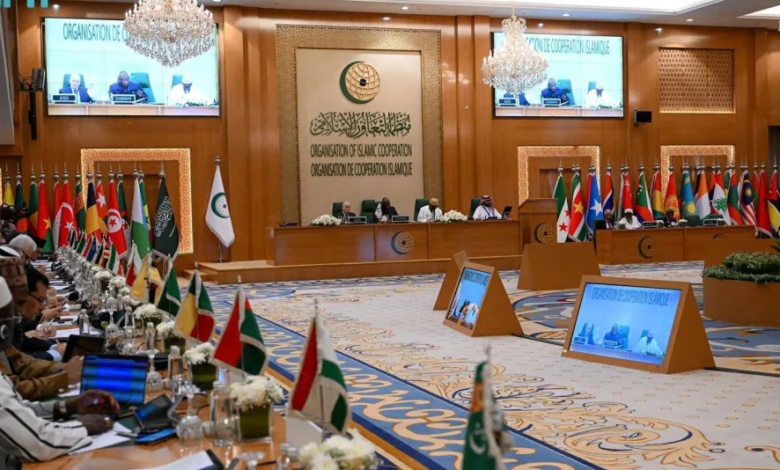
The city of Jeddah witnessed high-level diplomatic activity, culminating in a clear and direct call for the international community to assume its legal and moral responsibilities to compel Israel to engage seriously in the peace process. This meeting comes at a highly sensitive time for the Middle East, where tensions are escalating and the need for fundamental solutions that guarantee stability and security for all is growing.
The importance of diplomatic action from Jeddah
This meeting derives its importance from the political and religious weight of the Kingdom of Saudi Arabia, and from the symbolic significance of Jeddah as a hub for major diplomatic initiatives. The participants emphasized that statements of condemnation are no longer sufficient in light of continued Israeli practices that obstruct the prospects for an independent Palestinian state. The meeting stressed the necessity of moving from managing the conflict to resolving it definitively, in accordance with international law.
Historical context and the Arab initiative
The outcomes of the Jeddah meeting cannot be separated from the historical context of Arab peace efforts. Saudi Arabia was the first to propose the "Arab Peace Initiative" in 2002, which offered a comprehensive vision for ending the Arab-Israeli conflict in exchange for Israel's full withdrawal from the Arab territories occupied in 1967. The current call for peace reaffirms this position, emphasizing that peace is a strategic Arab choice, but one that requires an Israeli partner and effective international pressure to achieve.
The responsibility of the international community and the Security Council
The meeting extensively addressed the role of the major powers and the UN Security Council. It was noted that international inaction and double standards in the application of international law have encouraged the continuation of violations. The meeting's outcomes included calls for binding enforcement mechanisms to ensure all parties adhere to the principles of international humanitarian law and to halt any unilateral actions that undermine the two-state solution, such as settlement expansion and land confiscation.
Expected regional and international impact
Observers believe that the messages emanating from Jeddah present the international community with a true test of its credibility. The continued stalemate in the peace process not only threatens the security of Palestinians and Israelis but also casts a dark shadow over regional and global peace and security. This meeting is expected to serve as a focal point for future diplomatic efforts in international forums, aimed at building a strong international coalition to revive the path toward a just and comprehensive political settlement.