
Jeddah Municipality's efforts in combating food corruption
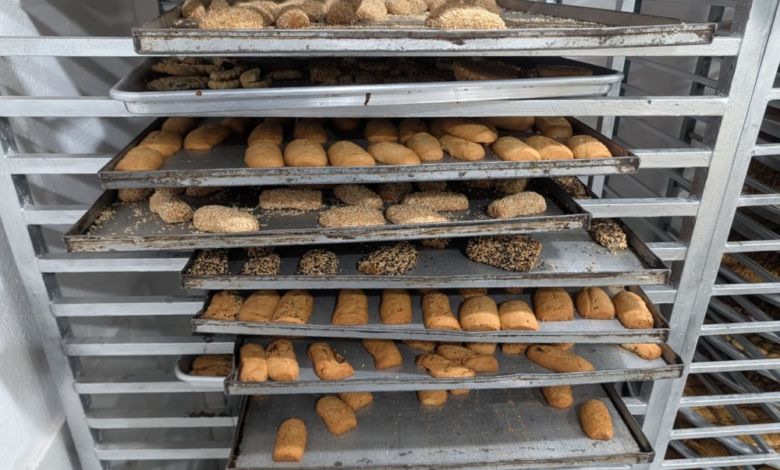
The Jeddah Municipality announced another achievement in its ongoing efforts to protect public health, with its inspection teams seizing and destroying approximately five tons of spoiled food. This decisive action follows the discovery and closure of an unlicensed sweets and bakery operating clandestinely, evading oversight. This operation is part of a series of intensive, joint field campaigns aimed at ensuring food safety for citizens and residents, particularly during peak consumption seasons.
Details of the raid and closure of the illegal factory in Al-Aziziyah neighborhood
The field campaign targeted an illegal site located in the Al-Aziziyah district of Jeddah. This swift action followed meticulous surveillance that revealed the unauthorized use of a residential building's basement, which had been illegally converted into an unlicensed bakery and confectionery workshop. The inspection teams found that the premises lacked even the most basic health and municipal standards required to ensure food safety. These inspection efforts are part of a comprehensive plan implemented by the Jeddah Municipality during the holy month of Ramadan, a month that sees a surge in demand for sweets and baked goods, thus necessitating intensified efforts to protect consumers.
Volume of seizures and observed violations
In detailing the operation, the Director General of the General Administration for Monitoring and Addressing Negative Phenomena, Mr. Yasser bin Siraj Bakhsh, stated that field teams immediately responded to the site upon receiving confirmed reports. The raid resulted in the discovery of serious health violations, including the seizure of approximately 482 kilograms of raw food materials used in the preparation of sweets and baked goods. These materials were of unknown origin and lacked any commercial data or official invoices proving their suitability for consumption.
Furthermore, inspection teams discovered refrigerators and freezers overflowing with pre-prepared food items lacking any production dates or identifying information. Large quantities of ready-made sweets, prepared for distribution in markets, were also found stored in completely unsanitary conditions, with insects infesting the premises and food being handled haphazardly, failing to meet even the most basic hygiene standards.
Regulatory procedures and joint government cooperation
Bakhsh confirmed that the strict field procedures resulted in the complete destruction of the seized quantities, weighing approximately 5 tons, due to their unsuitability for human consumption and the danger they posed to public health. The site was also completely closed by the Al-Aziziyah sub-municipality. Furthermore, the person responsible for this illegal site was apprehended and immediately referred to the relevant authorities to complete all necessary legal and regulatory procedures against him.
This campaign was distinguished by its high level of coordination and the active participation of several relevant government agencies, including the Zakat and Tax Authority, the Customs Authority, the Ministry of Commerce, and the General Directorate of Civil Defense. This fruitful cooperation comes within the framework of joint government efforts to monitor illegal activities and curb irregular commercial practices that harm the national economy and public health.
Strategic dimensions of public health protection in the Kingdom
Historically, the Kingdom of Saudi Arabia has placed great importance on the public health and food safety sector, which aligns directly with the goals of Saudi Vision 2030, aimed at improving the quality of life and providing a safe and healthy environment for all residents. The Ministry of Municipal and Rural Affairs and Housing, through its secretariats and municipalities across the country, plays a pivotal role in enforcing strict laws and regulations on food establishments, particularly given the increasing population density and expanding markets.
The significance of such seizures extends beyond the local level in Jeddah, serving as a deterrent message at the national level to anyone tempted to compromise consumer health for quick profits. The anticipated impact of these campaigns is to bolster consumer confidence in local markets and support legitimate businesses that adhere to health and tax standards, thus fostering a fair and sustainable economic environment. Furthermore, eliminating food corruption directly contributes to reducing the burden on the health sector by preventing foodborne illnesses and cases of food poisoning, reflecting the integrated efforts of institutions to serve the community.