
في إطار الاستعدادات المتكاملة لموسم حج عام 1447هـ، أعلنت أمانة محافظة جدة عن تخصيص خطة تشغيلية شاملة لتهيئة المواقيت المكانية التي تقع ضمن نطاقها الإداري، وتحديداً ميقاتي “يلملم” و”الجحفة”، اللذين يعتبران بوابتين رئيسيتين لاستقبال حجاج بيت الله الحرام القادمين من اتجاهات مختلفة.
وكشفت الأمانة، ممثلة في بلديتي محافظتي “الليث ورابغ”، عن تجهيز فريق عمل مكون من 47 كادراً بشرياً من مختلف التخصصات، مدعوماً بـ 20 معدة وآلية حديثة. ويهدف هذا الفريق إلى تنفيذ أعمال التهيئة والصيانة والنظافة على مدار الساعة، لضمان توفير بيئة صحية وآمنة ومريحة لضيوف الرحمن منذ لحظة وصولهم إلى المواقيت للإحرام وبدء رحلتهم الإيمانية.
الأهمية التاريخية والدينية لميقاتي يلملم والجحفة
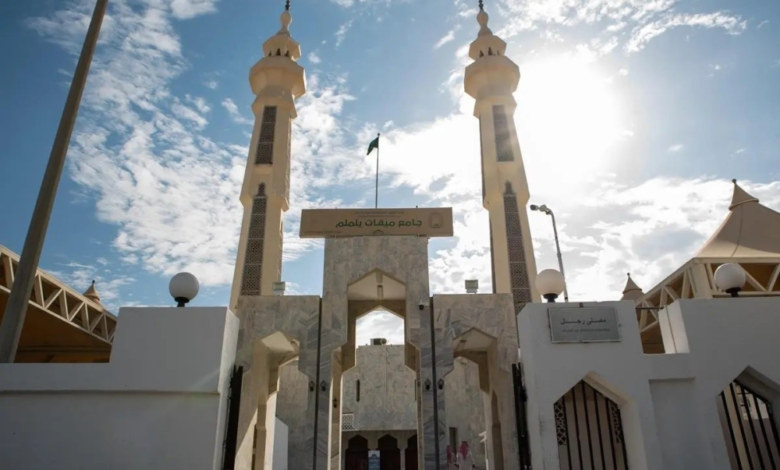
تكتسب هذه الاستعدادات أهمية خاصة نظراً للمكانة الدينية والتاريخية لهذين الميقاتين. فميقات “يلملم”، الواقع جنوب مكة المكرمة، هو الميقات المحدد شرعاً لأهل اليمن وكل من يأتي من تلك الجهة. أما ميقات “الجحفة”، القريب من مدينة رابغ شمال جدة، فهو ميقات أهل الشام ومصر والمغرب العربي ومن يمر في طريقهم. وتُعد هذه المواقيت نقاطاً محورية في رحلة الحج، حيث يتوجب على الحاج عندها أن ينوي الإحرام ويبدأ بالتلبية، مما يجعل جاهزيتها وخدماتها عنصراً حيوياً في تجربة الحاج.
خطة تشغيلية متكاملة لراحة الحجاج
تشمل الخطة التشغيلية التي وضعتها أمانة جدة عدة محاور رئيسية. يرتكز المحور الأول على “النظافة العامة والإصحاح البيئي”، حيث يتم تنفيذ عمليات كنس وتنظيف يومية للمناطق المحيطة بالميقاتين، بما في ذلك المساجد والمرافق العامة ودورات المياه. كما تتضمن الخطة أعمال رش ومكافحة مستمرة للحشرات والآفات الموسمية، مثل البعوض والذباب، لمنع انتشار الأمراض وتوفير بيئة صحية سليمة. ويتم التركيز أيضاً على مراقبة جودة ونظافة المحطات والاستراحات الواقعة على الطرق الدولية المؤدية إلى الميقاتين.
أما المحور الثاني فيتعلق بالرقابة الصحية والتجارية، حيث تمتد أعمال الإشراف لتشمل 19 منشأة تجارية في محيط ميقات يلملم، و10 محطات وقود بمصلياتها، والتي تخضع لـ 25 زيارة تفتيشية أسبوعياً. وفي نطاق ميقات الجحفة، تشمل الرقابة 10 منشآت تجارية، مع إشراف مباشر على صالة ضيافة الحجاج. وتهدف هذه الجولات الرقابية إلى التأكد من سلامة المواد الغذائية المعروضة، والالتزام بالاشتراطات الصحية، ومنع أي ممارسات قد تضر بصحة وسلامة الحجاج.
تأثير الجهود على المستوى الوطني والدولي
تأتي هذه الجهود البلدية كجزء من منظومة عمل وطنية شاملة تقودها حكومة المملكة العربية السعودية لخدمة ضيوف الرحمن، وتنسجم مع أهداف “رؤية المملكة 2030” الرامية إلى تحسين تجربة الحج والعمرة. إن توفير خدمات بلدية عالية الجودة في المواقيت لا يعزز فقط من راحة الحجاج وسلامتهم، بل يعكس أيضاً الصورة الحضارية للمملكة وقدرتها على إدارة وتنظيم أحد أكبر التجمعات البشرية في العالم بكفاءة واقتدار. وعلى الصعيد الدولي، تساهم هذه الاستعدادات في طمأنة ملايين المسلمين حول العالم بأن رحلتهم إلى الأراضي المقدسة ستكون محفوفة بالرعاية والاهتمام منذ خطواتها الأولى.