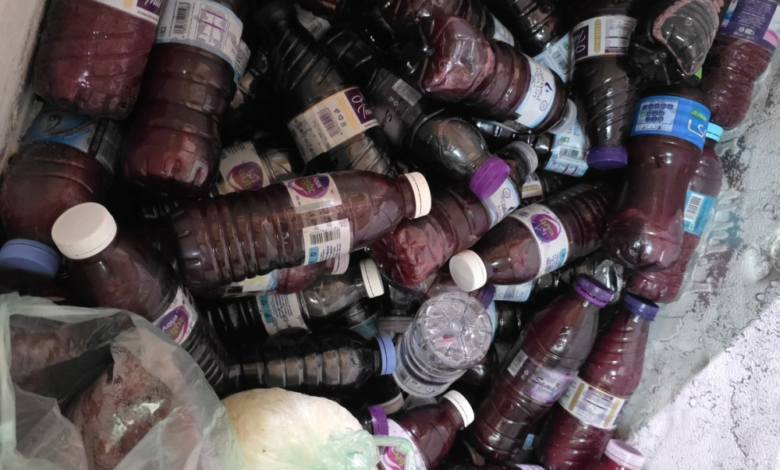

في إطار جهودها المستمرة لتعزيز الصحة العامة وضمان سلامة الغذاء المقدم للمستهلكين، نفذت أمانة محافظة جدة ضربة استباقية نوعية أسفرت عن إتلاف 5 أطنان من اللحوم والمواد الغذائية الفاسدة، وذلك ضمن حملاتها الرقابية المكثفة التي تسبق حلول شهر رمضان المبارك.
تفاصيل المداهمة: شقق سكنية تتحول لمعامل موبوءة
كشفت الفرق الرقابية الميدانية عن تجاوزات خطيرة في أحياء جنوب جدة، حيث استغل مخالفون مبانٍ سكنية لتحويلها إلى أوكار تجارية غير نظامية بعيداً عن أعين الرقابة. وأوضح مدير عام رصد ومعالجة الظواهر السلبية، ياسر بخش، أن الحملة ضبطت عمارة سكنية تم تحويلها بالكامل إلى معمل لتحضير اللحوم وأسياخ "السيريه" في بيئة تفتقر لأدنى اشتراطات النظافة العامة، حيث رصد المراقبون انتشاراً للحشرات وتلوثاً في أدوات التحضير، مما يشكل خطراً داهماً على صحة المستهلكين.
استنفار رقابي استعداداً لموسم رمضان
تكتسب هذه الحملات أهمية قصوى في هذا التوقيت تحديداً، حيث تشهد الأسواق السعودية نشاطاً استهلاكياً متزايداً مع قرب حلول شهر رمضان المبارك. وتعمل الأمانات والبلديات في مختلف مناطق المملكة على تكثيف جولاتها الميدانية لضمان مأمونية الغذاء وتطهير الأسواق من البضائع مجهولة المصدر، وذلك لمنع أي حالات تسمم غذائي أو أضرار صحية قد تنجم عن استهلاك منتجات لا تخضع للمعايير الصحية، خاصة في ظل الإقبال الكبير على المطاعم ومحلات اللحوم خلال الموسم.
تكامل الجهود الحكومية لضبط المخالفين
لم تقتصر الحملة على مصادرة اللحوم الفاسدة فحسب، بل شهدت تعاوناً وثيقاً بين عدة قطاعات حكومية شملت هيئة الزكاة والضريبة والجمارك، ووزارة التجارة، والدفاع المدني، وقوة الضبط الميداني. وقد أسفر هذا التعاون عن:
- ضبط مستودع خفي يضم مقهى غير مرخص يقدم المشروبات ومنتجات التبغ بطرق مخالفة.
- مصادرة وإتلاف 500 قطعة من الأثاث والمعدات المستخدمة في هذه الأنشطة غير النظامية.
- إغلاق 4 محال تجارية تعمل بلا تراخيص، واتخاذ الإجراءات القانونية الصارمة بحق ملاك المباني المتورطين في التستر على هذه المخالفات.
دعوة للمشاركة المجتمعية
وفي ختام بيانها، شددت أمانة جدة على أن المواطن والمقيم هما خط الدفاع الأول والشريك الاستراتيجي في الرقابة، داعية الجميع إلى عدم التردد في الإبلاغ عن أي ملاحظات أو مخالفات صحية عبر تطبيق "بلدي" أو من خلال الاتصال بمركز البلاغات الموحد (940)، مؤكدة أن جولاتها مستمرة لتنظيف الأسواق وضمان بيئة غذائية آمنة للجميع.