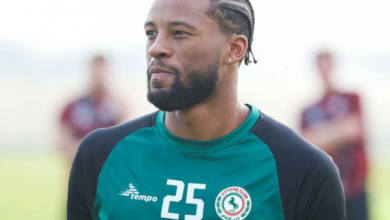
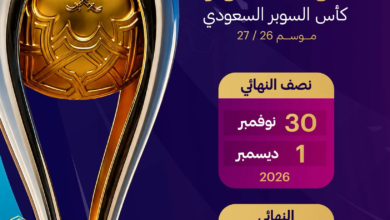
Al-Kholoud captain Hattan Bahebri ignited the atmosphere ahead of the highly anticipated King's Cup final, affirming his team's complete readiness for the historic match. In strong statements during the press conference, Bahebri emphasized that his team's ambitions extend beyond simply reaching the final; they are determined to seize the most prestigious title and lift the golden trophy.
Historical background: The King's Cup and the clash of giants and ambitious teams
The King's Cup, which began in 1957, is the most prestigious and oldest football tournament in Saudi Arabia. Its significance stems from the fact that it brings together clubs from all divisions, opening the door to major upsets and inspiring stories, such as the one being written by Al-Kholoud this season. Reaching the final for a lower-division team is an achievement in itself, adding a special dimension to the tournament, as the ambitions of newly promoted teams clash with the strength and experience of established clubs. In this case, Al-Kholoud faces Al-Hilal, one of the strongest clubs in Asia and the record holder for the most wins in the competition.
A unique challenge and unstoppable ambition
The match holds special significance for Hattan Bahebri, as he will be facing his former team, Al-Hilal, where he spent a significant portion of his career. Despite this, Bahebri emphasized his complete professionalism, stating, "When we step onto the pitch, we will forget all emotions. My focus is entirely on how to win this precious trophy and dedicate it to the club." He added, delivering a strong message to his teammates to overcome any apprehension: "My message to the players is to forget that we are playing against a great team like Al-Hilal; it's 11 men against 11 men on the field. Whoever gives their all and works hard will lift the cup, and God willing, it will be ours.".
Importance and impact: Beyond just a match
The significance of this final extends far beyond its outcome. Domestically, a potential victory for Al-Khulood would be a historic event, inspiring smaller clubs across the Kingdom and demonstrating that ambition and perseverance can overcome technical and financial disparities. For Al-Hilal, a win would solidify their domestic dominance and add another title to their already overflowing trophy cabinet. Internationally, this final highlights the strength and competitiveness of Saudi football, which is no longer limited to the top clubs but is developing at all levels.
Bahbri dreams of playing in the World Cup
Bahebri's ambitions weren't limited to winning the cup; they extended to his career with the Saudi national team. The former international player expressed his strong desire to return to represent the Green Falcons, affirming, "Representing the national team is every player's dream. I participated in two World Cups previously (2018 and 2022), and I aspire to make this my third. I will do everything in my power to achieve that." Shining in a match of this magnitude presents Bahebri with an ideal opportunity to send a powerful message to the national team coach and prove his worthiness to return to the international squad.