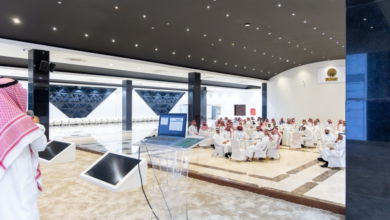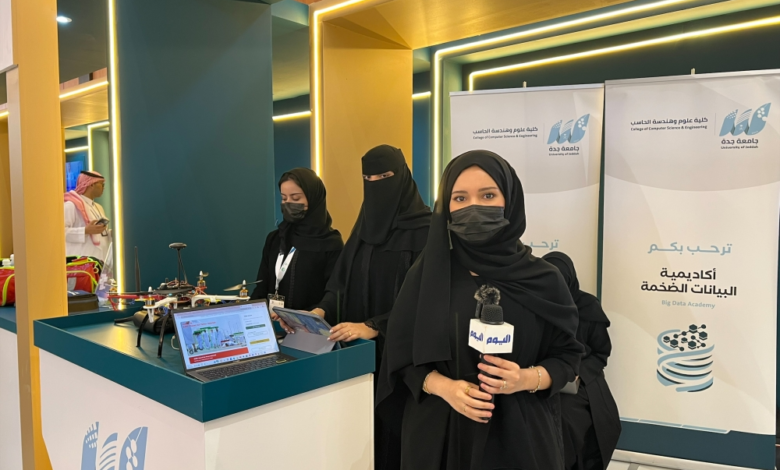

شهد معرض منتدى الصحة والأمن في الحج مشاركة استثنائية لجامعة جدة، حيث خطفت ابتكارات الطالبات الأنظار من خلال تقديم حلول تقنية متطورة. وقد رصدت جولة صحفية كيف تم تسخير التقنيات الحديثة، مثل الذكاء الاصطناعي وطائرات الدرونز، لخدمة ضيوف الرحمن، وذلك في مجالات حيوية تشمل الصحة، الأمن، إدارة الحشود، والتواصل الذكي.
السياق التاريخي والتحول الرقمي في الحج
تاريخياً، تولي المملكة العربية السعودية اهتماماً بالغاً بتطوير منظومة الحج والعمرة. ومع تزايد أعداد الحجاج سنوياً، تحولت الاستراتيجيات من الأساليب التقليدية في إدارة الحشود إلى تبني التحول الرقمي الشامل. وتأتي هذه الابتكارات الطلابية كامتداد طبيعي لبرنامج «خدمة ضيوف الرحمن»، أحد أهم برامج رؤية المملكة 2030، والذي يهدف إلى إحداث نقلة نوعية في تجربة الحاج وتسهيل أداء المناسك بكل يسر وطمأنينة من خلال دمج أحدث ما توصلت إليه التكنولوجيا العالمية.
أهمية الابتكارات وتأثيرها المحلي والدولي
تبرز أهمية هذه المشاريع في تأثيرها المتعدد الأبعاد؛ فعلى الصعيد المحلي، تعكس تمكين الشباب السعودي، وخاصة المرأة، في مجالات العلوم والتقنية. أما على الصعيدين الإقليمي والدولي، فإن نجاح هذه التقنيات في بيئة معقدة ومزدحمة كموسم الحج يقدم نموذجاً عالمياً يُحتذى به في إدارة الحشود المليونية، مما يعزز من مكانة المملكة كدولة رائدة في توظيف التكنولوجيا لضمان سلامة ملايين المسلمين.
إرشادات صحية متكاملة لحجاج بيت الله
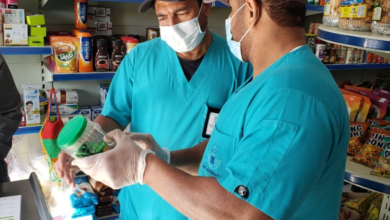
في الجانب الصحي، أكدت الدكتورة إيمان بالبيد، استشارية طب الأسرة بإدارة الخدمات الطبية بجامعة جدة، أن الإدارة تقدم منظومة متكاملة من الخدمات الصحية والتوعوية. تبدأ هذه الخدمات بالتطعيمات الموسمية والأساسية قبل أداء المناسك، وتتوسع لتشمل عيادات تفاعلية تقدم إرشادات دقيقة حول كيفية التعامل مع الأمراض المزمنة كالسكري وضغط الدم. كما تركز الحملات على التوعية بمخاطر الإجهاد الحراري وضربات الشمس، مشددة على مبدأ أن «الحاج الذكي هو الذي يوازن بين صحته وعبادته».
مشروع “بصيرة”: طائرات الدرونز لاكتشاف الطوارئ
من أبرز المشاريع التقنية المعروضة مشروع “بصيرة”، الذي استعرضته الطالبة جود البشري من قسم هندسة الحاسب والشبكات. يعتمد هذا النظام الذكي على طائرات الدرونز وتقنيات الذكاء الاصطناعي لاكتشاف الحالات الطارئة لحظياً. تنطلق فكرة المشروع من الحاجة الماسة لسرعة الاستجابة في البيئات المزدحمة؛ حيث يراقب النظام المواقع من الجو، ويحلل المشاهد باستخدام الرؤية الحاسوبية، ثم يرسل تنبيهات فورية مدعومة بالموقع الجغرافي والبث المباشر للجهات المختصة. يضم فريق العمل الطالبات: جود البشري، أروى باظهير، تالة المشيقح، لينا نور الدين، سجى السواط، ورغد الشهري، بإشراف الدكتورة رشا عطوة.
مشروع “بصير”: تنبؤ ذكي لمنع التدافع
وفي سياق متصل، قدمت الطالبة ريناد المجرشي وفريقها مشروع “بصير”، وهو نظام ذكي مصمم للوقاية من تدافع الحشود. يعمل النظام من خلال تحليل التجمعات البشرية عبر كاميرات المراقبة التقليدية، مستخدماً خوارزميات الذكاء الاصطناعي لرصد المؤشرات الخطرة قبل تفاقمها. ولا يكتفي النظام بالرصد، بل يتنبأ بالمخاطر المحتملة، مما يمنح فرق الأمن وقتاً كافياً للتدخل المبكر تحت شعار «تحذير مبكر، وتدخل أسرع، وأرواح محمية». يشارك في هذا المشروع رغد الثقفي، ميار حنيف، أبرار حبيب الله، وجنى الحربي، بإشراف الأستاذة سحر فوزي.
تجسد هذه المشاركة الفاعلة لجامعة جدة التزام المؤسسات الأكاديمية السعودية بدعم الابتكار وتطوير حلول نوعية ترفع من كفاءة الاستجابة وتعزز جودة الخدمات المقدمة لضيوف الرحمن، بما يتماشى تماماً مع مستهدفات التحول التقني ورؤية المملكة 2030.