
Details of the sound of sirens in occupied Jerusalem
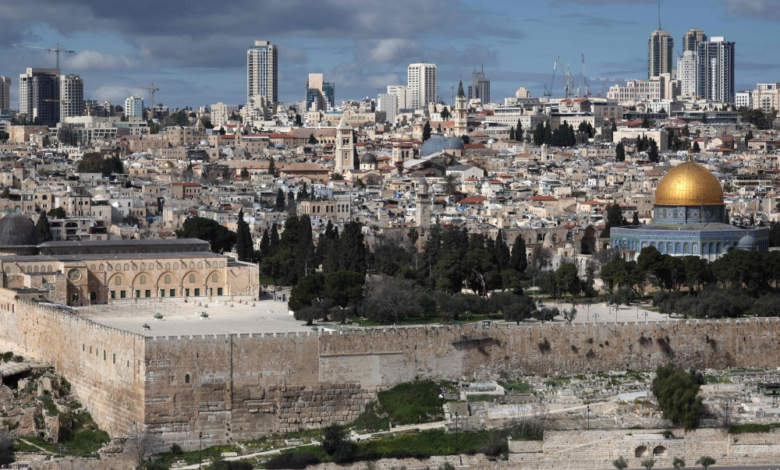
Occupied Jerusalem witnessed an unprecedented state of security alert on Tuesday, as sirens wailed throughout the city and loud explosions were heard. This followed an announcement by the Israeli military that it had detected the launch of ballistic missiles from Iranian territory toward Israel. Israeli air defense systems, including the Iron Dome and David's Sling, quickly engaged the incoming missiles in the skies over the city and surrounding areas, resulting in loud explosions that terrified residents.
Injuries and panic among settlers
In a related development, Israeli ambulance services announced that their medical teams treated a number of injuries. They explained that most cases involved people who sustained minor injuries while rushing to shelters and fortified rooms, in addition to providing medical and psychological support to others who suffered severe panic attacks as a result of the successive explosions. These developments come after recent incidents, including the killing of a man and the wounding of others by rocket shrapnel in the central Israeli city of Yehud on Monday, after explosions rocked the area following an earlier rocket barrage, reflecting the daily escalation of tensions.
The historical context of the Iranian-Israeli conflict
These developments on the ground are an extension of a long history of indirect conflict, or what is known as the “shadow war,” between Tehran and Tel Aviv. For many years, the two sides exchanged cyberattacks and limited targeting operations in third countries, in addition to targeting shipping lanes. However, 2024 witnessed a dangerous strategic shift, marked by the confrontation becoming overt through direct missile strikes. This direct escalation came as a reciprocal response to attacks targeting key figures and sensitive diplomatic and military sites, thus breaking the traditional rules of engagement that had prevailed in the Middle East for decades.
Local, regional and international impacts
Domestically, these rocket attacks are placing immense pressure on the Israeli home front, disrupting daily life, closing schools, and significantly impacting the economy as residents remain in shelters for extended periods. Regionally, the firing of Iranian missiles toward the occupied territories further complicates the security landscape in the Middle East and raises the specter of a wider conflict, particularly given the ongoing tensions and wars in the Gaza Strip and southern Lebanon.
Internationally, these events are causing grave concern within the international community, particularly the United States, which has quickly bolstered its military presence in the region to support its ally Israel with advanced defense systems. Calls for restraint and the avoidance of a full-blown regional war, which could threaten global energy security and international shipping, continue to pour in from the United Nations and European countries. This makes the event a pivotal turning point in the history of the conflict in the Middle East and places the entire region on a knife's edge.