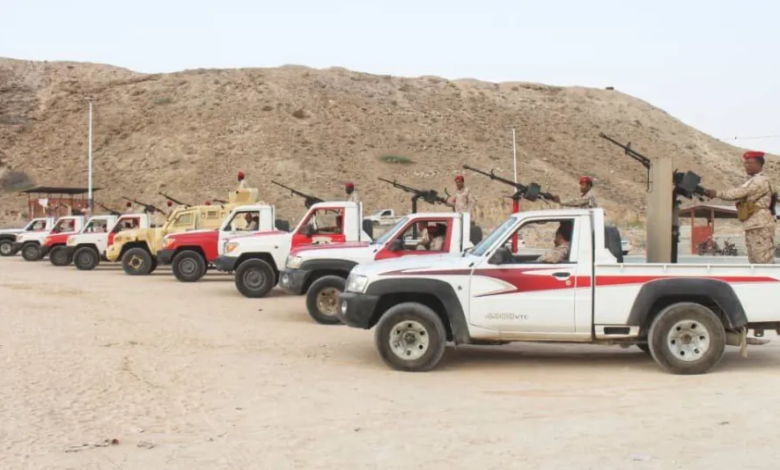
تمكنت القوات المشتركة، مدعومة بغطاء جوي ولوجستي من التحالف العربي، من إحكام سيطرتها الكاملة على مقر قيادة المنطقة العسكرية الثانية في مدينة المكلا بساحل حضرموت. وتأتي هذه الخطوة الحاسمة تتويجاً لعمليات عسكرية مكثفة استهدفت تطهير المدينة والمناطق المحيطة بها من عناصر تنظيم القاعدة، الذي كان يتخذ من المقر مركزاً رئيسياً لإدارة عملياته في المنطقة.
وأفادت مصادر ميدانية بأن عملية السيطرة تمت بمهنية عالية وتنسيق دقيق بين مختلف الوحدات العسكرية، حيث نجحت القوات في تأمين محيط المعسكر والانتشار في النقاط الحيوية داخله، مما أجبر العناصر الإرهابية على الفرار. ويعد استعادة هذا المقر العسكري رمزاً لعودة هيبة الدولة وسلطتها على المؤسسات السيادية في المحافظة، وخطوة أولى نحو استعادة الاستقرار الأمني والخدمي للمدينة الساحلية.
General context and historical background
لفهم أهمية هذا الحدث، يجب العودة إلى الوراء قليلاً، وتحديداً إلى أبريل 2015، حين استغل تنظيم القاعدة في جزيرة العرب حالة الفراغ الأمني والسياسي الناجمة عن الانقلاب والحرب في اليمن، ليبسط سيطرته على مدينة المكلا. طوال عام كامل، حول التنظيم المدينة إلى ما يشبه “الإمارة” المستقلة، حيث سيطر على الميناء والمطار والمؤسسات الحكومية، وقام بنهب البنك المركزي، مما وفر له موارد مالية ضخمة مكنته من تجنيد العناصر وشراء الولاءات.
Strategic and economic importance
تكتسب مدينة المكلا أهمية استراتيجية قصوى كونها عاصمة محافظة حضرموت، كبرى محافظات اليمن مساحة، وتضم ميناءً حيوياً يطل على بحر العرب. إن طرد التنظيمات الإرهابية من مقر المنطقة العسكرية الثانية لا يعني فقط نصراً عسكرياً، بل هو نصر اقتصادي وأمني بامتياز. فالسيطرة على المكلا تعني قطع شريان التمويل الرئيسي للتنظيم الذي كان يعتمد على عائدات الميناء والتهريب، كما تؤمن خطوط الملاحة الدولية في بحر العرب من أي تهديدات إرهابية محتملة.
Regional and international impact
على الصعيدين الإقليمي والدولي، يبعث هذا الانتصار برسالة قوية مفادها أن الحرب على الإرهاب تسير جنباً إلى جنب مع جهود استعادة الشرعية في اليمن. وقد لعبت دول التحالف العربي، وتحديداً المملكة العربية السعودية ودولة الإمارات العربية المتحدة، دوراً محورياً في تدريب وتجهيز قوات النخبة الحضرمية التي قادت هذه العملية. ويؤكد هذا الحدث التزام التحالف والمجتمع الدولي بمنع تحول اليمن إلى ملاذ آمن للجماعات المتطرفة التي تهدد الأمن والسلم العالميين، مما يمهد الطريق لمرحلة جديدة من إعادة الإعمار والتنمية في المناطق المحررة.