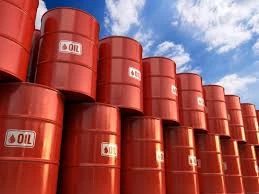

أعلن مسؤول أردني رفيع المستوى عن خطوة استراتيجية هامة في قطاع الطاقة، تتمثل في استيراد بلاده مليوني برميل من النفط الخام من شركة أرامكو السعودية. وقد تمت هذه العملية بنجاح عبر ميناء ينبع الاستراتيجي الواقع على ساحل البحر الأحمر. وتأتي هذه الخطوة في ظل مساعي المملكة الأردنية الهاشمية لتنويع مصادر الطاقة وضمان استقرار الإمدادات النفطية لتلبية الاحتياجات المحلية المتزايدة في مختلف القطاعات الاقتصادية.
وفي تصريحات أدلى بها المسؤول لقناة «العربية»، أكد أن شحنات الغاز الطبيعي المسال تصل إلى الأردن من ميناء ينبع بشكل مستمر ومنتظم، دون مواجهة أي عقبات أو مشكلات لوجستية. هذا التدفق السلس يعكس متانة البنية التحتية اللوجستية بين البلدين، ويؤكد على دور المملكة العربية السعودية كمورد موثوق للطاقة على المستويين الإقليمي والدولي.
الأهمية الاستراتيجية لخط أنابيب شرق-غرب
تعتمد شركة «أرامكو السعودية» في ضخ النفط الخام إلى ميناء ينبع على خط أنابيب شرق-غرب، والذي يمتد لمسافة تبلغ نحو 1200 كيلومتر عبر أراضي المملكة. يهدف هذا الخط الحيوي إلى الحفاظ على تدفق الإمدادات النفطية للأسواق العالمية والإقليمية، وتعويض أي توقف أو تعطل شبه كامل قد يشهده مضيق هرمز الاستراتيجي نتيجة للصراعات والتوترات الجيوسياسية المستمرة في المنطقة.
الخلفية التاريخية لإنشاء الخط
يعود تاريخ إنشاء خط أنابيب شرق-غرب إلى ثمانينيات القرن الماضي. فقد تم التخطيط له وبناؤه استجابة للمخاوف المتزايدة من احتمالية إغلاق مضيق هرمز خلال ما عُرف بـ «حرب الناقلات» إبان الحرب العراقية الإيرانية. ومنذ ذلك الحين، أثبت هذا الخط أهميته البالغة كشريان حيوي بديل وآمن، حيث ينقل حالياً نحو 7 ملايين برميل يومياً من حقول المنطقة الشرقية إلى ميناء ينبع على البحر الأحمر، متجاوزاً بذلك مضيق هرمز بالكامل ومقللاً من المخاطر الأمنية المرتبطة به.
التأثير المتوقع والأبعاد الاقتصادية
وكانت شركة أرامكو قد أوضحت في العاشر من مارس الماضي أن الطاقة الاستيعابية لخط الأنابيب تسمح بضخ ما يصل إلى 7 ملايين برميل يومياً. ومن هذا الإجمالي، يمكن تخصيص نحو 5 ملايين برميل يومياً لأغراض التصدير للأسواق الخارجية، في حين يتم توجيه الكميات المتبقية لتلبية احتياجات المصافي المحلية داخل السعودية.
تتزامن هذه التطورات مع اقتراب صادرات النفط الخام السعودي عبر ميناء ينبع من بلوغ الطاقة القصوى للميناء. إن تسليط الضوء مجدداً على هذا الميناء وخط الأنابيب المغذي له يأتي في وقت حرج تشهد فيه خطوط الملاحة العالمية تحديات أمنية غير مسبوقة. على المستوى المحلي للأردن، يضمن هذا التعاون استقراراً في أسعار الطاقة وتوفراً مستمراً للوقود اللازم لتشغيل قطاعات الصناعة. أما إقليمياً ودولياً، فإن نجاح السعودية في تحويل مسار جزء كبير من صادراتها يعزز من أمن الطاقة العالمي، ويطمئن الأسواق الدولية بقدرة كبار المنتجين على التكيف مع الأزمات وتوفير بدائل آمنة.