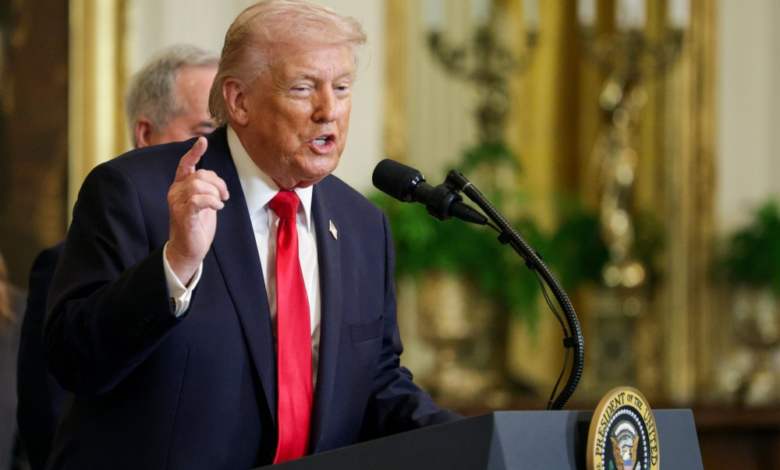
Trump threatens Iran with devastating strikes if it closes the Strait of Hormuz

Trump issues unprecedented warning to Iran regarding the Strait of Hormuz
In a new escalation of tensions between Washington and Tehran, former US President Donald Trump issued a stark warning to Iran, threatening a devastating military response should Tehran take any action to disrupt the flow of global oil through the strategic Strait of Hormuz. These remarks come amid escalating geopolitical tensions in the Middle East, raising widespread concerns about global energy security.
Details of the American threat: Strikes 20 times more powerful
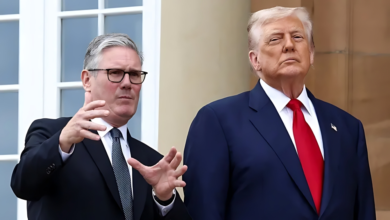
On his official Truth Social account, Trump asserted that any Iranian attempt to halt oil shipments through the Strait of Hormuz would be met with unprecedented American strikes, describing them as “20 times more devastating” than any previous attacks on Tehran. Not content with this, Trump added decisively, “Death, fire, and fury will befall Iran if they stop the flow of oil through the Strait of Hormuz.” He indicated that American forces might target what he termed “soft targets,” which could cripple Tehran’s ability to rebuild its infrastructure for decades to come.
The strategic importance of the Strait of Hormuz and its global impact
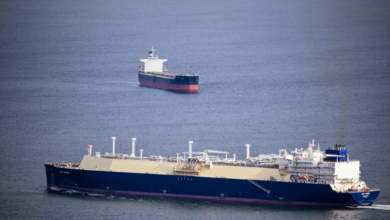
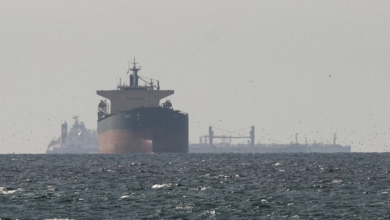
To understand the magnitude of this warning, one must consider the geopolitical and economic importance of the Strait of Hormuz. This waterway, connecting the Persian Gulf, the Gulf of Oman, and the Arabian Sea, is the world's most important oil transit chokepoint. Approximately one-fifth of global oil production, roughly 20 to 21 million barrels per day, passes through it daily. Many major economic powers, most notably China, India, Japan, and South Korea, rely almost entirely on this strait for their energy security. Trump, in his remarks, described protecting this strait as a "gift" from the United States to the world, expressing his hope that any military escalation that could lead to a global economic catastrophe could be avoided.
The historical context of tensions in the Gulf waters
Historically, the mutual threats to close the Strait of Hormuz are not a recent phenomenon. Since the “Tanker War” of the 1980s during the Iran-Iraq War, Tehran has used the strait as leverage to pressure the international community. In 2019, the region witnessed a series of mysterious attacks on commercial oil tankers off the coast of the UAE and in the Gulf of Oman, for which Washington pointed the finger at the Iranian Revolutionary Guard. These incidents prompted the United States to bolster its military presence, with the US Fifth Fleet based in Bahrain to ensure freedom of navigation and protect supply lines.
The economic repercussions of any potential lockdown
Economically, any disruption, however partial, to shipping through the Strait of Hormuz would trigger an immediate shock to energy markets. Experts predict that oil prices could surpass $100 a barrel at a record pace, leading to a global inflationary wave that would affect both developed and emerging economies. At a press conference in Florida, Trump underscored this point, stating, “I will not allow a terrorist regime to hold the world hostage and try to stop the world’s oil supply.” He emphasized that any such action would be met with a “much stronger response,” reflecting a firm American commitment to preventing the use of oil as a political weapon.
In conclusion, these statements reflect Trump’s continued hardline approach towards Iran, and confirm that the security of the Strait of Hormuz will remain a red line in the American strategy, regardless of the ruling administration, given its close connection to the stability of the global economy and American and international national security.