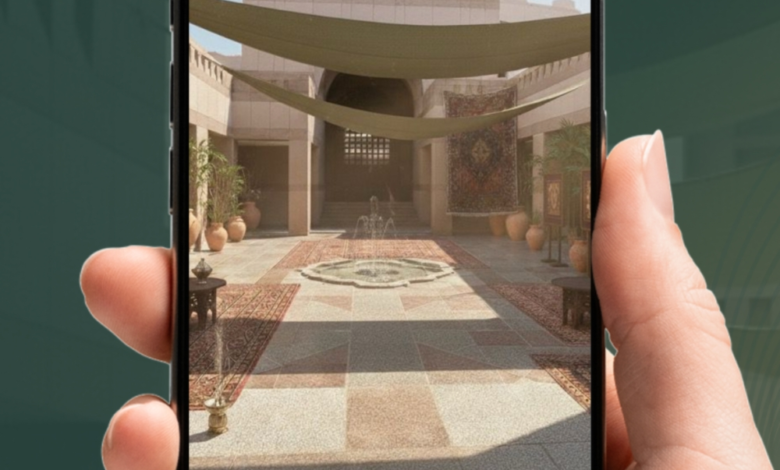

تنطلق غدًا فعاليات معرض «عبق الماضي»، الذي تنظمه جامعة الملك عبدالعزيز ممثلة في كلية العمارة والتخطيط – قسم الجيوماتكس، في خطوة رائدة تهدف إلى دمج الأصالة المعمارية بأحدث التقنيات الرقمية. يأتي هذا الحدث في إطار جهود الجامعة المستمرة لتعزيز التكامل بين التعليم الأكاديمي والتطبيق العملي، وتسليط الضوء على جماليات العمارة السعودية التقليدية من منظور علمي متطور.
دمج التراث بتقنيات المستقبل
يتميز المعرض هذا العام بتركيزه الفريد على استكشاف الأبعاد البيئية والثقافية للعمارة المحلية من خلال توظيف تقنيات نظم المعلومات الجيومكانية (GIS) والذكاء الاصطناعي (AI). وتعد هذه الخطوة نقلة نوعية في أساليب توثيق التراث، حيث لم يعد الحفاظ على المباني التاريخية يقتصر على الترميم المادي فحسب، بل امتد ليشمل التوثيق الرقمي الدقيق الذي يحفظ ذاكرة المكان للأجيال القادمة. يعكس هذا التوجه مستوى التأهيل العالي لطلاب الكلية وقدرتهم على تطويع المعرفة العلمية لخدمة التراث الوطني، مما يبرز دور الجامعة كمنارة إشعاع حضاري وعلمي.
التنوع المعماري والهوية الوطنية
تزخر المملكة العربية السعودية بتنوع جغرافي وثقافي فريد انعكس بشكل مباشر على أنماطها العمرانية، من العمارة النجدية الطينية في الوسط، إلى العمارة الحجازية المميزة بالرواشين في الغرب، وصولًا إلى العمارة الحجرية في الجنوب. يسعى معرض «عبق الماضي» لاستعراض نماذج من مشاريع طلاب جامعة الملك عبدالعزيز التي تجسد هذه الهوية المعمارية المتنوعة. كما يتضمن المعرض عروضًا تفاعلية تشرح تأثير البيئة الطبيعية والمناخ في تشكيل هذه الطرز العمرانية، مما يتيح للزوار تجربة معرفية وثقافية متكاملة تربط الماضي بالحاضر.
دعم مستهدفات رؤية المملكة 2030
يأتي تنظيم هذا المعرض متناغمًا تمامًا مع مستهدفات رؤية المملكة 2030، وتحديدًا فيما يتعلق ببرنامج جودة الحياة وتعزيز الهوية الوطنية. فمن خلال ربط المعرفة الأكاديمية بالتطبيقات العملية في مجالات الاستدامة والسياحة البيئية، تساهم الجامعة في إعداد جيل من المعماريين والمخططين القادرين على التعامل مع تحديات المستقبل مع الحفاظ على الجذور الثقافية. ويعد توثيق التراث العمراني باستخدام التقنية الحديثة ركيزة أساسية في تنشيط السياحة الثقافية، وجعل المواقع التراثية وجهات جاذبة للزوار من الداخل والخارج.
منصة تعليمية وتفاعلية للمجتمع
من المتوقع أن يشهد المعرض حضورًا واسعًا، لا سيما من طلاب المدارس بمحافظة جدة، حيث يمثل المعرض فرصة ذهبية لتنمية وعيهم المبكر بعلوم العمران والجيوماتكس. وأوضح الدكتور ريان سحاحيري، أستاذ المقرر والمشرف على المعرض، أن هذه المبادرة تهدف إلى تقديم قراءة حديثة للعمارة التقليدية عبر أدوات التحليل المكاني، مما يسهم في رفع جودة المشاريع العمرانية المستقبلية وإثراء التجارب السياحية. ويؤكد المعرض بذلك دوره كمنصة تعليمية تجمع بين البحث العلمي والإبداع الطلابي، مرسخًا أهمية التراث كأحد مقومات التنمية المستدامة.