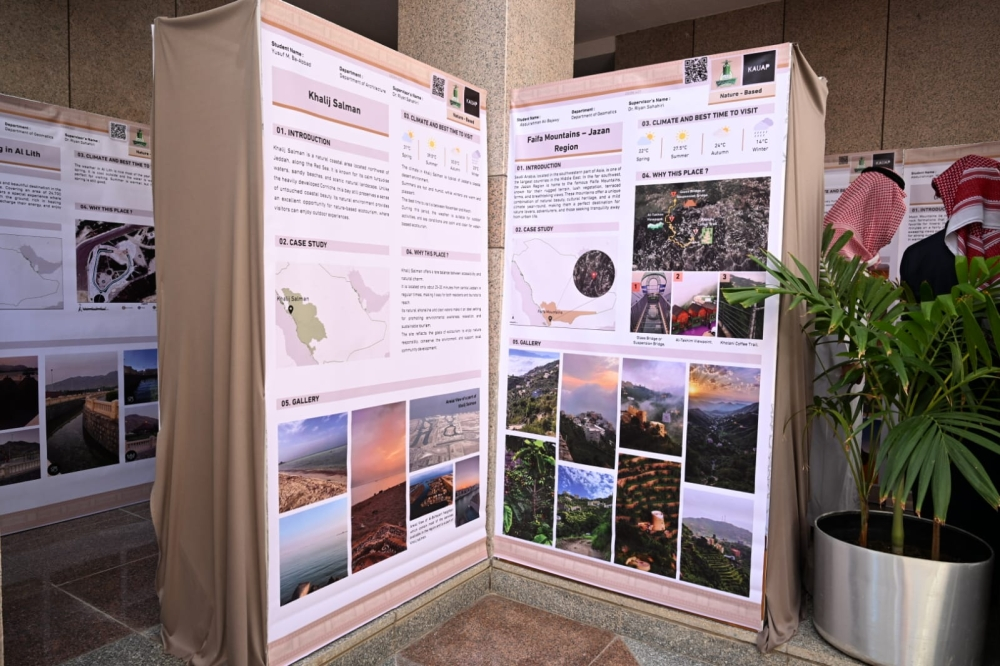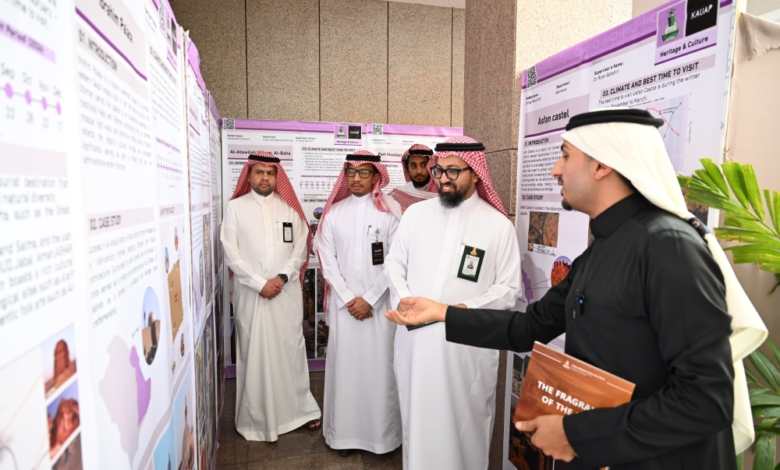

في خطوة رائدة تدمج بين أصالة الماضي وتطور تقنيات المستقبل، افتتحت جامعة الملك عبدالعزيز ممثلة في كلية العمارة والتخطيط، معرض «عبق الماضي» الذي ينظمه قسم الجيوماتكس. يهدف المعرض إلى توثيق الهوية المعمارية السعودية باستخدام أحدث تقنيات الذكاء الاصطناعي ونظم المعلومات الجيومكانية، وذلك بحضور الأستاذ الدكتور محمد كابلي، نائب رئيس الجامعة للشؤون التعليمية، ولفيف من القيادات الأكاديمية والطلابية.
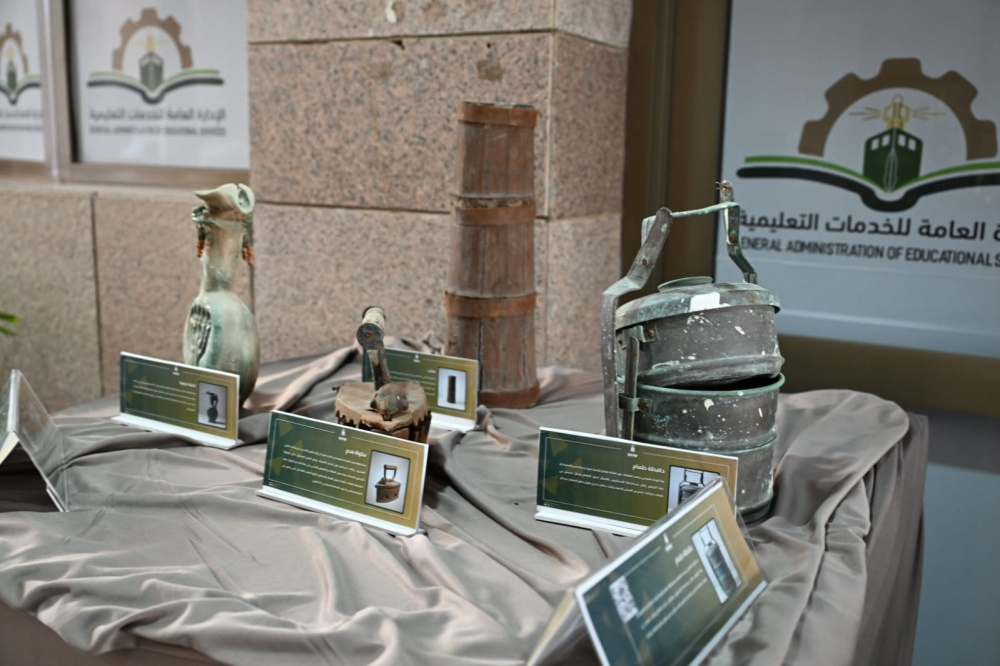
التراث المعماري ورؤية المملكة 2030
يأتي هذا المعرض في سياق وطني هام يتزامن مع مستهدفات رؤية المملكة 2030، التي تولي اهتماماً بالغاً بالتراث الوطني كجزء لا يتجزأ من الهوية السعودية الراسخة. وتعد العمارة السعودية التقليدية، بتنوعها الفريد من الطراز الحجازي في الغرب إلى النجدي في الوسط وغيرهما، شاهداً حياً على قدرة الإنسان السعودي على تطويع البيئة لخدمة احتياجاته. ومن هنا، تبرز أهمية مبادرة جامعة الملك عبدالعزيز في استخدام التقنية ليس فقط للأرشفة، بل لاستلهام حلول مستدامة من الماضي وتطبيقها في مشاريع المستقبل، مما يعزز من مكانة المملكة كوجهة ثقافية وسياحية عالمية.
دمج التقنية بالأصالة
سلط المعرض الضوء على جماليات العمارة السعودية التقليدية، مستعرضاً أبعادها البيئية والثقافية عبر توظيف تقنيات متقدمة. وقد تمكن طلاب قسم الجيوماتكس من استخدام أدوات التحليل المكاني والنمذجة الرقمية لإنشاء محاكاة دقيقة للمباني التراثية. وتساهم هذه التقنيات في:
- الحفاظ على الأصول التراثية من الاندثار عبر التوثيق الرقمي ثلاثي الأبعاد.
- تحليل المواد المستخدمة قديماً وكيفية تعاملها مع المناخ، مما يفيد في دراسات الاستدامة الحديثة.
- تقديم تجربة بصرية غنية للزوار تدمج بين الواقع والخيال الرقمي.
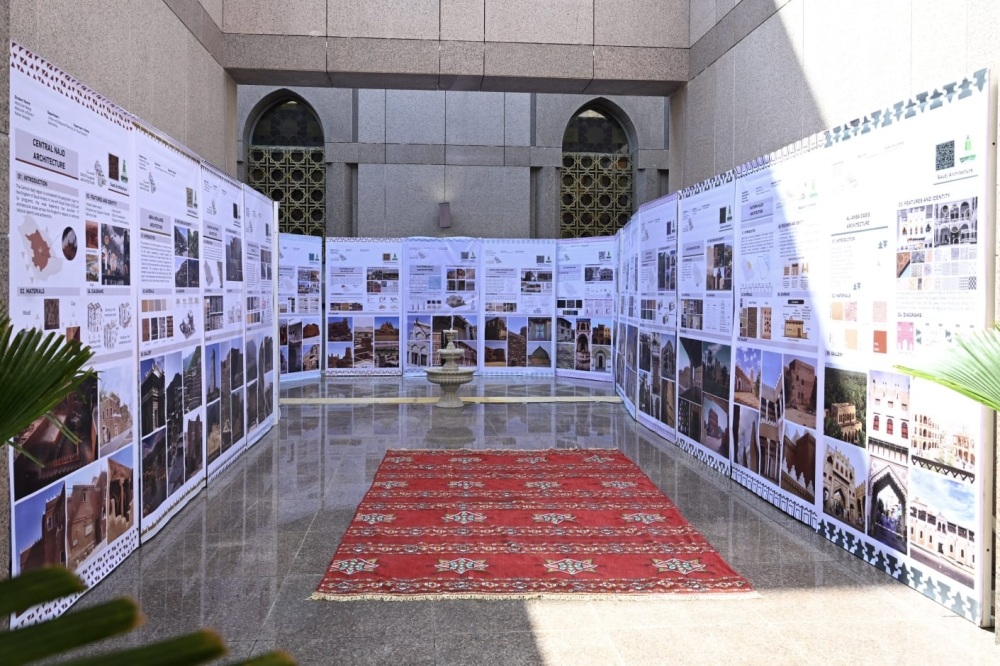
تفاعل مجتمعي وتعليمي
لم يقتصر المعرض على الجانب الأكاديمي فحسب، بل امتد ليشمل الجانب التوعوي والمجتمعي، حيث استقبلت أروقة المعرض وفوداً طلابية من مدارس محافظة جدة. اطلع الطلاب على نماذج ومشاريع تجسد الهوية المعمارية للمناطق السعودية بأسلوب يحاكي الواقع بدقة متناهية. وقدم طلاب الجامعة لزوارهم عروضاً تفاعلية متقدمة تعرّف بالطرز العمرانية الإقليمية، وتكشف أثر البيئة الطبيعية في تشكيل النسيج العمراني المحلي.
وأوضح المشرف على المعرض، الدكتور ريان سحاحيري، أن الحدث يهدف لتقديم قراءة عصرية للعمارة التقليدية باستخدام أدوات التحليل المكاني والتوثيق الرقمي الدقيق للأصول التراثية، مؤكداً أن هذه المنهجية العلمية تساهم في رفع جودة المشاريع العمرانية المستقبلية.
مستقبل العمارة والجيوماتكس
يعكس هذا الحراك الأكاديمي التزام جامعة الملك عبدالعزيز بتخريج كوادر وطنية مؤهلة قادرة على استخدام أحدث التقنيات العالمية لخدمة قضايا الوطن. ويمنح إشراك طلاب المدارس في هذه الفعالية فرصة مبكرة ونادرة للتعرف على علوم العمران والجيوماتكس، مما يغرس فيهم الوعي بالتراث المعماري من منظور علمي وتقني معاصر، ويحفزهم ليكونوا جزءاً من نهضة المملكة العمرانية والحضارية.