
Introduction to the current disaster
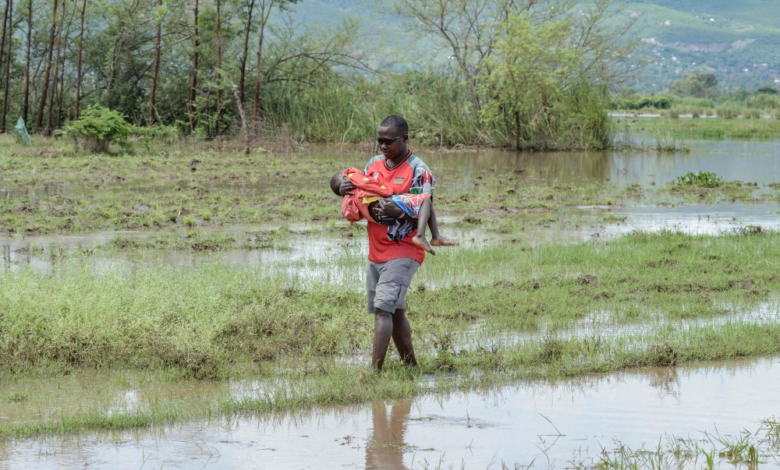
Natural disasters continue to plague the Horn of Africa, with devastating floods in Kenya, triggered by torrential and persistent rains, claiming the lives of at least 81 people. This humanitarian catastrophe has not only resulted in a tragic loss of life but also widespread destruction of infrastructure and property, presenting the Kenyan government and the international community with significant challenges in addressing the escalating crisis as rains continue to fall across much of the country.
Details of the losses and extent of the damage
According to Agence France-Presse, Kenyan National Police spokesman, Meshiri Nyaga, stated in an official statement that the cumulative death toll from the disaster has risen to 81. Nyaga added that flash floods swept through several areas, displacing approximately 2,690 families who were forced to flee their flooded homes. These torrential rains have caused widespread damage to essential infrastructure, including roads and bridges, hindering rescue efforts and the delivery of humanitarian aid to those affected in isolated areas.
The climatic and historical context of flooding in Kenya
To understand the scale of this disaster, one must consider the region's climatic and historical context. Kenya, and East Africa in general, experiences extreme climatic fluctuations, oscillating between severe droughts and devastating floods. These current heavy rains are closely linked to the El Niño climate phenomenon, which typically leads to warmer ocean surface temperatures and altered global rainfall patterns. Historically, Kenya experienced similar disasters in the late 1990s and in 2006 and 2015, when El Niño brought significantly higher than normal rainfall, causing widespread devastation.
Local and regional impact of the crisis
Domestically, these floods are a severe blow to the Kenyan economy, particularly the agricultural sector, which is the primary source of income for millions. Vast areas of farmland have been inundated, threatening food security in the coming months. Furthermore, the stagnant water increases the risk of outbreaks of waterborne diseases such as cholera and malaria, placing immense strain on the healthcare system. Regionally, these extreme weather conditions are not confined to Kenya alone, but extend to neighboring countries like Somalia and Ethiopia, which are also experiencing devastating floods, further complicating international relief efforts in the region.
International repercussions and the role of the international community
At the international level, this disaster has once again highlighted the issue of climate change and its disproportionate impact on developing countries. Although African countries contribute a very small percentage to global carbon emissions, they bear the brunt of the consequences of global warming. This reality places a responsibility on the international community and humanitarian organizations to provide urgent financial and technical support to Kenya, not only for immediate relief but also to build infrastructure capable of withstanding future climate changes.