The assassination of Khamenei and the beginning of a transitional phase in Iran: Full details

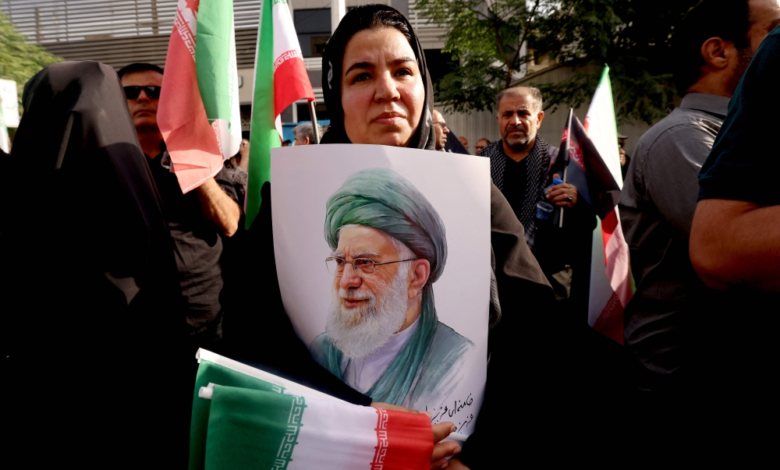
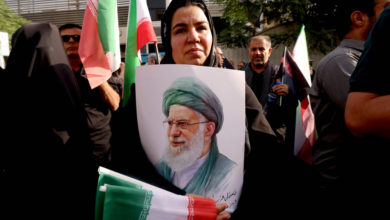
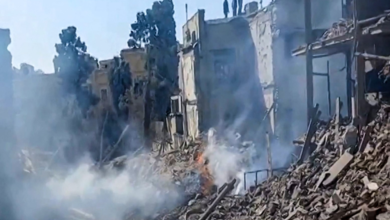
In a dramatic development that places the Middle East at a critical historical juncture, Ali Larijani, Secretary of Iran's Supreme National Security Council, officially announced the death of Supreme Leader of the Islamic Revolution, Ali Khamenei, following joint US-Israeli airstrikes targeting his residence. Iranian state television confirmed the news, indicating that the country would begin a delicate transitional phase starting Sunday, amid intense domestic and international anticipation regarding the unfolding events in Tehran.
Details of the incident and the transitional phase
Larijani explained in his statement that the attack not only killed the Supreme Leader, but that Iranian media reports indicated casualties among his family members, including his daughter, her husband, and his granddaughter. In light of this sudden leadership vacuum, Larijani announced the activation of emergency constitutional procedures, whereby a "temporary leadership council" would be formed as soon as possible. This council, composed of the president, the head of the judiciary, and a member of the Guardian Council, would manage the affairs of the country and assume the duties of the Supreme Leader until a new one is elected, thus ensuring the continued functioning of state institutions and preventing any constitutional crisis.
The constitutional context and the mechanism for choosing the Caliph
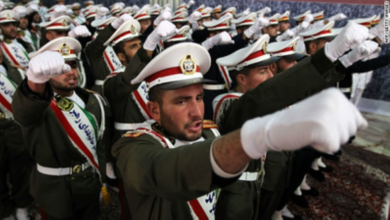
These developments are based on the Iranian constitution, which regulates the succession process in the event of the Supreme Leader's death or incapacitation. This moment represents a true test for the Assembly of Experts, the body constitutionally empowered to appoint the new Supreme Leader. This event carries historical significance comparable to the death of the Islamic Republic's founder, Ruhollah Khomeini, in 1989, as the world watches to see whether the transition will proceed smoothly or be fraught with tensions between different political factions within the regime, particularly between conservatives and reformists, in addition to the role of the Islamic Revolutionary Guard Corps in this complex equation.
International reactions and Trump's statements
Internationally, the United States was quick to comment on the event, with former US President Donald Trump writing on his Truth Social platform, describing Khamenei's killing as "justice being served." Trump stated in his post: "Khamenei is dead. This is not just justice for the people of Iran, but for all the great Americans and those people from many countries around the world who have been killed or maimed by Khamenei," reflecting the extent of the accumulated tension and hostility between Washington and Tehran.
Expected regional and geopolitical repercussions
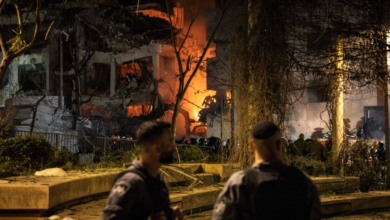
This event is expected to cast a long shadow over the region's geopolitical landscape. Regionally, Khamenei's absence could lead to a reshaping of the strategies of the "axis of resistance" and the factions allied with Tehran. Furthermore, the military nature of the operation (US-Israeli strikes) raises the level of preparedness for potential military escalation or retaliatory actions. The most pressing question remains the future of Iran's nuclear program and Tehran's foreign policy under the new leadership that will emerge from this critical transitional phase.