The Kadana station in Makkah serves 7.1 million beneficiaries during Ramadan

In a remarkable achievement reflecting the ongoing development in crowd management and serving pilgrims, Kadana Development and Investment Company, the executive arm of the Royal Commission for Makkah City and the Holy Sites, announced record operational figures during the holy month of Ramadan. These results confirm the success of strategic plans aimed at facilitating the movement of Umrah pilgrims and worshippers, with the number of beneficiaries of Kadana Station services exceeding 7.1 million, highlighting the vital role the station plays in Makkah's transportation system.
General context and the Kingdom's Vision 2030
These tremendous efforts are part of the Saudi Vision 2030, which prioritizes serving pilgrims and aims to host 30 million Umrah pilgrims annually. The Royal Commission for Makkah and the Holy Sites, through its subsidiary, Kadana Company, is working to enhance the quality of life and enrich the religious and cultural experience for visitors to the Grand Mosque. Developing the infrastructure of the Holy Sites is not a recent development, but rather a continuation of the Kingdom of Saudi Arabia's long-standing efforts to ensure the comfort and safety of pilgrims and Umrah performers from all corners of the globe.
Operational figures reflecting crowd management efficiency
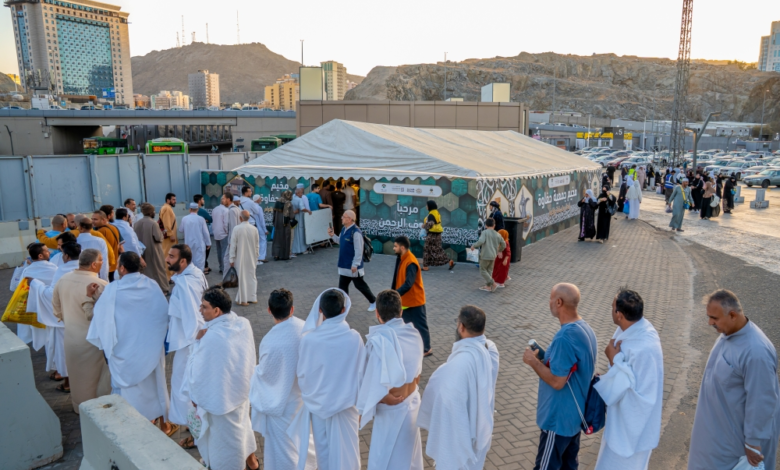
Operational indicators for the Kadana station revealed that over 7,163,415 people benefited from the shuttle bus services. The station operated around the clock as a vital hub for transporting worshippers and pilgrims to and from the Grand Mosque with ease and convenience. To achieve this, a fleet of 260 modern buses was deployed, completing over 133,700 shuttle trips. This advanced operational model reflects high efficiency in managing the millions of people and ensures smooth transportation during peak times in the Ramadan season, which witnesses immense human density.
Humanitarian initiatives and social solidarity
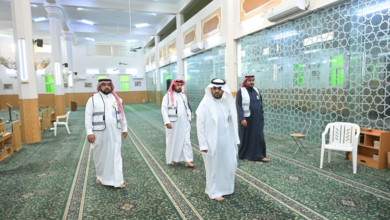
The efforts of the Kadana Company were not limited to operational and logistical aspects; their profound impact extended to the humanitarian and social spheres. 558,541 people benefited from the breakfast meals provided by the Hafawa Association within the Kadana station. In a related effort, the Waqf of the Holy City contributed to the distribution of 4,750 breakfast meals along the Kadana route. These efforts coincided with the preparation and implementation of field prayer areas in cooperation with the Manasik Association, a shining example reflecting the integration of community and institutional efforts to serve the pilgrims and provide a comprehensive spiritual environment.
Revitalizing historical and cultural sites
In its efforts to enhance visitor experiences and promote destinations, Kadana revitalized several vital and historical sites during the holy month. These included the Kadana Trail and the historic Ain Zubayda spring, one of the greatest Islamic endowments that has provided water to pilgrims for centuries. The Jamarat facility was also featured, with cultural, entertainment, and historical programs designed for various age groups. These destinations attracted over 19,000 visitors, reflecting the growing interest in culturally and historically significant experiences.
Expected impact and sustainable transformation
Today, the Kadana Trail is one of the most prominent integrated destinations, offering visitors a walking and relaxation experience in a world-class environment. The Jamarat Facility Exhibition provides interactive educational content showcasing the facility's history and architectural development to ensure the safety of pilgrims, while the Ain Zubaydah events highlight its rich historical significance. These indicators and successes reflect Kadana Company's strategic direction towards transforming the Holy Sites into vibrant, sustainable destinations year-round, not just during the Hajj and Umrah seasons. This transformation contributes to raising the quality of services provided and enhances the human and cultural dimension of the site, leaving a significant positive impact locally by creating job opportunities and developing infrastructure, and regionally and internationally by presenting a leading and innovative Saudi model for managing holy cities and large population gatherings.