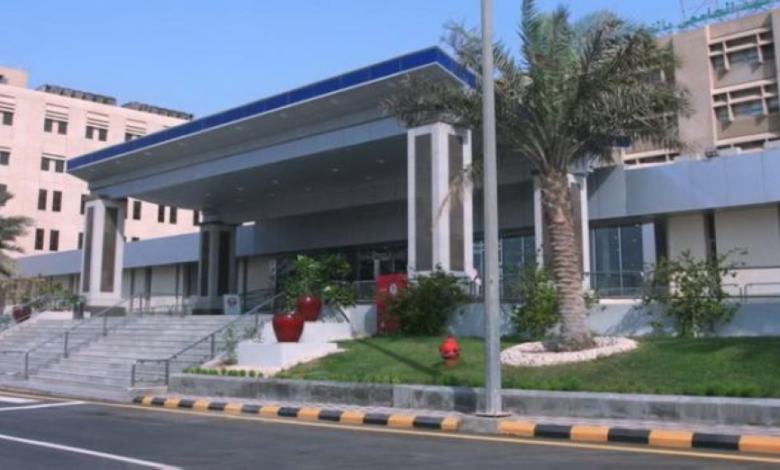

In a significant medical step aimed at enhancing healthcare services in the Eastern Province, King Fahd University Hospital in Al-Khobar, affiliated with Imam Abdulrahman bin Faisal University, announced the opening of a specialized clinic for the treatment of kidney and urinary tract stones. This initiative comes in response to the growing need for precise and comprehensive medical care for patients suffering from recurrent stone formation, with a focus on treating the underlying metabolic disorders that cause them.
Medical context and regional significance
This clinic is of particular importance given the geographical location of Saudi Arabia, which lies within the so-called "Stone Belt." The region experiences higher rates of kidney stones than the global average due to climatic factors such as high temperatures, as well as genetic factors and dietary patterns. Therefore, opening a specialized clinic that combines preventative and therapeutic approaches is crucial to curbing the spread of this disease and reducing its recurrence rate among those affected.
An integrated model in healthcare
The new clinic is distinguished by its adoption of an integrated medical model that combines various subspecialties, managed through collaboration between the Department of Internal Medicine and the Department of Urology. This model is overseen by Professor Abdullah Al-Huwaish, Professor of Nephrology, and Dr. Hatem Al-Dhibyani, Consultant in Kidney Stone Surgery, Endoscopy, and Robotic Surgery. This collaboration aims to integrate expertise to provide a comprehensive treatment plan that goes beyond simply removing the stone, extending to investigating the physiological and chemical causes of its formation.
Treatment and prevention strategy
The clinic's work methodology is based on several key pillars:
- Accurate diagnosis: Performing advanced metabolic tests to determine the type of salts and minerals causing the stones.
- Sustainable prevention: Developing personalized nutritional and drug programs for each patient to prevent recurrence of the infection.
- Protecting kidney function: Working to reduce repeated surgical interventions that may negatively affect kidney tissue and function in the long term.
Enhancing quality of life and spending efficiency
Dr. Abdullah bin Abdul Salam Yousef, Executive Director of King Fahd University Hospital in Al-Khobar, affirmed that this initiative aligns with modern healthcare trends that focus on "value medicine" and enhancing the patient experience. He pointed out that the shift from traditional kidney stone treatment to holistic treatment directly contributes to reducing long-term treatment costs, shortening hospital stays, and minimizing health complications, which positively impacts patients' quality of life and productivity.
For his part, Dr. Hatem Al-Dhibyani explained that the clinic represents a qualitative shift from the concept of "treating the stone" to "treating the patient," stressing that the partnership between kidney doctors and urologists ensures the most appropriate medical decisions are made, balancing surgical intervention when necessary with permanent preventive solutions, thus enhancing the hospital's position as a leading academic and treatment center that applies the highest international quality standards.