
Dangerous escalation: Basij intelligence official killed
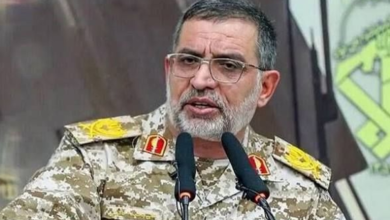
Iranian media, in a breaking news report carried by Al Arabiya, announced the death of General Ismail Ahmadi, the head of intelligence for Iran's Basij militia. This pivotal event comes amid an unprecedented military escalation in the Middle East, where tensions and direct confrontations are intensifying between Tehran on one side, and the United States and Israel on the other. The targeting of such a high-ranking security figure within Iranian territory represents a radical shift in the course of the ongoing conflict.
Who is Ismail Ahmadi and what is the strategic importance of the Basij forces?
The Basij, or Popular Mobilization Forces, is one of the most important security and military arms of the Iranian Revolutionary Guard Corps (IRGC). These forces play a pivotal role in maintaining internal security, suppressing dissent, and gathering precise intelligence at the provincial level. The assassination of a high-ranking figure like General Esmail Ahmadi, who oversaw the sensitive intelligence operations within these forces, represents a significant blow to the Iranian security apparatus and reflects a clear intelligence and military breach at the highest levels of the leadership in Tehran.
Double blow: Iranian Revolutionary Guard spokesman killed
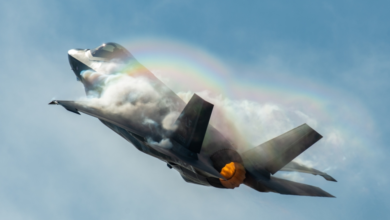
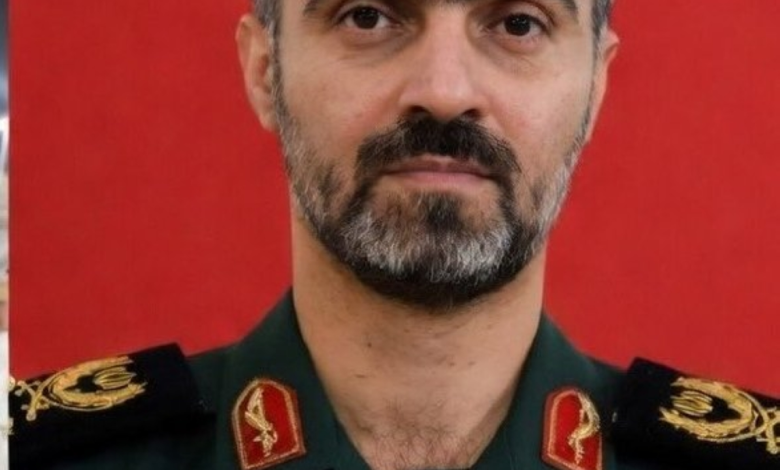
The significant Iranian losses were not limited to General Ahmadi. On Friday, the Iranian Revolutionary Guard officially announced the death of its spokesman, Brigadier General Ali Mohammad Naeini, in a joint US-Israeli airstrike. The loss of the spokesman represents a direct attack on the Revolutionary Guard's media and political front, deepening the crisis facing the military leadership in Tehran in managing the media narrative and shaping domestic public opinion during times of crisis.
Violent raids on Lorestan and an unprecedented bloodshed
In a related development concerning the military escalation, an Iranian security official revealed horrific details of the US-Israeli airstrikes targeting Lorestan province in western Iran. These intense attacks resulted in the deaths of 80 Iranian soldiers and 64 civilians. Lorestan province is strategically located in a mountainous region and contains numerous vital and concealed military installations. This direct targeting of the Iranian heartland, and the resulting high number of military and civilian casualties, signals a dangerous shift in the rules of engagement that have prevailed for years.
Regional and international repercussions of direct strikes
The shift from a shadow war and reliance on proxies in the Middle East to direct and intensive military strikes inside Iranian territory places the entire region on the brink of a full-blown regional war. Domestically, these strikes pose an existential challenge to the Iranian regime in terms of how to respond and restore deterrence. Regionally and internationally, the targeting of prominent figures like Ismail Ahmadi and Ali Mohammad Naeini, and the bombing of Lorestan, send a firm message from Washington and Tel Aviv, but also opens the door to escalation scenarios that could severely impact global maritime security and energy supplies, necessitating cautious international monitoring of developments in the coming days.