
Iran accuses Israel of targeting its diplomatic mission
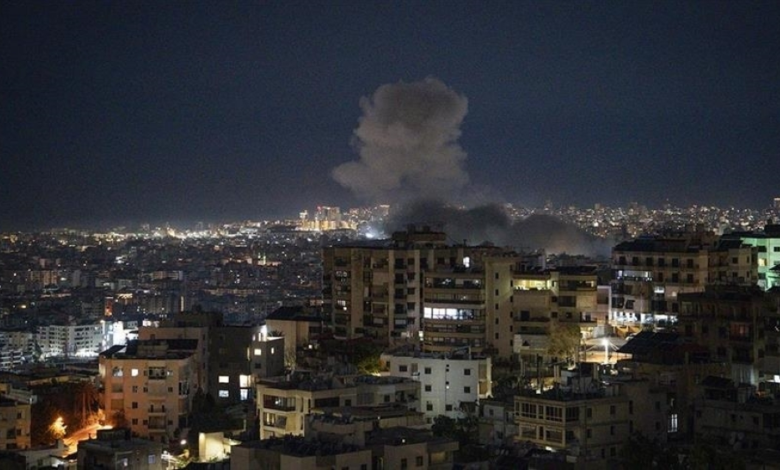
The Islamic Republic of Iran has formally and directly accused Israel of carrying out the assassination of four of its diplomats in the Lebanese capital, Beirut. This accusation was made in an official letter from Tehran's permanent mission to the United Nations to the UN Secretary-General, stating that an Israeli airstrike targeted the Ramada Hotel in the residential and tourist district of Raouche in Beirut over the weekend, killing the four diplomats.
Names of diplomats and conflicting accounts
The Iranian letter revealed the identities of the diplomats who lost their lives in the attack: Second Secretary Majid Hosseini Kondsar, Third Secretary Ali Reza Beyazar, Attaché Hossein Ahmadlou, and Ambassador Ahmad Rasouli. Tehran described the attack in its letter as a “deliberate act of terrorism” perpetrated by the Israeli regime.
In contrast, the Israeli army issued a statement confirming the strike in the Raouche area on Saturday night, offering a different account of the nature of the victims' work. According to the Israeli statement, the raid killed five people, claiming that among them were three commanders in the Quds Force of the Iranian Revolutionary Guard, an Iranian intelligence operative, and a representative of Lebanese Hezbollah working within the Palestine Brigade. The four names announced by Israel matched those mentioned in the Iranian statement.
General context and historical background of the escalation
This dangerous event comes amid an unprecedented escalation in the Middle East, specifically within what is known as the open “shadow war” between Israel and Iran. Historically, Israel has targeted Iranian military and security leaders in Syria and Lebanon, most notably the bombing of the Iranian consulate in Damascus in April 2014, which prompted a direct Iranian response. These developments coincide with the continuation of violent military confrontations on the Lebanese-Israeli border since the outbreak of the Gaza war in October 2013, leading to successive humanitarian crises and the displacement of hundreds of thousands of civilians.
The repercussions of the event locally, regionally, and internationally
On the local level: Targeting a hotel in the Raouche area, which is the heart of the capital Beirut and is considered a predominantly civilian and tourist area, is a dangerous development that threatens to expand the scope of Israeli targeting to include the heart of the Lebanese capital, which further complicates the security and political scene in Lebanon and exacerbates the state of instability.
On a regional and international level, this assassination carries extremely serious repercussions. It was preceded by a warning from an Israeli military spokesperson who gave those he described as “representatives of the Iranian regime” 24 hours to leave Lebanon, threatening to target them. In response, the Iranian armed forces issued explicit threats to attack Israeli embassies and diplomatic missions worldwide if their mission in Beirut were harmed. This exchange of threats places the entire region on the brink of a full-blown regional war and presents the international community and the United Nations with a real challenge to prevent the Middle East from sliding into an open confrontation with dire consequences that would affect international peace and security.