
مقتل قائد الحرس الثوري الإيراني في طهران
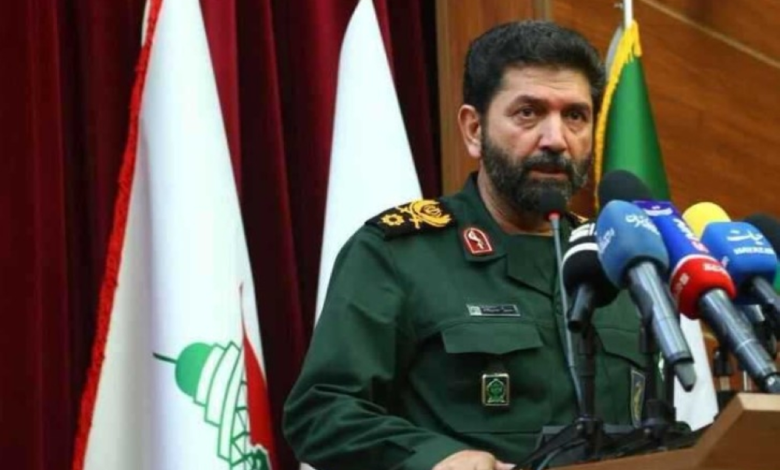
أعلنت وسائل الإعلام الإيرانية في نبأ عاجل نقلته قناة ‘العربية’ عن مقتل قائد الحرس الثوري الإيراني، حسن حسن زاده، في منطقة طهران الكبرى. يمثل هذا الحدث تطوراً أمنياً بالغ الأهمية في الداخل الإيراني، نظراً للدور الحساس الذي يلعبه الحرس الثوري في الحفاظ على النظام الداخلي وتنفيذ السياسات العليا للبلاد. وتعتبر طهران الكبرى المركز السياسي والأمني الأهم في إيران، مما يجعل وقوع حادث من هذا النوع فيها مؤشراً على اختراقات أمنية محتملة أو تصاعد في التوترات الداخلية التي تشهدها البلاد.
تقارير أمريكية: البنتاغون يستعد لعمليات برية محدودة
وفي سياق متصل بالتصعيد المستمر تجاه طهران، كشفت صحيفة ‘واشنطن بوست’ الأمريكية في تقرير نشرته نقلاً عن مسؤولين أمريكيين، أن وزارة الدفاع الأمريكية (البنتاغون) تجري استعدادات مكثفة لشن عمليات برية داخل الأراضي الإيرانية. وأوضحت المصادر أن هذه العمليات المخطط لها قد تمتد لعدة أسابيع، وتأتي ضمن استراتيجية أوسع تسعى من خلالها الولايات المتحدة الأمريكية إلى تعزيز تواجدها العسكري ونفوذها في منطقة الشرق الأوسط، لمواجهة التهديدات المتزايدة.
طبيعة العمليات العسكرية المحتملة
وأكد المسؤولون الأمريكيون، الذين فضلوا عدم الكشف عن هوياتهم لحساسية المعلومات، أن هذه الخطط العسكرية لن ترقى إلى مستوى غزو بري شامل وواسع النطاق لإيران، بل ستقتصر على غارات تكتيكية دقيقة ومحددة الأهداف داخل الأراضي الإيرانية. ومن المتوقع أن تنفذ هذه الغارات قوات العمليات الخاصة الأمريكية مدعومة بوحدات من قوات المشاة. ومع ذلك، أشارت الصحيفة إلى أن الرؤية لم تتضح بعد بشأن ما إذا كان الرئيس الأمريكي دونالد ترامب سيوافق على هذه الخطط العسكرية بالكامل، أو سيصادق على أجزاء منها، أو قد يرفضها تماماً لتجنب الانجرار إلى حرب إقليمية مفتوحة.
السياق التاريخي لسياسة الضغوط القصوى
تاريخياً، شهدت فترة إدارة الرئيس دونالد ترامب توتراً غير مسبوق بين واشنطن وطهران، عُرف بسياسة ‘الضغوط القصوى’. بدأت هذه المرحلة بانسحاب الولايات المتحدة من الاتفاق النووي الإيراني في عام 2018، وتلاها فرض عقوبات اقتصادية قاسية استهدفت قطاعات النفط والمصارف الإيرانية. كما شملت هذه السياسة إدراج الحرس الثوري الإيراني على قائمة المنظمات الإرهابية الأجنبية، في خطوة استهدفت شل قدراته المالية والعملياتية، مما يجعل التقارير الحالية عن عمليات برية محدودة امتداداً منطقياً لهذا التصعيد.
التداعيات الإقليمية والدولية المتوقعة
على الصعيد الإقليمي والدولي، يحمل مقتل قيادات بارزة في الحرس الثوري، بالتزامن مع التلويح بعمليات عسكرية أمريكية، تداعيات خطيرة. إقليمياً، قد يدفع هذا التصعيد إيران إلى تحريك شبكة حلفائها ووكلائها في المنطقة لشن هجمات انتقامية ضد المصالح الأمريكية. دولياً، تثير هذه التطورات قلقاً بالغاً في أسواق الطاقة العالمية، حيث يمر جزء كبير من إمدادات النفط العالمية عبر مضيق هرمز، وأي تصعيد عسكري مباشر قد يؤدي إلى اضطرابات حادة في سلاسل التوريد وارتفاع كبير في أسعار النفط.