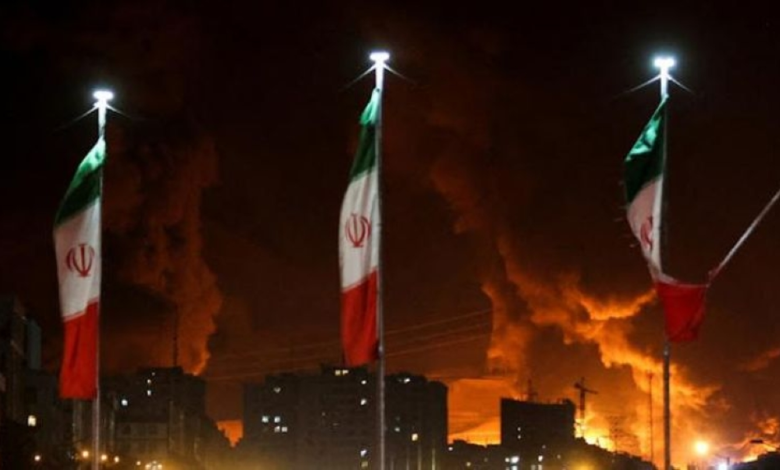
In a dramatic development that threatens to alter the rules of engagement in the Middle East, a member of Tehran's city council announced on Saturday the killing of the son-in-law of Iran's Supreme Leader Ali Khamenei, along with his daughter-in-law, in joint airstrikes carried out by US and Israeli forces. According to Reuters, this direct targeting of the inner circle of the Supreme Leader represents a dangerous precedent in the ongoing conflict.
Heavy toll from airstrikes
The Iranian Red Crescent Society revealed in an official statement issued Saturday evening the enormous human and material losses caused by these attacks. The Society explained that the death toll from the intense strikes had reached 201, while the number of wounded had reached 747, with varying degrees of severity, according to the ISNA news agency. This is the first official tally for all the operations launched since the early morning hours, indicating the ferocity and intensity of the attack.
Wide geographical scope and comprehensive targeting
The strikes were not limited to the capital or specific targets, but extended across a wide geographical area of Iranian territory. Official reports indicated that 24 out of Iran's 31 provinces were bombed, meaning that more than two-thirds of the country was under attack. The agency confirmed in its statement that all targeted provinces were placed on high alert to deal with the repercussions of this unprecedented attack.
Regional context and history of the conflict
This event comes against the backdrop of a long history of escalating tensions between Tehran on one side, and Washington and Tel Aviv on the other. The conflict has long been characterized by covert warfare, or what is known as a "shadow war," with previous confrontations centered on cyberattacks, the targeting of nuclear scientists, or skirmishes waged through proxies in the region. However, the shift to a direct, joint airstrike of this scale, targeting members of the Supreme Leader's immediate family, represents a strategic shift that crosses all established diplomatic and military red lines.
Expected repercussions locally and internationally
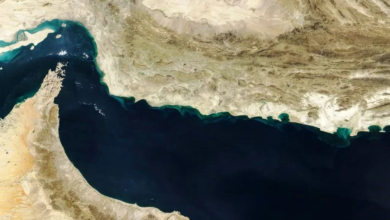
This event is expected to cast a dark shadow over the stability of the entire region. Domestically, this attack will likely unify the Iranian home front and intensify public and official anger. Regionally and internationally, targeting figures of such political and symbolic weight could provoke harsh retaliatory measures from Tehran, opening up a range of scenarios that could include threatening navigation in the Strait of Hormuz or targeting American and Israeli interests in the region, thus increasing the risk of a full-blown military confrontation that could prove difficult to contain.