
في تطور لافت يعيد تشكيل المشهد السياسي في شبه الجزيرة الكورية، كشفت تقارير استخباراتية حديثة عن خطوات متسارعة يتخذها الزعيم الكوري الشمالي كيم جونغ أون لتمهيد الطريق أمام ابنته، كيم جو آي، لتكون الوريثة المحتملة للسلطة في الدولة الأكثر انغلاقاً في العالم. هذه التحركات لم تعد مجرد تكهنات، بل باتت مدعومة بتقديرات رسمية صادرة عن جهاز الاستخبارات الوطني في كوريا الجنوبية، مما يطرح تساؤلات عميقة حول مستقبل سلالة "كيم" الحاكمة.
تقديرات استخباراتية: التدريب بدأ بالفعل
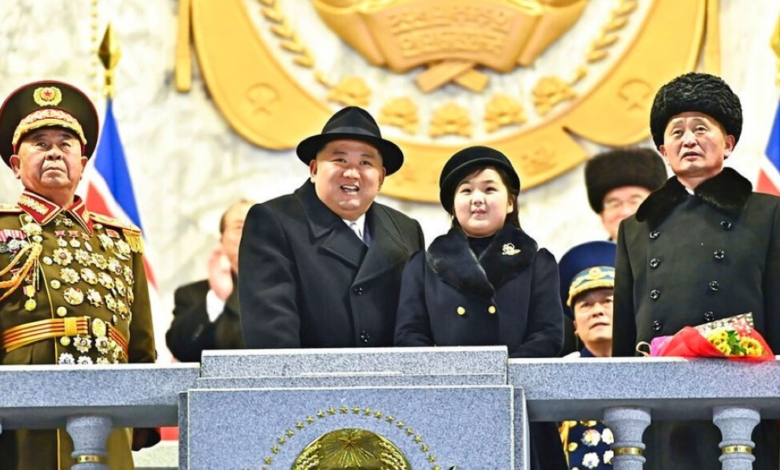
أفاد النائب الكوري الجنوبي لي سونغ كويون، نقلاً عن تقرير لجهاز الاستخبارات الوطني، بأن بيونغ يانغ تعمل بجدية على تحضير كيم جو آي لخلافة والدها. وأشار التقرير الذي صدر قبيل تجمع سياسي حاسم للحزب الحاكم، إلى أن الزعيم كيم يصطحب ابنته بشكل متزايد في المناسبات الرسمية والعسكرية الحساسة، ليس بصفتها ابنته فحسب، بل كشخصية سياسية صاعدة. ويقدر الجهاز الاستخباراتي أن الفتاة المراهقة تسير بثبات على الطريق لتصبح الخليفة الرابعة في تاريخ العائلة، حيث يتم مراقبة تحركاتها وبروتوكولات ظهورها بدقة متناهية.
سلالة جبل بايكتو: السياق التاريخي للحكم
لفهم أهمية هذا الحدث، يجب النظر إلى الخلفية التاريخية لنظام الحكم في كوريا الشمالية. منذ تأسيس الدولة عام 1948 على يد الجد المؤسس كيم إيل سونغ، استندت الشرعية السياسية إلى ما يُعرف بـ "سلالة جبل بايكتو"، وهي السلالة التي يُزعم أنها تمتلك الحق الإلهي والتاريخي في القيادة. انتقلت السلطة من المؤسس إلى ابنه كيم جونغ إيل، ثم إلى الحفيد الحالي كيم جونغ أون. ويُعد اختيار وريث من الجيل الرابع استمراراً لهذه العقيدة السياسية الصارمة التي تضمن ولاء النخبة والجيش للعائلة الحاكمة، مما يجعل اختيار "كيم جو آي" حدثاً مفصلياً في تاريخ البلاد.
من "الطفلة المحبوبة" إلى "المرشدة العظيمة"
لم يكن ظهور كيم جو آي عابراً؛ فقد بدأت وسائل الإعلام الرسمية في كوريا الشمالية بتغيير لغتها تدريجياً عند الإشارة إليها. فبعد أن كانت تُوصف بـ "الطفلة المحبوبة" عند ظهورها الأول في عام 2022 خلال إطلاق صاروخ باليستي عابر للقارات، بدأت الألقاب تتخذ طابعاً أكثر تفخيماً وسلطوية، مثل "المرشدة العظيمة" (Hyangdo)، وهو مصطلح كان يُخصص سابقاً لكبار القادة فقط. رافقت والدها في زيارات عالية المستوى، مثل زيارة قصر الشمس "كومسوسان" حيث يرقد جثمانا جدها ووالد جدها، مما يحمل دلالات رمزية قوية حول شرعيتها كوريثة للدم الملكي الثوري.
التأثيرات الإقليمية والدولية المتوقعة
إن صعود كيم جو آي المحتمل يحمل في طياته رسائل سياسية وعسكرية بالغة الأهمية للمجتمع الدولي. محلياً، قد يشير هذا الإعداد المبكر إلى رغبة كيم جونغ أون في تأمين استقرار النظام على المدى الطويل وقطع الطريق أمام أي صراعات داخلية محتملة على السلطة. إقليمياً ودولياً، يعني هذا استمرار النهج العسكري والنووي لكوريا الشمالية، حيث ارتبط ظهور الفتاة دائماً بالترسانة العسكرية، من الصواريخ الباليستية إلى العروض العسكرية الضخمة. هذا الارتباط يبعث برسالة واضحة إلى واشنطن وسيول وطوكيو بأن الجيل القادم من قادة كوريا الشمالية سيحافظ على القدرات النووية كضمانة لبقاء النظام.
وتترقب الأوساط السياسية المؤتمر القادم للحزب الحاكم في بيونغ يانغ، حيث يتوقع المحللون أن يتم منح كيم جو آي منصباً رسمياً أو لقباً حزبياً يعزز مكانتها، وربما يمهد لتعيينها في منصب "الأمين الأول" للحزب، مما يجعلها الرجل الثاني فعلياً في الدولة.