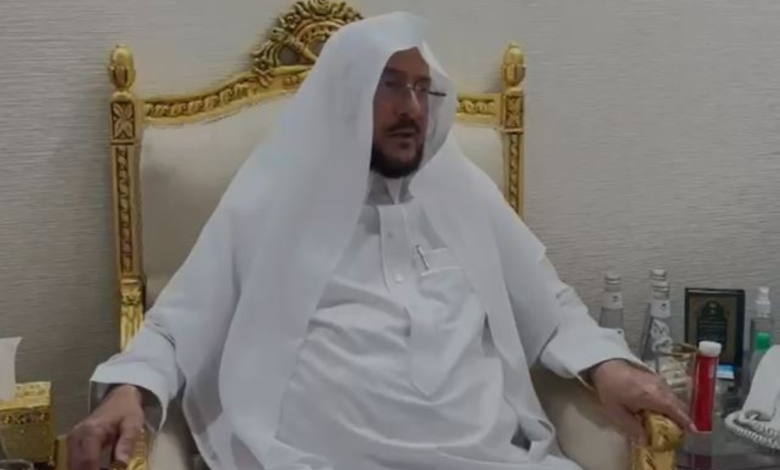

أكد معالي وزير الشؤون الإسلامية والدعوة والإرشاد، الدكتور عبد اللطيف آل الشيخ، على أهمية الدعاء للملك المؤسس عبد العزيز بن عبد الرحمن آل سعود، الذي أرسى دعائم الوحدة الوطنية وجعل من خدمة حجاج بيت الله الحرام شرفًا تتسابق إليه قطاعات الدولة وأبناء الشعب كافة. جاء ذلك خلال استقباله في مكتبه بمشعر منى، رؤساء اللجان والمسؤولين بالوزارة المشاركين في خدمة الحجاج، لتهنئتهم بعيد الأضحى المبارك.
وقال آل الشيخ: “يجب ألا ننسى في هذا اليوم المبارك الدعاء لموحد هذه البلاد الملك عبد العزيز – طيب الله ثراه – الذي نشر التوحيد والعدل بين الناس”. وأضاف: “نجد اليوم أبناء هذه البلاد من الجنوب للشمال ومن الشرق للغرب كلهم يدًا واحدة لخدمة حجاج بيت الله الحرام، وتنفيذ توجيهات ولاة الأمر لهذا العمل الجليل”.
السياق التاريخي: من الفوضى إلى الأمان
تعود هذه الإشارة إلى الدور المحوري الذي لعبه الملك عبد العزيز في تاريخ شبه الجزيرة العربية. فقبل تأسيس المملكة العربية السعودية في عام 1932، كانت المنطقة تعاني من الانقسامات السياسية والصراعات القبلية وغياب الأمن، مما جعل رحلة الحج محفوفة بالمخاطر والتحديات. كانت قوافل الحجاج تتعرض للسلب والنهب، ولم تكن هناك بنية تحتية أو خدمات منظمة لرعايتهم.
ومع توحيد المملكة تحت راية واحدة، وضع الملك عبد العزيز أمن الحجاج وسلامتهم على رأس أولوياته. فعمل على تأمين الطرق، وتوفير الخدمات الأساسية من مياه وغذاء ورعاية صحية، وإنشاء مؤسسات متخصصة لإدارة شؤون الحج. هذا التحول الجذري جعل من الحج رحلة آمنة وميسرة، وهو الإرث الذي استمر وتطور على أيدي أبنائه الملوك من بعده، وصولًا إلى العهد الزاهر لخادم الحرمين الشريفين الملك سلمان بن عبد العزيز وولي عهده الأمين الأمير محمد بن سلمان.
أهمية خدمة الحجاج للمملكة والعالم الإسلامي
تعتبر خدمة ضيوف الرحمن ركيزة أساسية في سياسة المملكة داخليًا وخارجيًا. على الصعيد المحلي، تعزز هذه الخدمة من اللحمة الوطنية والشعور بالفخر والمسؤولية لدى المواطنين، حيث يتطوع الآلاف ويشارك منسوبو مختلف القطاعات العسكرية والمدنية في تنظيم ورعاية الملايين من الحجاج سنويًا. إنها مهمة وطنية تجسد قيم الكرم والعطاء المتأصلة في الثقافة السعودية.
أما على الصعيدين الإقليمي والدولي، فإن نجاح المملكة في إدارة مواسم الحج المتعاقبة يعزز من مكانتها كقائدة للعالم الإسلامي، ويؤكد على دورها الريادي الذي يتجسد في لقب “خادم الحرمين الشريفين” الذي يحمله ملوكها. إن القدرة على استضافة وإدارة هذا التجمع البشري الهائل بكفاءة وسلامة، تبعث برسالة قوية عن قدرات المملكة التنظيمية واللوجستية، وتكسبها احترام وتقدير المسلمين في جميع أنحاء العالم.