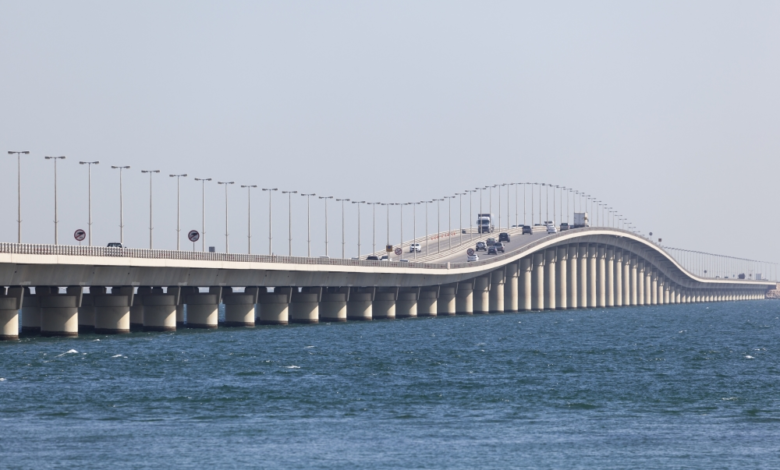

يبدأ غداً تطبيق رسوم العبور المحدثة للمركبات والشاحنات عبر جسر الملك فهد، الرابط الحيوي بين المملكة العربية السعودية ومملكة البحرين، وذلك وفقاً لما أعلنته الجهات المعنية في إطار الخطط التنظيمية المستمرة لرفع كفاءة التشغيل وتحسين الخدمات المقدمة للمسافرين ومستخدمي الجسر.
ويأتي هذا الإجراء ضمن استراتيجية المؤسسة العامة لجسر الملك فهد الهادفة إلى تطوير البنية التحتية للمنفذ، وضمان استدامة أعمال الصيانة والتشغيل وفق أعلى المعايير العالمية. وتعتبر هذه التحديثات جزءاً لا يتجزأ من الجهود المبذولة لتسهيل حركة التدفق المروري، خاصة في أوقات الذروة والمواسم التي تشهد كثافة عالية في حركة العبور بين البلدين الشقيقين، حيث تسعى المؤسسة باستمرار إلى توظيف العوائد في مشاريع توسعة المسارات وتحديث الأنظمة التقنية للبوابات.
خلفية تاريخية وشريان حيوي
يعد جسر الملك فهد، الذي افتتح رسمياً في نوفمبر عام 1986م، أحد أهم المنجزات الحضارية في المنطقة، حيث يجسد عمق العلاقات الأخوية والروابط التاريخية بين السعودية والبحرين. يبلغ طول الجسر حوالي 25 كيلومتراً، وقد ساهم منذ إنشائه في إحداث نقلة نوعية في حركة التنقل البري، منهياً عقوداً من الاعتماد الكلي على الرحلات البحرية والجوية، ليصبح بذلك الشريان الرئيسي الذي يغذّي التواصل الاجتماعي والاقتصادي بين دول مجلس التعاون الخليجي.
الأهمية الاقتصادية والسياحية
لا تقتصر أهمية جسر الملك فهد على كونه ممراً للعبور فحسب، بل يمثل ركيزة أساسية في الاقتصادين السعودي والبحريني. تشير الإحصاءات الرسمية على مر السنوات إلى عبور ملايين المسافرين سنوياً، بالإضافة إلى آلاف الشاحنات المحملة بالبضائع، مما يعزز التبادل التجاري وينشط الحركة السياحية، لا سيما في قطاع التجزئة والترفيه في البحرين والمنطقة الشرقية بالسعودية. وتلعب رسوم العبور دوراً محورياً في تمويل العمليات التشغيلية المعقدة التي تضمن سلامة وأمان هذا الصرح العملاق وسط البيئة البحرية القاسية.
التطوير المستمر والمستقبل
في السنوات الأخيرة، شهد الجسر قفزات نوعية في التحول الرقمي، من خلال تفعيل بوابات الدفع الآلي وتقنيات التعرف على المركبات لتقليص زمن الانتظار. ويأتي تحديث الرسوم ليتواكب مع المتطلبات المتزايدة للصيانة الدورية ولضمان استمرار تقديم خدمات لوجستية متكاملة تليق بمكانة هذا المنفذ الدولي، مما يؤكد التزام الجهات المسؤولة بتقديم تجربة سفر سلسة وآمنة لجميع العابرين.