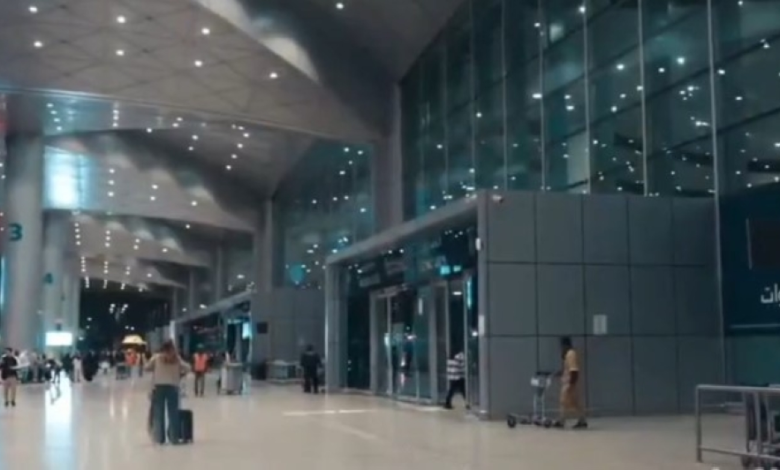

أعلنت إدارة مطار الملك خالد الدولي في العاصمة السعودية الرياض عن إطلاق خطة تطويرية استراتيجية شاملة تستهدف تحديث منظومة النقل والتنقل بين الصالات، في خطوة تهدف إلى إحداث نقلة نوعية في كفاءة التشغيل وتسريع إجراءات السفر، بما يواكب النمو المتسارع في حركة الطيران بالمملكة.
وتأتي هذه الخطوة استجابةً للطلب المتزايد على السفر الجوي، حيث من المقرر أن تنطلق المرحلة الأولى من هذه العمليات التطويرية في الفترة الممتدة ما بين 16 إلى 25 فبراير الجاري. وترتكز الخطة على ثلاثة محاور جوهرية تشمل: رفع الكفاءة التشغيلية للمرافق الحالية، وتيسير رحلة المسافر وجعلها أكثر انسيابية وسرعة، بالإضافة إلى إعادة هندسة إجراءات التنقل (الترانزيت) بين الرحلات الداخلية والدولية لضمان مرونة الحركة.
أبعاد استراتيجية تواكب رؤية المملكة 2030
لا يمكن النظر إلى هذا الإعلان بمعزل عن السياق العام للتحولات الكبرى التي تشهدها المملكة العربية السعودية. فمشروع تطوير مطار الملك خالد الدولي يصب مباشرة في قلب مستهدفات الاستراتيجية الوطنية للنقل والخدمات اللوجستية، التي أطلقها ولي العهد السعودي، والتي تهدف لترسيخ مكانة المملكة كمركز لوجستي عالمي يربط القارات الثلاث. ويعد قطاع الطيران ركيزة أساسية في هذه الرؤية، حيث تسعى المملكة للوصول إلى 330 مليون مسافر سنوياً بحلول عام 2030، وربط المملكة بأكثر من 250 وجهة دولية.
ويكتسب توقيت هذا التطوير أهمية خاصة مع الاستعدادات الجارية لإطلاق الناقل الوطني الجديد "طيران الرياض"، مما يستدعي بنية تحتية مطارية ذات مواصفات عالمية قادرة على استيعاب الحركة الكثيفة المتوقعة، وتقديم تجربة سفر تضاهي أفضل المطارات العالمية.
أرقام ومستهدفات طموحة للنمو
كشفت إدارة المطار عن الأهداف الرقمية الدقيقة لهذه العملية التطويرية، والتي تعكس حجم الطموح القائم، حيث تشمل التوقعات:
- قفزة في الطاقة الاستيعابية: رفع القدرة الاستيعابية الإجمالية لمناقلات الصالات من 42 مليون مسافر متوقع في عام 2025، لتصل إلى 56 مليون مسافر بنهاية عام 2026.
- نمو قياسي: تحقيق زيادة سنوية في الطاقة التشغيلية تصل نسبتها إلى 33% مقارنة بالعام السابق، مما يعزز من قدرة المطار على التعامل مع مواسم الذروة بكفاءة عالية.
- تقليص الزمن: العمل على تقريب المسافات الفعلية والزمنية بين الصالات، مما يقلل من الجهد والوقت المستغرق في التنقل، وهو عامل حاسم في تقييم جودة المطارات عالمياً.
- دعم سياحة الترانزيت: تسهيل انتقال المسافرين في رحلات المواصلة (الترانزيت) لخدمة نحو 7.5 مليون مسافر سنوياً، مما يعزز موقع الرياض كمحطة توقف رئيسية في المنطقة.
تعزيز التنافسية الإقليمية والدولية
يعد تحسين تجربة المسافر، وتحديداً في جانب سلاسة التنقل وتقليص أوقات الانتظار، معياراً حاسماً في التنافسية بين المطارات الدولية. ومن خلال هذه التحسينات، يسعى مطار الملك خالد الدولي لتقديم نموذج يحتذى به في المنطقة، مما ينعكس إيجاباً على القطاع السياحي والاقتصادي في المملكة، ويدعم جهود جذب الاستثمارات الأجنبية التي تتطلب بنية تحتية لوجستية متطورة وموثوقة.
وأكدت إدارة المطار في ختام إعلانها أن هذه الإجراءات هي جزء من خطة أوسع ومستمرة لتطوير البنية التحتية، لضمان تقديم أرقى الخدمات للمسافرين القادمين والمغادرين وركاب الترانزيت، بما يليق بمكانة العاصمة الرياض كوجهة عالمية صاعدة.