
خادم الحرمين يهنئ بنجاح موسم الحج ويعرب عن سروره بجهود خدمة الحجاج
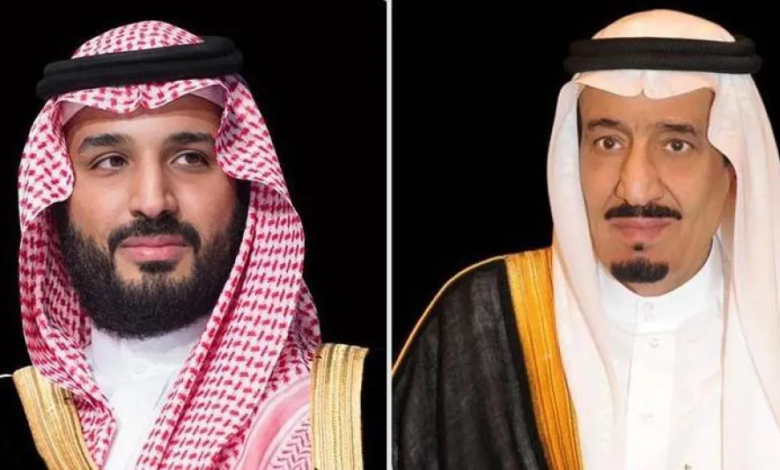
أعرب خادم الحرمين الشريفين الملك سلمان بن عبد العزيز آل سعود عن بالغ سروره وتقديره للجهود الكبيرة والتفاني الذي أظهرته كافة الجهات الحكومية والقطاعات المشاركة في تنظيم موسم الحج لهذا العام. وأكد في رسالة تهنئة بمناسبة عيد الأضحى المبارك ونجاح موسم الحج، أن ما لمسه من حرص وتفانٍ في خدمة الحجاج وتيسير أمورهم هو مصدر فخر واعتزاز للمملكة العربية السعودية قيادةً وشعباً. وتأتي هذه الإشادة تتويجاً لجهود متواصلة استمرت على مدار أشهر لضمان تقديم تجربة حج آمنة وميسرة لملايين المسلمين الذين توافدوا إلى الأراضي المقدسة من كل فج عميق.
مسؤولية تاريخية ورسالة سامية
تتجاوز أهمية تنظيم الحج كونه مجرد حدث سنوي، ليمثل ركناً أساسياً في هوية المملكة ورسالتها التاريخية. فمنذ تأسيس الدولة السعودية، حمل قادتها على عاتقهم شرف خدمة الحرمين الشريفين وقاصديهما، وهو ما يتجلى في لقب “خادم الحرمين الشريفين” الذي يعكس حجم المسؤولية الملقاة على عاتقهم. وعلى مر العقود، استثمرت المملكة موارد هائلة في تطوير البنية التحتية للمشاعر المقدسة، بدءاً من توسعة الحرمين الشريفين، ومروراً بإنشاء جسر الجمرات، وتطوير شبكات الطرق والقطارات، وانتهاءً بتوفير أحدث التقنيات لضمان سلامة وراحة ضيوف الرحمن. هذه الجهود المتراكمة عبر التاريخ هي التي بنت المنظومة المتكاملة التي نراها اليوم، والتي تدار بكفاءة عالية لاستيعاب الأعداد المليونية من الحجاج سنوياً.
تطوير منظومة خدمة الحجاج: رؤية نحو المستقبل
إن نجاح موسم الحج لا يقتصر تأثيره على الصعيد المحلي، بل يمتد ليعزز مكانة المملكة على الساحتين الإقليمية والدولية. فإدارة هذا التجمع البشري الهائل بنجاح تبعث برسالة قوية عن قدرة الدولة وكفاءة أجهزتها، مما يعزز من ثقلها السياسي والديني في العالم الإسلامي. وعلى الصعيد المحلي، يمثل الموسم محركاً اقتصادياً مهماً ومناسبة لإظهار كرم الضيافة السعودي. وتماشياً مع رؤية المملكة 2030، شهدت منظومة خدمة الحجاج نقلات نوعية في السنوات الأخيرة، حيث تم إدخال التقنيات الرقمية بشكل واسع، مثل تطبيقات الحج الذكية وبطاقة “نسك” التي سهلت على الحجاج الكثير من الإجراءات، بدءاً من الحصول على التأشيرة وحتى التنقل بين المشاعر. إن هذا التطوير المستمر يؤكد أن المملكة لا تكتفي بالنجاحات الحالية، بل تتطلع دوماً إلى المستقبل لتقديم تجربة حج أكثر يسراً وروحانية للأجيال القادمة.