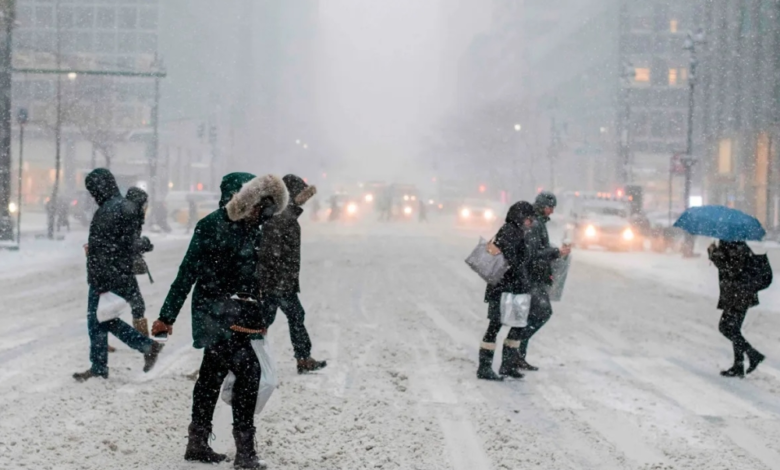

تعيش مدينة نيويورك حالة من الاستنفار القصوى في ظل أزمة مناخية حادة، حيث أعلنت السلطات المحلية رسمياً عن تسجيل 13 حالة وفاة ناتجة بشكل مباشر عن انخفاض حرارة الجسم (Hypothermia)، وذلك في خضم موجة صقيع قاسية تضرب المدينة ومناطق واسعة من الولايات المتحدة الأمريكية منذ شهر يناير الماضي. وتأتي هذه الإحصائيات المقلقة لتسلط الضوء على التحديات الكبيرة التي تواجهها البنية التحتية والخدمات الاجتماعية في واحدة من أكبر مدن العالم أمام التغيرات المناخية المتطرفة.
تصريحات العمدة وتحذيرات من فترة قياسية
وفي مؤتمر صحفي عقد يوم الاثنين، صرح زهران ممداني، رئيس بلدية نيويورك، بأن المدينة قد تكون بصدد تسجيل رقم قياسي مناخي جديد ومقلق. وقال ممداني: "قد تكون نيويورك حالياً في خضم أطول فترة متواصلة تبقى فيها درجات الحرارة دون عتبة التجمد (32 درجة فهرنهايت أو صفر مئوية) في تاريخها المسجل". وأوضح العمدة أن إجمالي الوفيات المرتبطة بهذه الموجة بلغ 16 حالة، حيث أكدت الفحوصات الطبية أن انخفاض حرارة الجسم كان السبب الرئيسي في 13 حالة منها، بينما عُزيت الحالات الثلاث المتبقية إلى جرعات زائدة من المخدرات، والتي غالباً ما تتفاقم مخاطرها في ظل البرد القارس لعدم قدرة الجسم على تنظيم حرارته.
استجابة الطوارئ وإجراءات الإيواء
استجابةً لهذه الأزمة الإنسانية، كثفت المدينة جهودها لحماية الفئات الأكثر ضعفاً، وخاصة المشردين. وأكد ممداني أن أياً من المتوفين لم يكن يبيت في خيمة في الشارع لحظة الوفاة، مشيراً إلى أن بعضهم كان قد تواصل سابقاً مع أجهزة توفير الإيواء، مما يطرح تساؤلات حول فعالية المتابعة المستمرة للحالات الحرجة.
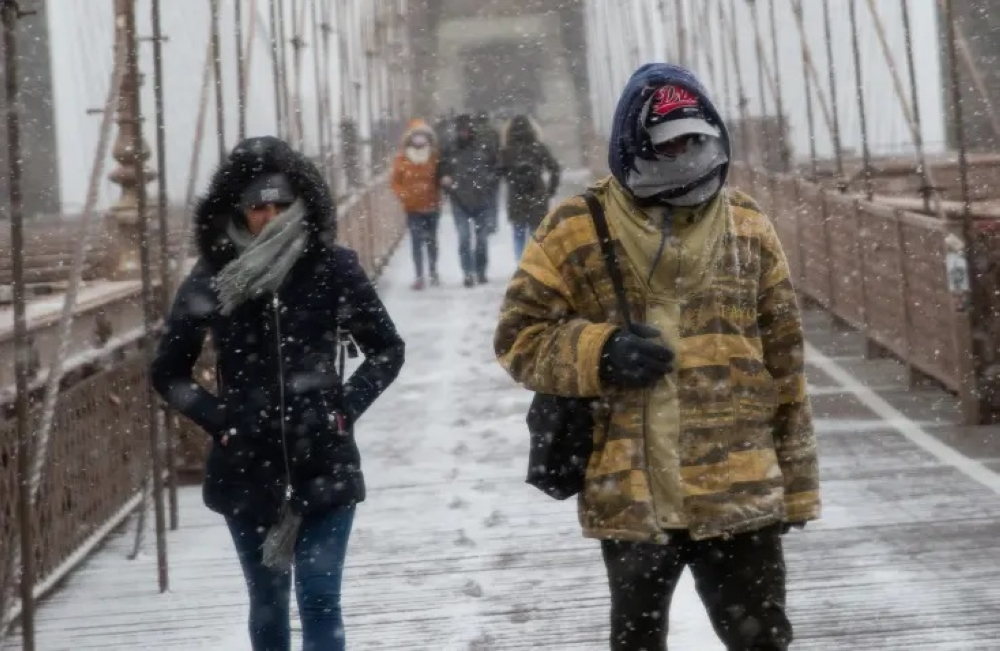
وأعلن مكتب رئيس البلدية عن تفعيل خطة طوارئ شاملة تضمنت:
- إقامة مراكز تدفئة إضافية في مختلف أنحاء المدينة.
- تفعيل أسطول مكون من 20 مركبة مجهزة بطواقم متخصصة في الرعاية الصحية للبحث عن المحتاجين للمساعدة.
- إجراء أكثر من 930 عملية إيواء في ملاجئ وملاذات آمنة حتى صباح الاثنين.
- نقل 18 شخصاً قسرياً ممن تبين أنهم يشكلون خطراً داهماً على أنفسهم أو على الآخرين بسبب الظروف الجوية والحالة العقلية.
سياق تاريخي وتصاعد في أعداد الضحايا
تثير هذه الأرقام قلقاً متزايداً عند مقارنتها بالبيانات التاريخية للمدينة. فوفقاً للإحصاءات الرسمية، تراوحت حصيلة الوفيات المرتبطة بالصقيع في نيويورك بين عامي 2005 و2020 ما بين 9 و27 حالة سنوياً. إلا أن السنوات الأخيرة شهدت قفزة ملحوظة في هذه الأعداد، حيث ارتفع العدد إلى 34 وفاة في عام 2021، ووصل إلى 54 وفاة في عام 2022. يعكس هذا التصاعد خطورة الظواهر الجوية المتطرفة وتأثيرها المباشر على الصحة العامة، مما يستدعي مراجعة شاملة لسياسات الإسكان والرعاية الاجتماعية في مواجهة شتاء نيويورك القارس.
وتعتبر موجات الصقيع الطويلة هذه اختباراً حقيقياً لقدرة المدن الكبرى على الصمود، حيث لا يقتصر تأثيرها على الوفيات المباشرة، بل يمتد ليشمل الضغط على شبكات الطاقة، وتعطل حركة النقل، وزيادة الأعباء على المستشفيات وأقسام الطوارئ.