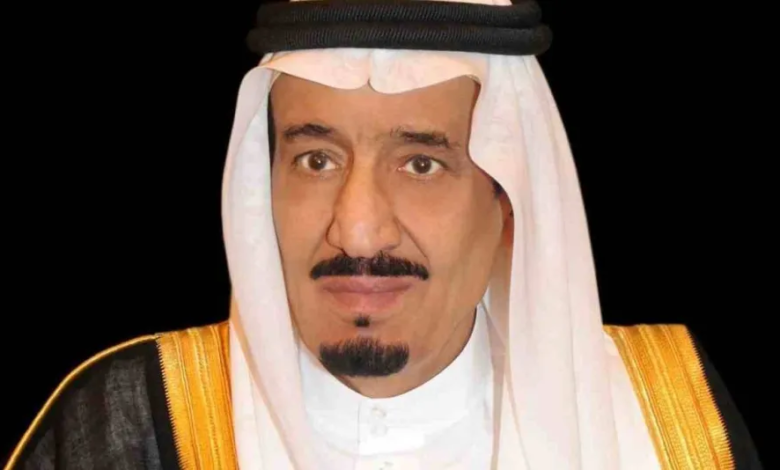
King Salman: Saudi Arabia's efforts are relentless in supporting global peace

Introduction: A firm Saudi commitment to peace
In numerous international and domestic statements and events, the Custodian of the Two Holy Mosques, King Salman bin Abdulaziz Al Saud, has affirmed that the Kingdom of Saudi Arabia has exerted, and continues to exert, tireless efforts to support world peace. These statements reflect the Kingdom's unwavering commitment to promoting regional and international security and stability, a consistent approach adopted by Saudi diplomacy for decades. Saudi Arabia's role in global peace is not merely a diplomatic slogan, but a practical reality demonstrated by the many initiatives and mediations led by Riyadh to resolve conflicts and alleviate tensions across various continents.
General context and historical background of Saudi peace efforts
Since its founding by King Abdulaziz Al Saud – may God have mercy on him – the Kingdom of Saudi Arabia’s foreign policy has been based on clear principles calling for good neighborliness, non-interference in the internal affairs of states, and the peaceful resolution of disputes. As a founding member of the United Nations, the League of Arab States, and the Organization of Islamic Cooperation, Saudi Arabia has always been keen to be a voice of reason and wisdom. Throughout history, the Kingdom has led major historical initiatives, most notably the Taif Agreement, which ended the Lebanese Civil War, and the 2002 Arab Peace Initiative launched by King Abdullah bin Abdulaziz to resolve the Palestinian-Israeli conflict, which remains the most important and reliable framework for achieving a comprehensive and just peace in the Middle East.
The Kingdom's role in resolving contemporary regional and international conflicts
Under the reign of King Salman bin Abdulaziz, and with the continuous follow-up of his Crown Prince, Mohammed bin Salman, Saudi diplomatic efforts have intensified to encompass complex and sensitive issues. The Kingdom sponsored the Riyadh Agreement to unify the Yemeni ranks and establish peace in Yemen, and hosted the Jeddah talks to achieve a ceasefire in Sudan and facilitate the delivery of humanitarian aid. Internationally, Saudi Arabia's role in the Russian-Ukrainian crisis was prominent, through hosting meetings of national security advisors and presenting successful initiatives for prisoner exchanges, underscoring that Saudi Arabia's efforts to support peace extend beyond the region to include major global issues.
The importance of the event and its expected impact locally, regionally, and internationally
King Salman’s emphasis on these efforts carries profound strategic implications. Domestically , peace and stability are inextricably linked to achieving the goals of Saudi Vision 2030, which requires a secure and stable regional environment to attract global investment and foster sustainable development. Regionally , Saudi policy contributes to defusing crises, combating terrorism and extremism, and promoting dialogue, positively impacting the peoples of the region who have long suffered the ravages of conflict. Internationally , Saudi Arabia’s active role ensures the stability of global energy markets, protects international shipping lanes, and strengthens global cooperation to address shared challenges, with the King Salman Humanitarian Aid and Relief Center playing a pivotal role in alleviating the suffering of those affected around the world.
conclusion
In conclusion, King Salman bin Abdulaziz’s remarks embody a comprehensive vision that places peace as an indispensable strategic choice. The Kingdom of Saudi Arabia, with its political, economic, and spiritual weight, continues to uphold its responsibilities as a cornerstone of international security and peace. Saudi diplomacy will remain tireless in its efforts to build bridges of communication, promote a culture of tolerance, and support every endeavor aimed at achieving stability and prosperity for all humanity.