The Kremlin denies India has halted purchases of Russian oil, and Moody's issues warnings

The Kremlin confirmed today that it has not received any official notification from India regarding a halt to New Delhi's purchases of Russian oil. This statement directly addresses reports circulating about a new trade agreement between India and the United States. The announcement comes at a time of heightened anticipation and caution in global energy markets, given India's status as one of the world's largest energy consumers.
Economic warnings from Moody's
In a related development, Moody's credit rating agency downplayed the likelihood of an immediate halt to Indian imports of Russian crude. In an analytical report, the agency explained that the trade agreement between Washington and New Delhi, despite its political significance, would not lead to a sudden disruption in energy flows.
The agency explained its view by stating that the Indian economy relies heavily on energy imports to fuel its rapid growth. It said, "India is unlikely to immediately halt all imports of Russian oil; such a drastic step would directly disrupt India's economic growth and trigger a surge in domestic inflation," noting that India has benefited in recent years from price discounts offered by Moscow on its crude.
Economic context and energy security
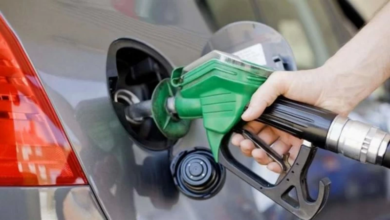
India is the world's third-largest oil importer, relying on imports to meet more than 80% of its oil needs. Since 2022, India has become one of the largest buyers of Russian seaborne crude, taking advantage of competitive prices to bolster its energy security and curb domestic inflation. Experts believe that any sudden shift away from Russian oil without securing alternatives at a comparable cost would place the Indian government under immense economic pressure, leading to higher domestic fuel prices and negatively impacting industrial sectors.
Details of the US agreement and Trump's statements
On the political front, US President Donald Trump announced that the United States and India had reached a new bilateral trade agreement. Trump explained that the agreement includes a reduction in reciprocal tariffs from 25% to 18%, a move aimed at boosting trade between the two countries.
In remarks that sparked widespread controversy, Trump asserted that Indian Prime Minister Narendra Modi had agreed, under this deal, to halt purchases of Russian oil and switch to alternative sources, primarily the United States, with Venezuela potentially being an additional option. These statements have thrown Indian oil companies into uncertainty, with Bloomberg reporting that Indian refineries have sought urgent clarification from the government regarding the future of their contracts with Russia.
Indian Strategic Balance
India currently faces a diplomatic and economic challenge in maintaining a delicate balance between its historical and strategic relationship with Russia and its growing partnership with the United States and the West. While Washington seeks to reduce Moscow's oil revenues, New Delhi is trying to protect its national economic interests and ensure a continued flow of affordable energy for its population of over 1.4 billion.