The Kremlin denies trilateral negotiations with Washington and Kyiv; Zelensky comments

In a significant development in the diplomatic efforts to resolve the Ukrainian crisis, the Kremlin categorically denied any preparations were underway for high-level trilateral talks between Russia, Ukraine, and the United States. This denial came in response to reports and speculation about a US proposal to bring the three parties together, coinciding with diplomatic activity in Miami.
Official Russian position
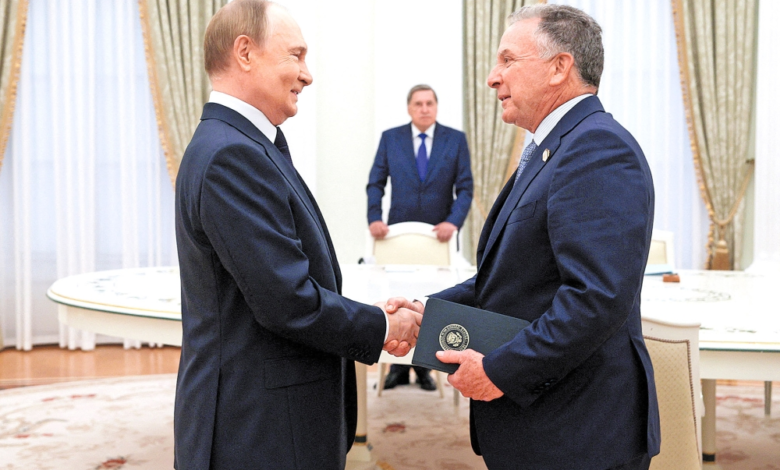
Russian news agencies quoted official statements from Yuri Ushakov, diplomatic advisor to the Russian presidency, putting an end to the speculation. Ushakov stated, "No one has seriously addressed this initiative so far, and to my knowledge, it is not currently being prepared." This statement reflects Russia's coolness toward initiatives that do not meet Moscow's preconditions and underscores the continued significant gap in viewpoints between the Kremlin and the White House regarding mechanisms for resolving the conflict.
Zelensky: Between skepticism and cautious optimism
On the other hand, Ukrainian President Volodymyr Zelensky revealed a proposal from Washington to hold the first direct negotiations in six months between Kyiv and Moscow. As diplomats flocked to Miami for a new round of separate talks, Zelensky adopted a wavering stance, initially telling reporters that he was “not confident this will lead to anything new,” questioning the value of sitting at the same table without real guarantees.
However, the Ukrainian president's tone later shifted toward cautious optimism, noting that "constructive talks" were taking place rapidly between European, American, and Ukrainian negotiators. Nevertheless, Zelensky linked any real progress to Russia's seriousness and genuine desire to end the war, something the Ukrainian side currently perceives as lacking.
General context: Diplomatic stalemate and escalation on the ground
These developments come at a time of significant diplomatic stalemate in the Russian-Ukrainian crisis, particularly regarding direct negotiations. Since the outbreak of war, numerous rounds of talks, whether hosted by Belarus or Turkey in the early stages of the conflict, have stalled. The significance of discussing "trilateral talks" involving Washington lies in the fact that the United States is Kyiv's strongest backer, making its participation pivotal in any potential future settlement.
Analysts point out that the lack of mutual trust is the biggest obstacle to any diplomatic breakthrough. While Kyiv and its allies seek a Russian withdrawal and the restoration of sovereignty, Moscow insists on recognition of the new realities on the ground, leaving virtually no common ground for negotiations at present.
The reality on the ground contradicts the dialogue tables
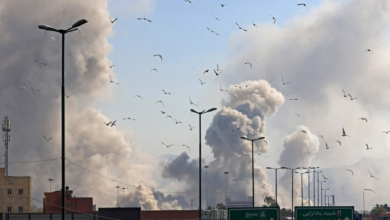
Despite the diplomatic activity in Miami, Zelenskyy asserted via the “X” platform that the situation on the ground sends only negative signals. He explained that Russian forces are continuing their attacks along the front lines, in addition to the ongoing systematic strikes on Ukrainian infrastructure and the perpetration of what he described as “war crimes” in border areas.
This stark contrast between Western diplomatic efforts and Russian military escalation makes it difficult to reach a near-term truce, and makes talk of trilateral summits or comprehensive negotiations unlikely in the near future, unless there is a radical change in the balance of power or political convictions of the two sides of the conflict.