King Salman Center: Cholera control services in Yemen for 2,000 beneficiaries

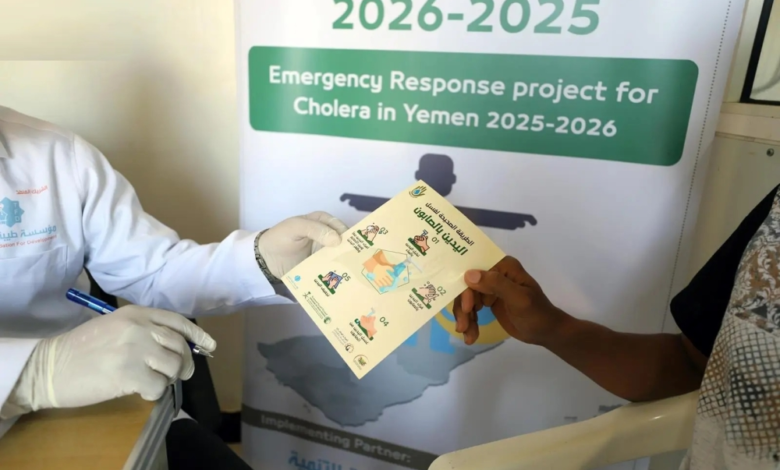
The emergency cholera response project in Yemen, supported by the King Salman Humanitarian Aid and Relief Center, continued to provide vital medical and preventative services, benefiting 2,069 individuals between December 3 and 9. These efforts are part of the Kingdom of Saudi Arabia's ongoing commitment to supporting the Yemeni health sector and containing epidemics that threaten the lives of its citizens.
Details of services and field results
The project's activities included conducting thorough and comprehensive screenings for suspected cholera cases at several key entry points, including Aden and Al-Rayyan airports, as well as the Al-Hafiya and Razih border crossings. These measures covered a wide area encompassing coastal Hadramawt, Hadramawt Valley, Aden, Hajjah, and Sa'dah. Field reports confirmed the success of these proactive measures, as no suspected or confirmed cholera cases were recorded during this period, reflecting the effectiveness of the monitoring and surveillance systems.
In addition to direct medical services, the project paid great attention to the awareness aspect, as 322 educational sessions were provided, benefiting 8,057 individuals, focusing on ways to prevent the disease and the importance of personal hygiene and sterilization.
Context of the health crisis in Yemen
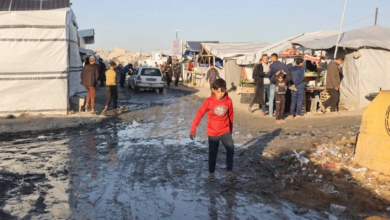
These efforts are doubly important given the historical context of the health situation in Yemen, which has suffered over the past years from a severe deterioration in its sanitation and clean water infrastructure due to the ongoing conflict. Yemen has experienced cholera outbreaks in previous years that were among the largest in the world, making the continuation of epidemiological surveillance programs crucial to preventing a recurrence of such humanitarian tragedies. Cholera is a bacterial disease that is usually spread through contaminated water and requires a rapid response to prevent dehydration, which can be fatal.
Preventive measures and comprehensive logistical support
The project strategically targets the areas most affected and vulnerable to the spread of the pandemic, aiming to reduce infection rates and control potential outbreaks. To achieve this, specialized medical teams have been established to work around the clock to screen and monitor travelers at air and land ports of entry, ensuring that the infection does not spread between regions or across borders.
The project also includes a package of logistical support for health facilities, including supplying them with essential medical supplies for cholera treatment, such as intravenous and oral rehydration solutions, specialized antibiotics, as well as protective equipment and sterilization materials to ensure a safe and healthy environment for both medical staff and patients. Work has also been undertaken to expand the bed capacity in isolation and treatment centers to be ready to accommodate any potential increase in cases.
Humanitarian and regional impact
These initiatives are an extension of the leading role played by the Kingdom of Saudi Arabia, represented by the King Salman Humanitarian Aid and Relief Center, in alleviating the humanitarian suffering of the brotherly Yemeni people. The impact of this project is not limited to the local level; it also contributes to strengthening regional health security by preventing the spread of infectious diseases across borders, thus underscoring the Center's commitment to international health standards in managing epidemic crises.